Joshua 6:12
Joshua got up early in the morning, and the priests carried the ark of the LORD.
What Joshua 6:12 means
Plain-English insight for readers
In this verse, we see Joshua demonstrating leadership and obedience to God's commands. By rising early, he shows his commitment to the task ahead, which is to conquer Jericho. The priests carrying the ark of the LORD signifies the presence of God among His people, emphasizing that they are not acting alone but with divine support. The ark represents God's covenant with Israel, reminding them of His promises and guidance. This moment is crucial as it sets the stage for the miraculous events that will follow in the battle of Jericho. Joshua's actions reflect a disciplined approach to fulfilling God's instructions, highlighting the importance of preparation and faith in achieving victory. The early morning rising can also symbolize a fresh start and readiness to face challenges with God's help. Overall, this verse encapsulates themes of faith, leadership, and divine presence, which are essential for the Israelites as they embark on this significant journey into the Promised Land.
How to apply Joshua 6:12 to your life
We can learn from Joshua's example of rising early and being prepared for the tasks God sets before us. Taking time to seek God in the morning can help us align our day with His will and face challenges with confidence, knowing He is with us.
In the King James Version
And Joshua rose early in the morning, and the priests took up the ark of the LORD.
Ask about this verse
Tap a question to get a clear answer from Scripture.
Example answer · Premium
“Why did the people have to stay completely silent while marching around Jericho?”
In the Clear Bible Translation, Joshua 6:12 reads: "Joshua got up early in the morning, and the priests carried the ark of the LORD." The passage does not explicitly explain why silence was required. However, the context shows that Joshua gave strict orders in verse 6:10: "Don't shout. Don't make a sound. Don't let a single word come out of your mouth until the day I tell you to shout." This silence was part of God's specific instructions for the siege—a test of obedience and faith. The silence continued for six days of marching, and only on the seventh day, after circling seven times, were the people commanded to shout and the walls fell. The silence appears to have been a divinely ordained condition for the miraculous victory, demonstrating that the conquest depended on God's power and the people's obedience, not on human military strength or noise.
From Scripture: Joshua 6:12 · Joshua 6:10 · Joshua 6:15
Have a question about this verse? Explore it with ClearBible.
Premium answers your questions about any verse from Scripture itself, shows the verses it rests on, and opens Clear on every passage. You also get all 66 book summaries.
7 days free, then $99/year. Card required. Cancel anytime.
Learn the Bible through its people and places
Get to know the people in Scripture through illustrated stories, and explore the places where they lived and traveled.

Illustrated scene from Joshua's story: The Walls of Jericho (Joshua 6:1–27)
Meet the people of the Bible
Follow their lives in order, with illustrated scenes and Bible passages that tell their stories.
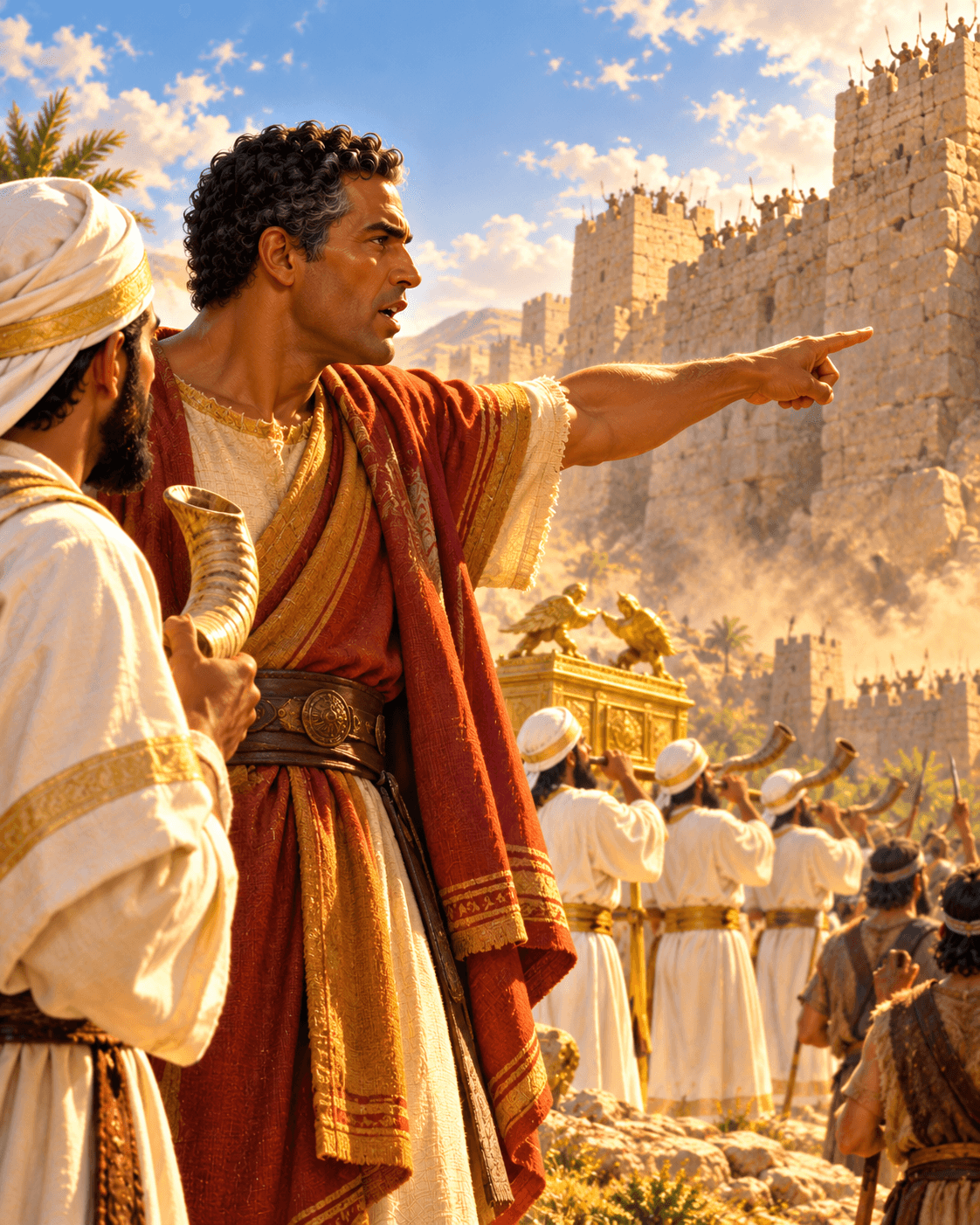 Joshua
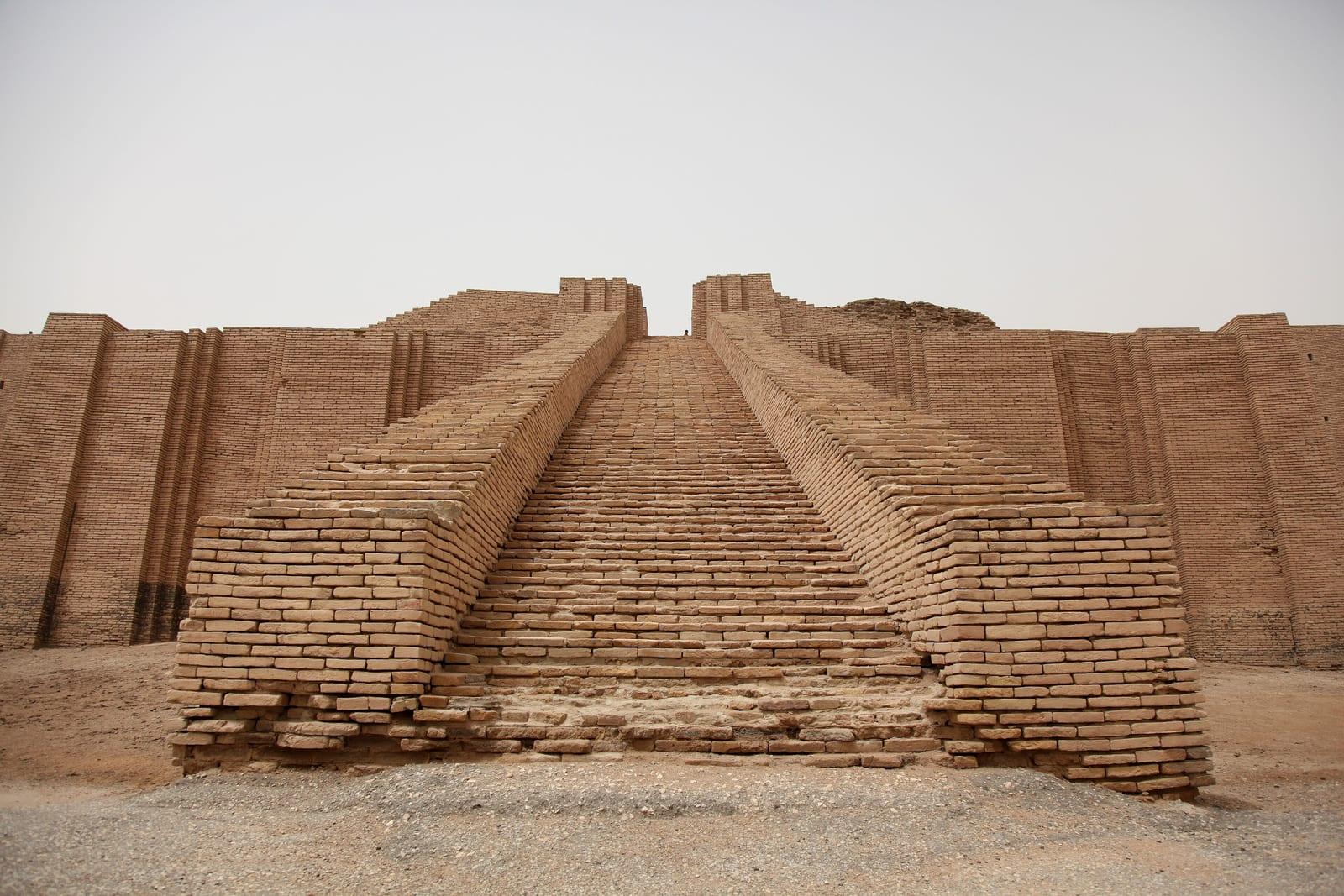
Photo: U.S. Army photo by Spc. Samantha R. Ciaramitaro, via DVIDS and Wikimedia Commons. License: Public domain in the United States — U.S. federal-government work. Source. Location: Great Ziggurat, Ur Archaeological City (Tell el-Mukayyar), Dhi Qar Governorate, Iraq. Resized for the web.
Explore the places of the Bible
See where biblical events happened, why each place matters, and what archaeology helps us understand.
Ur
The city Abram's family left to travel toward Canaan.
Every Bible book, explained chapter by chapter
Explore summaries of every book of the Bible, with images and easy-to-understand explanations covering every chapter.
Keep studying Joshua 6:12
Related Bible verses
Key themes
Related topics
At a Glance — the Book of Joshua
- Author
- Traditionally attributed to Joshua and later compilers
- Written
- Around 1400-1370 BC
- Genre
- Historical narrative
- Original Audience
- The Israelites entering Canaan
Frequently Asked Questions
Quick, clear answers about this verse
What does Joshua 6:12 mean?
Joshua 6:12 shows Joshua's leadership and obedience as he rises early to prepare for the conquest of Jericho. The priests carrying the ark of the LORD symbolizes God's presence and support, emphasizing the importance of divine guidance in their mission.
What is the significance of the ark in Joshua 6:12?
In Joshua 6:12, the ark of the LORD represents God's covenant with Israel and His presence among the people. Its carrying by the priests highlights the importance of relying on God's guidance and support as they face challenges.
What themes are present in Joshua 6:12?
Joshua 6:12 encompasses themes of leadership, obedience, divine presence, preparation, and faith. These themes are crucial as the Israelites prepare to enter the Promised Land and face the challenges ahead.
How can we apply Joshua 6:12 to our lives today?
We can learn from Joshua's example by prioritizing our tasks and seeking God early in the day. This practice can help us align our actions with His will and face daily challenges with confidence, knowing we have His support.
Daily Verse — straight to your inbox
A verse and a 2-sentence plain-English explanation, every morning. Free. Unsubscribe anytime.