Old Testament
Lamentations 1:9
Read the Bible in clear, modern English—easy to understand, faithful to the meaning, and written for everyday readers.
Her filth clung to her skirts, but she never considered where it would lead. So her downfall was staggering, and no one was there to comfort her. "Look, LORD, at my suffering! The enemy gloats over me!"
Compare translations
Her filthiness is in her skirts; she remembereth not her last end; therefore she came down wonderfully: she had no comforter. O LORD, behold my affliction: for the enemy hath magnified himself.
What Lamentations 1:9 means
Plain-English insight for readers
In Lamentations 1:9, the imagery of filth on skirts symbolizes the consequences of sin and moral decay. The verse highlights how the city of Jerusalem, personified as a woman, failed to recognize the gravity of her actions and their eventual consequences. Her downfall was severe, and she found herself alone in her suffering, with no one to provide comfort. The plea to the Lord reflects deep anguish and a sense of abandonment, as the enemy takes advantage of her plight. This verse serves as a poignant reminder of the importance of self-reflection and awareness of our actions, as neglecting to consider their outcomes can lead to devastating consequences. It emphasizes the need for repentance and seeking God's mercy in times of distress.
How to apply Lamentations 1:9 to your life
This verse encourages us to reflect on our actions and their potential consequences. It reminds us to seek God’s guidance and comfort in times of trouble, acknowledging our shortcomings and the need for repentance. Staying aware of our moral choices can help us avoid similar downfalls.
Curated for this public verse page. Lamentations Summary
Explore more of the Bible
Learn the Bible through its people and places
Get to know the people in Scripture through illustrated stories, and explore the places where they lived and traveled.

Illustrated scene from Moses's story: Israel Enslaved in Egypt (Exodus 1:8–22)
Meet the people of the Bible
Follow their lives in order, with illustrated scenes and Bible passages that tell their stories.
 Moses
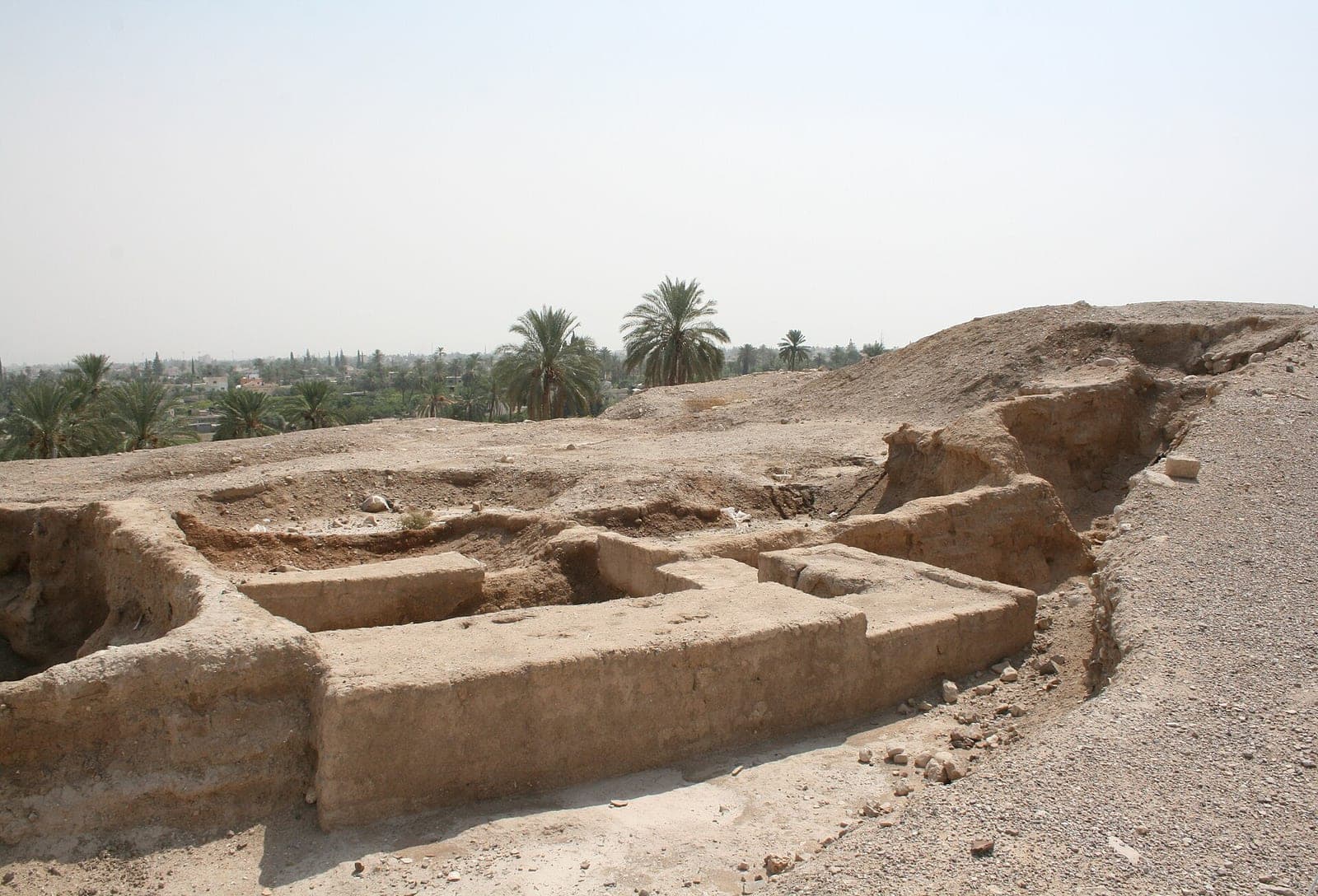
Photo: Diego Delso, via Wikimedia Commons. License: CC BY-SA 3.0. Source. Location: Tell es-Sultan, Jericho, West Bank. Resized for the web.
Explore the places of the Bible
See where biblical events happened, why each place matters, and what archaeology helps us understand.
Jericho
The city of palm trees, whose walls fell in Joshua's day.
Get full access with one subscription
Explore the people and places of the Bible. Read summaries of every book, with images and clear explanations covering every chapter. Access all these features and our Bible study tools with one subscription.
See PlansAsk AI about Lamentations 1:9
Ask a question about this verse and get a clear answer, with Bible references you can read for yourself.
Every Bible book, explained chapter by chapter
Explore summaries of every book of the Bible, with images and easy-to-understand explanations covering every chapter.
Keep studying Lamentations 1:9
Related Bible verses
Key themes
Related topics
At a Glance — the Book of Lamentations
- Author
- Traditionally attributed to Jeremiah
- Written
- Around 586 BC
- Genre
- Poetry and lament
- Original Audience
- Judah after the fall of Jerusalem
Frequently Asked Questions
Quick, clear answers about this verse
What does Lamentations 1:9 mean?
Lamentations 1:9 uses the imagery of filth on skirts to symbolize the consequences of sin and moral decay. It portrays Jerusalem as a woman who failed to recognize the seriousness of her actions, leading to her downfall and isolation in suffering.
What is the significance of 'filth' in Lamentations 1:9?
The 'filth' in Lamentations 1:9 represents the moral failures and sins that have accumulated, highlighting the consequences of neglecting one's actions. It serves as a metaphor for the spiritual and physical decay experienced by Jerusalem.
What does the phrase 'no comforter' mean in Lamentations 1:9?
The phrase 'no comforter' in Lamentations 1:9 indicates the profound loneliness and despair felt by Jerusalem. It emphasizes the absence of support and solace during a time of great suffering and loss.
How does Lamentations 1:9 relate to repentance?
Lamentations 1:9 underscores the need for repentance by illustrating how failing to consider the consequences of one's actions can lead to devastating outcomes. It encourages self-reflection and seeking God's mercy in times of distress.
Daily Verse — straight to your inbox
A verse and a 2-sentence plain-English explanation, every morning. Free. Unsubscribe anytime.