Old Testament
Lamentations 4:8
Read the Bible in clear, modern English—easy to understand, faithful to the meaning, and written for everyday readers.
Now their faces are blacker than soot; no one recognizes them in the streets. Their skin clings to their bones, shriveled and dry as a stick.
Compare translations
Their visage is blacker than a coal; they are not known in the streets: their skin cleaveth to their bones; it is withered, it is become like a stick.
What Lamentations 4:8 means
Plain-English insight for readers
In Lamentations 4:8, the author describes the devastating effects of famine and suffering on the people. Their faces have become so dark and emaciated that they are unrecognizable, highlighting the severity of their condition. The imagery of skin clinging to bones and being as dry as a stick emphasizes extreme malnutrition and despair. This verse paints a vivid picture of the physical and emotional toll that tragedy has taken on the community, illustrating the loss of identity and humanity in the face of overwhelming hardship. The stark contrast between their former vitality and their current state serves as a powerful reminder of the consequences of sin and the need for repentance. It reflects the broader themes of suffering, loss, and the longing for restoration that permeate the book of Lamentations, urging readers to recognize the gravity of their circumstances and the importance of turning back to God for healing and hope.
How to apply Lamentations 4:8 to your life
This verse encourages us to be aware of the suffering around us and to respond with compassion. It reminds us to support those in need and to recognize the impact of hardship on individuals and communities. We should also reflect on our own lives, seeking spiritual nourishment and restoration through faith.
Curated for this public verse page. Lamentations Summary
Explore more of the Bible
Learn the Bible through its people and places
Get to know the people in Scripture through illustrated stories, and explore the places where they lived and traveled.

Illustrated scene from Ruth's story: Three Widows (Ruth 1:1–5)
Meet the people of the Bible
Follow their lives in order, with illustrated scenes and Bible passages that tell their stories.
 Ruth
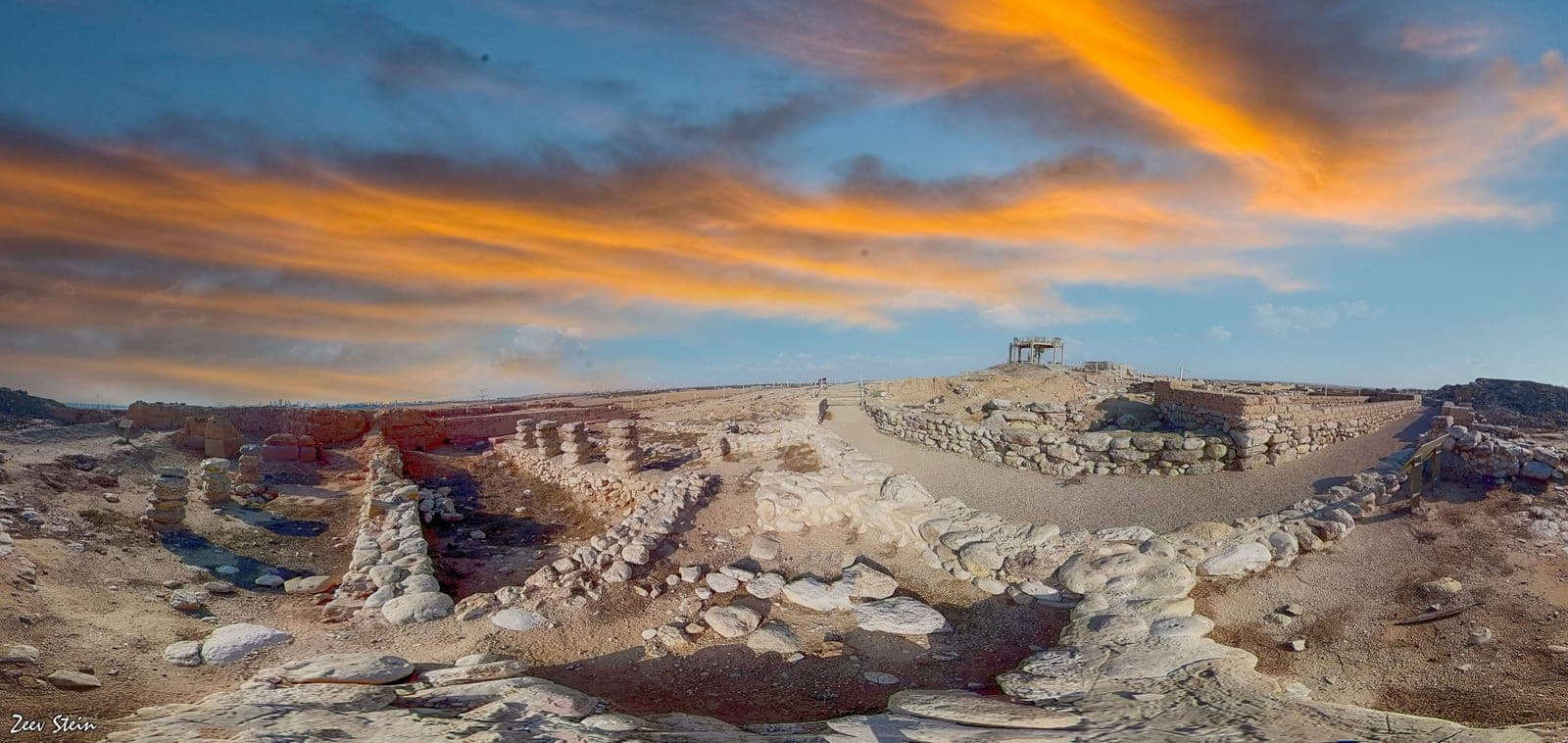
Photo: Zeev Stein / PikiWiki Israel, via Wikimedia Commons. License: CC BY 2.5. Source. Location: Tel Beer Sheva National Park, Israel. Resized for the web.
Explore the places of the Bible
See where biblical events happened, why each place matters, and what archaeology helps us understand.
Beersheba
Where Abraham and Isaac dug wells and worshiped the LORD, at the southern edge of the land.
Get full access with one subscription
Explore the people and places of the Bible. Read summaries of every book, with images and clear explanations covering every chapter. Access all these features and our Bible study tools with one subscription.
See PlansAsk AI about Lamentations 4:8
Ask a question about this verse and get a clear answer, with Bible references you can read for yourself.
Every Bible book, explained chapter by chapter
Explore summaries of every book of the Bible, with images and easy-to-understand explanations covering every chapter.
Keep studying Lamentations 4:8
Related Bible verses
Related topics
At a Glance — the Book of Lamentations
- Author
- Traditionally attributed to Jeremiah
- Written
- Around 586 BC
- Genre
- Poetry and lament
- Original Audience
- Judah after the fall of Jerusalem
Frequently Asked Questions
Quick, clear answers about this verse
What does Lamentations 4:8 mean?
Lamentations 4:8 describes the severe physical and emotional suffering of the people due to famine and hardship. Their faces are so dark and emaciated that they are unrecognizable, illustrating the devastating effects of their circumstances.
What is the significance of 'skin clings to their bones' in Lamentations 4:8?
The phrase 'skin clings to their bones' emphasizes extreme malnutrition and the dire state of the people. It highlights the physical toll of suffering and the loss of vitality, reflecting their desperate situation.
How does Lamentations 4:8 relate to themes of suffering and restoration?
Lamentations 4:8 encapsulates themes of suffering and despair, illustrating the physical and emotional toll of hardship. It also points to the longing for restoration and the importance of turning back to God for healing.
What imagery is used in Lamentations 4:8?
The imagery in Lamentations 4:8 includes faces darker than soot and skin as dry as a stick, vividly depicting the effects of famine and despair. This stark imagery highlights the severity of the people's suffering.
Daily Verse — straight to your inbox
A verse and a 2-sentence plain-English explanation, every morning. Free. Unsubscribe anytime.