Old Testament
Lamentations 5:3
Read the Bible in clear, modern English—easy to understand, faithful to the meaning, and written for everyday readers.
We are orphans without fathers. Our mothers are like widows.
Compare translations
We are orphans and fatherless, our mothers are as widows.
What Lamentations 5:3 means
Plain-English insight for readers
In Lamentations 5:3, the speaker expresses deep sorrow and loss, highlighting the plight of the people who feel abandoned and vulnerable. Being called orphans and fatherless signifies a lack of protection and guidance, while likening mothers to widows emphasizes their helplessness. This verse reflects the emotional and social devastation experienced by the community, illustrating how the destruction of their city has left them without familial support. The imagery of orphans and widows conveys a sense of isolation and despair, as these groups are often seen as the most vulnerable in society. The lamentation serves as a poignant reminder of the consequences of sin and the resulting separation from God, leading to a state of hopelessness. It calls attention to the need for compassion and support for those who are suffering, urging the community to recognize their shared pain and the importance of caring for one another in times of distress.
How to apply Lamentations 5:3 to your life
This verse encourages us to recognize and support those who are vulnerable in our communities. We should strive to be a source of comfort and assistance to those who feel abandoned or alone, fostering a spirit of compassion and care for one another.
Curated for this public verse page. Lamentations Summary
Explore more of the Bible
Learn the Bible through its people and places
Get to know the people in Scripture through illustrated stories, and explore the places where they lived and traveled.

Illustrated scene from Joseph, Jacob's son's story: Joseph Is Born (Genesis 30:22–24)
Meet the people of the Bible
Follow their lives in order, with illustrated scenes and Bible passages that tell their stories.
 Joseph, Jacob's son
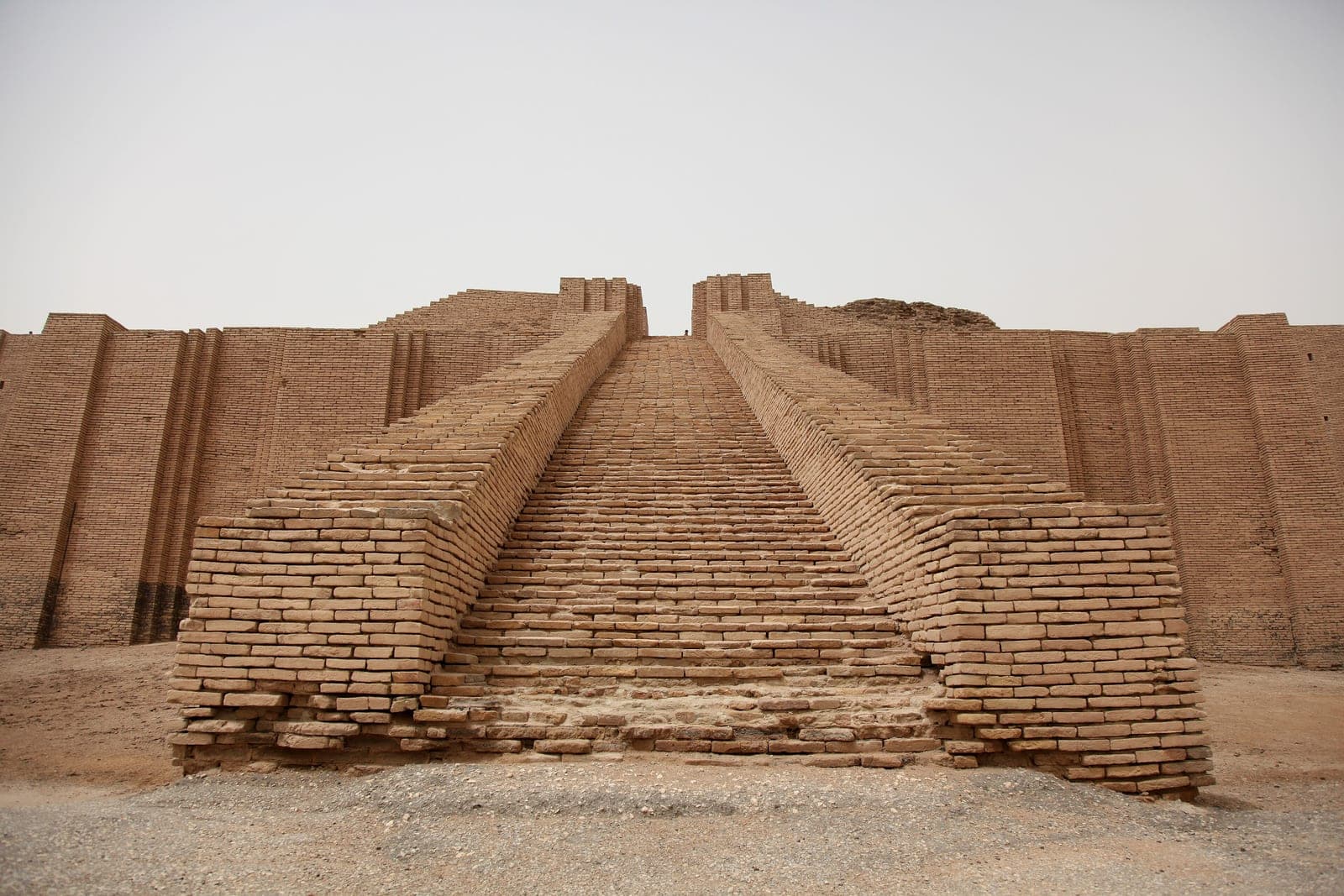
Photo: U.S. Army photo by Spc. Samantha R. Ciaramitaro, via DVIDS and Wikimedia Commons. License: Public domain in the United States — U.S. federal-government work. Source. Location: Great Ziggurat, Ur Archaeological City (Tell el-Mukayyar), Dhi Qar Governorate, Iraq. Resized for the web.
Explore the places of the Bible
See where biblical events happened, why each place matters, and what archaeology helps us understand.
Ur
The city Abram's family left to travel toward Canaan.
Get full access with one subscription
Explore the people and places of the Bible. Read summaries of every book, with images and clear explanations covering every chapter. Access all these features and our Bible study tools with one subscription.
See PlansAsk AI about Lamentations 5:3
Ask a question about this verse and get a clear answer, with Bible references you can read for yourself.
Every Bible book, explained chapter by chapter
Explore summaries of every book of the Bible, with images and easy-to-understand explanations covering every chapter.
Keep studying Lamentations 5:3
Related Bible verses
Key themes
Related topics
At a Glance — the Book of Lamentations
- Author
- Traditionally attributed to Jeremiah
- Written
- Around 586 BC
- Genre
- Poetry and lament
- Original Audience
- Judah after the fall of Jerusalem
Frequently Asked Questions
Quick, clear answers about this verse
What does Lamentations 5:3 mean?
Lamentations 5:3 expresses the deep sorrow and sense of abandonment felt by the people after the destruction of their city. It highlights their vulnerability, comparing them to orphans and widows, which signifies a lack of protection and support.
What is the meaning of 'orphans' in Lamentations 5:3?
In Lamentations 5:3, 'orphans' symbolizes those who are left without guidance or protection, reflecting the emotional and social devastation experienced by the community after their loss.
How does Lamentations 5:3 relate to community support?
Lamentations 5:3 highlights the importance of recognizing and supporting vulnerable individuals in our communities, urging us to foster compassion and care for those who feel abandoned.
What themes are present in Lamentations 5:3?
The themes in Lamentations 5:3 include loss, abandonment, vulnerability, despair, and the need for community support, reflecting the emotional state of the people after their city's destruction.
Daily Verse — straight to your inbox
A verse and a 2-sentence plain-English explanation, every morning. Free. Unsubscribe anytime.