Old Testament
Leviticus 10:16
Read the Bible in clear, modern English—easy to understand, faithful to the meaning, and written for everyday readers.
Later, Moses went looking for the goat of the sin offering and discovered it had been completely burned up. He was furious with Eleazar and Ithamar, Aaron's surviving sons, and demanded:
Compare translations
And Moses diligently sought the goat of the sin offering, and, behold, it was burnt: and he was angry with Eleazar and Ithamar, the sons of Aaron which were left alive, saying,
What Leviticus 10:16 means
Plain-English insight for readers
In Leviticus 10:16, Moses is searching for the goat that was supposed to be used as a sin offering. When he finds it, he discovers that it has been completely burned, which was not the proper way to handle the offering. This situation angers Moses, and he confronts Eleazar and Ithamar, the remaining sons of Aaron, for their failure to follow the instructions regarding the sin offering. The sin offering was meant to atone for the people's sins, and mishandling it was a serious matter. This incident highlights the importance of adhering to God's commands and the consequences of neglecting them. Moses' anger reflects the seriousness of the situation and the need for proper worship practices in the community. It serves as a reminder that leaders must be diligent in their responsibilities and that the community must respect the sacredness of their rituals.
How to apply Leviticus 10:16 to your life
This passage teaches us the importance of following God's instructions carefully in our lives. Just as Moses held Aaron's sons accountable, we should also take responsibility for our actions and ensure we honor God in our practices. Reflect on how you can better align your actions with your beliefs.
Curated for this public verse page. Leviticus Summary
Explore more of the Bible
Learn the Bible through its people and places
Get to know the people in Scripture through illustrated stories, and explore the places where they lived and traveled.

Illustrated scene from Daniel's story: Faithful at the King's Table (Daniel 1:1–21)
Meet the people of the Bible
Follow their lives in order, with illustrated scenes and Bible passages that tell their stories.
 Daniel
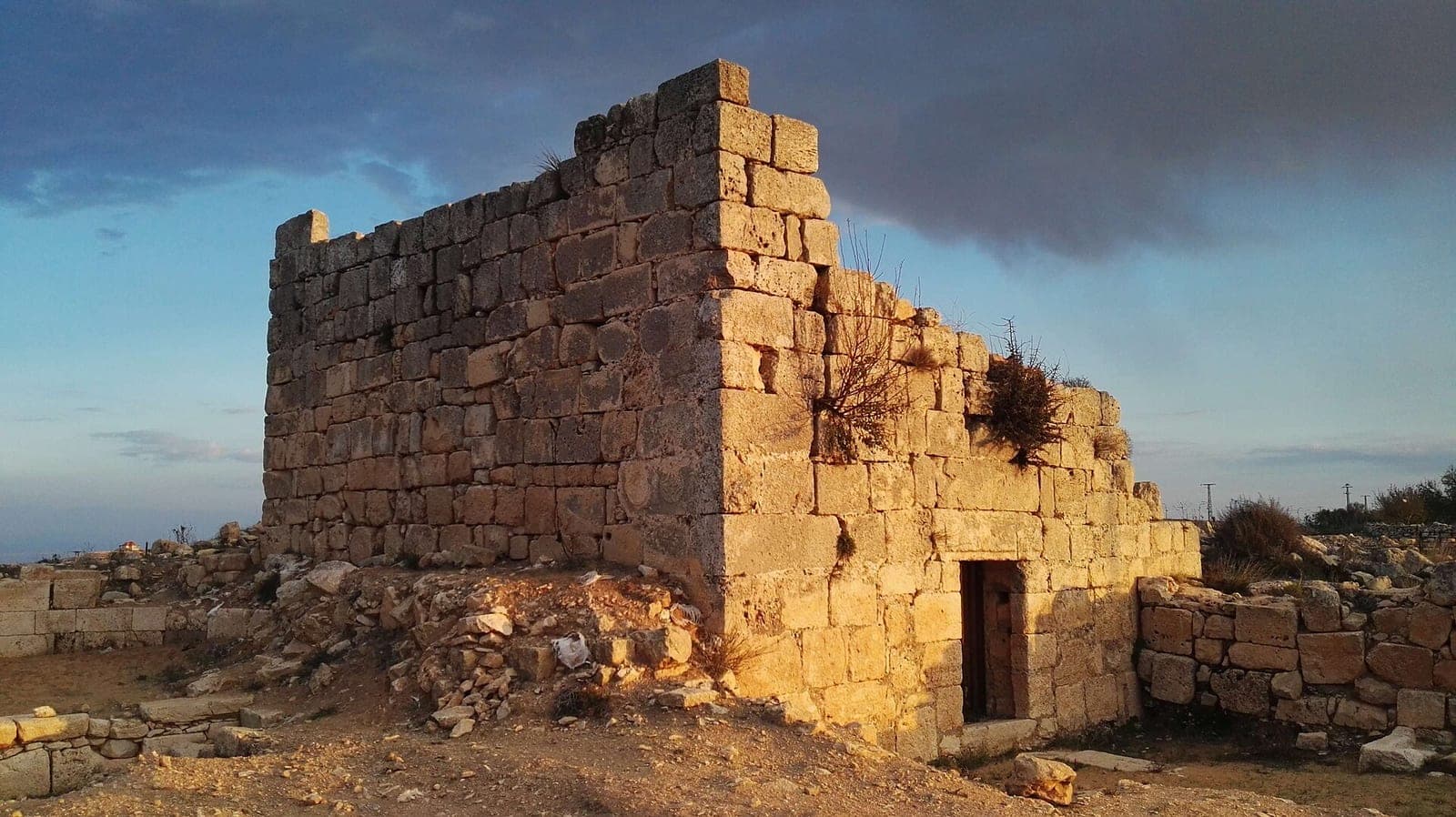
Photo: Bukvoed, via Wikimedia Commons. License: CC BY 4.0. Source. Location: Burj Beitin, Beitin, Ramallah and al-Bireh Governorate, West Bank. Resized for the web.
Explore the places of the Bible
See where biblical events happened, why each place matters, and what archaeology helps us understand.
Bethel
Where Jacob dreamed of a stairway to heaven and met God.
Get full access with one subscription
Explore the people and places of the Bible. Read summaries of every book, with images and clear explanations covering every chapter. Access all these features and our Bible study tools with one subscription.
See PlansAsk AI about Leviticus 10:16
Ask a question about this verse and get a clear answer, with Bible references you can read for yourself.
Every Bible book, explained chapter by chapter
Explore summaries of every book of the Bible, with images and easy-to-understand explanations covering every chapter.
Keep studying Leviticus 10:16
Related Bible verses
Key themes
Related topics
At a Glance — the Book of Leviticus
- Author
- Traditionally attributed to Moses
- Written
- Around 1400 BC
- Genre
- Law (Pentateuch)
- Original Audience
- The Israelites in the wilderness
Frequently Asked Questions
Quick, clear answers about this verse
What does Leviticus 10:16 mean?
Leviticus 10:16 describes Moses' anger when he finds that the goat meant for the sin offering has been completely burned. This indicates a failure to follow God's instructions regarding the proper handling of offerings, highlighting the seriousness of adhering to divine commands.
What is the significance of the sin offering in Leviticus 10:16?
The sin offering in Leviticus 10:16 is significant because it represents atonement for the people's sins. Proper handling of this offering was crucial for maintaining the community's relationship with God, and mishandling it was seen as a serious offense.
Why was Moses angry in Leviticus 10:16?
Moses was angry in Leviticus 10:16 because he discovered that the goat intended for the sin offering had been burned completely, which was not the correct procedure. His anger reflects the importance of following God's commands and the consequences of neglecting them.
What can we learn from Leviticus 10:16 about leadership?
Leviticus 10:16 teaches that leaders must be diligent and accountable for their actions and the actions of those they oversee. Moses' confrontation with Eleazar and Ithamar emphasizes the need for leaders to ensure that God's instructions are followed properly.
Daily Verse — straight to your inbox
A verse and a 2-sentence plain-English explanation, every morning. Free. Unsubscribe anytime.