Old Testament
Leviticus 14:31
Read the Bible in clear, modern English—easy to understand, faithful to the meaning, and written for everyday readers.
one as a sin offering and the other as a burnt offering, along with the grain offering. In this way the priest will make atonement before the LORD for the person being cleansed."
Compare translations
Even such as he is able to get, the one for a sin offering, and the other for a burnt offering, with the meat offering: and the priest shall make an atonement for him that is to be cleansed before the LORD.
What Leviticus 14:31 means
Plain-English insight for readers
In Leviticus 14:31, the focus is on the process of cleansing someone who has been healed from a skin disease. The verse outlines the offerings required for this ritual: one animal is to be offered as a sin offering, another as a burnt offering, and a grain offering is also included. These offerings symbolize the individual's need for atonement and dedication to God. The priest plays a crucial role in this process, as he performs the rituals to ensure that the person is accepted back into the community and is in right standing with God. This passage emphasizes the importance of purification and the need for sacrifices to restore one's relationship with the Lord after experiencing physical or spiritual affliction. It highlights God's provision for healing and restoration, showing that He desires to cleanse and redeem His people.
How to apply Leviticus 14:31 to your life
This verse reminds us of the importance of seeking spiritual cleansing and restoration in our lives. Just as the offerings were necessary for atonement, we should recognize our need for forgiveness and dedicate ourselves to God. Regularly reflecting on our spiritual health can help us maintain a close relationship with Him.
Curated for this public verse page. Leviticus Summary
Explore more of the Bible
Learn the Bible through its people and places
Get to know the people in Scripture through illustrated stories, and explore the places where they lived and traveled.

Illustrated scene from Esther's story: Esther Becomes Queen (Esther 2:1–18)
Meet the people of the Bible
Follow their lives in order, with illustrated scenes and Bible passages that tell their stories.
 Esther
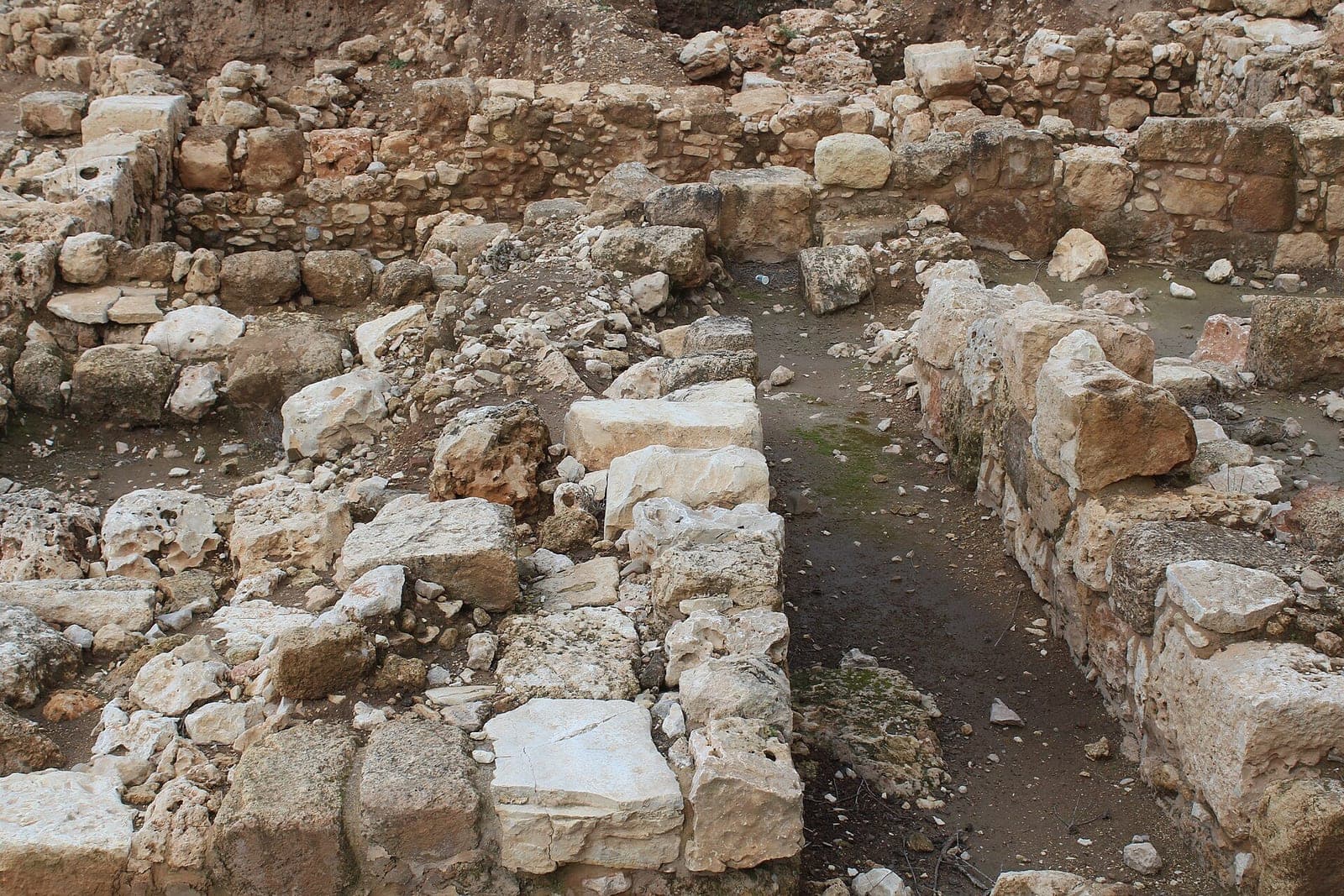
Photo: Deror Avi, via Wikimedia Commons. License: CC BY-SA 4.0. Source. Location: Tel Shiloh archaeological site, West Bank. Resized for the web.
Explore the places of the Bible
See where biblical events happened, why each place matters, and what archaeology helps us understand.
Shiloh
Where Israel set up the tabernacle, and where God called the boy Samuel.
Get full access with one subscription
Explore the people and places of the Bible. Read summaries of every book, with images and clear explanations covering every chapter. Access all these features and our Bible study tools with one subscription.
See PlansAsk AI about Leviticus 14:31
Ask a question about this verse and get a clear answer, with Bible references you can read for yourself.
Every Bible book, explained chapter by chapter
Explore summaries of every book of the Bible, with images and easy-to-understand explanations covering every chapter.
Keep studying Leviticus 14:31
Related Bible verses
Related topics
At a Glance — the Book of Leviticus
- Author
- Traditionally attributed to Moses
- Written
- Around 1400 BC
- Genre
- Law (Pentateuch)
- Original Audience
- The Israelites in the wilderness
Frequently Asked Questions
Quick, clear answers about this verse
What does Leviticus 14:31 mean?
Leviticus 14:31 describes the offerings required for someone who has been healed from a skin disease. It emphasizes the need for a sin offering, a burnt offering, and a grain offering to symbolize atonement and dedication to God.
What is the significance of the offerings in Leviticus 14:31?
The offerings in Leviticus 14:31 represent the individual's need for forgiveness and restoration after being healed. They highlight the importance of purification and the role of the priest in facilitating the person's acceptance back into the community.
How does Leviticus 14:31 relate to spiritual cleansing?
Leviticus 14:31 illustrates the process of seeking spiritual cleansing through offerings, which symbolize the need for atonement. It serves as a reminder of the importance of recognizing our need for forgiveness and dedicating ourselves to God.
What themes are present in Leviticus 14:31?
Key themes in Leviticus 14:31 include atonement, cleansing, sacrifice, restoration, community, and healing. These themes highlight the process of being restored to a right relationship with God after affliction.
Daily Verse — straight to your inbox
A verse and a 2-sentence plain-English explanation, every morning. Free. Unsubscribe anytime.