Old Testament
Leviticus 14:48
Read the Bible in clear, modern English—easy to understand, faithful to the meaning, and written for everyday readers.
"But if the priest comes to inspect and finds that the contamination has not spread after the house was replastered, the priest will declare the house clean, because the contamination is gone.
Compare translations
And if the priest shall come in, and look upon it, and, behold, the plague hath not spread in the house, after the house was plaistered: then the priest shall pronounce the house clean, because the plague is healed.
What Leviticus 14:48 means
Plain-English insight for readers
In Leviticus 14:48, the focus is on the inspection of a house that had previously been declared unclean due to a plague or contamination. After the house has been replastered, the priest returns to check if the contamination has spread. If the priest finds that the condition has not worsened, he will declare the house clean. This process emphasizes the importance of thorough inspection and the role of the priest in determining cleanliness. The act of replastering symbolizes an effort to restore and purify the space. The declaration of cleanliness signifies that the contamination is no longer present, allowing the inhabitants to return to a state of normalcy. This verse highlights the significance of following proper procedures for health and cleanliness in the community, as well as the hope for restoration after a period of affliction.
How to apply Leviticus 14:48 to your life
This verse teaches us the importance of addressing issues in our lives and communities. Just as the priest inspects the house, we should regularly evaluate our surroundings and relationships for signs of negativity or contamination. Taking steps to restore and purify our environments can lead to healing and renewal.
Curated for this public verse page. Leviticus Summary
Explore more of the Bible
Learn the Bible through its people and places
Get to know the people in Scripture through illustrated stories, and explore the places where they lived and traveled.

Illustrated scene from Esther's story: Esther Becomes Queen (Esther 2:1–18)
Meet the people of the Bible
Follow their lives in order, with illustrated scenes and Bible passages that tell their stories.
 Esther
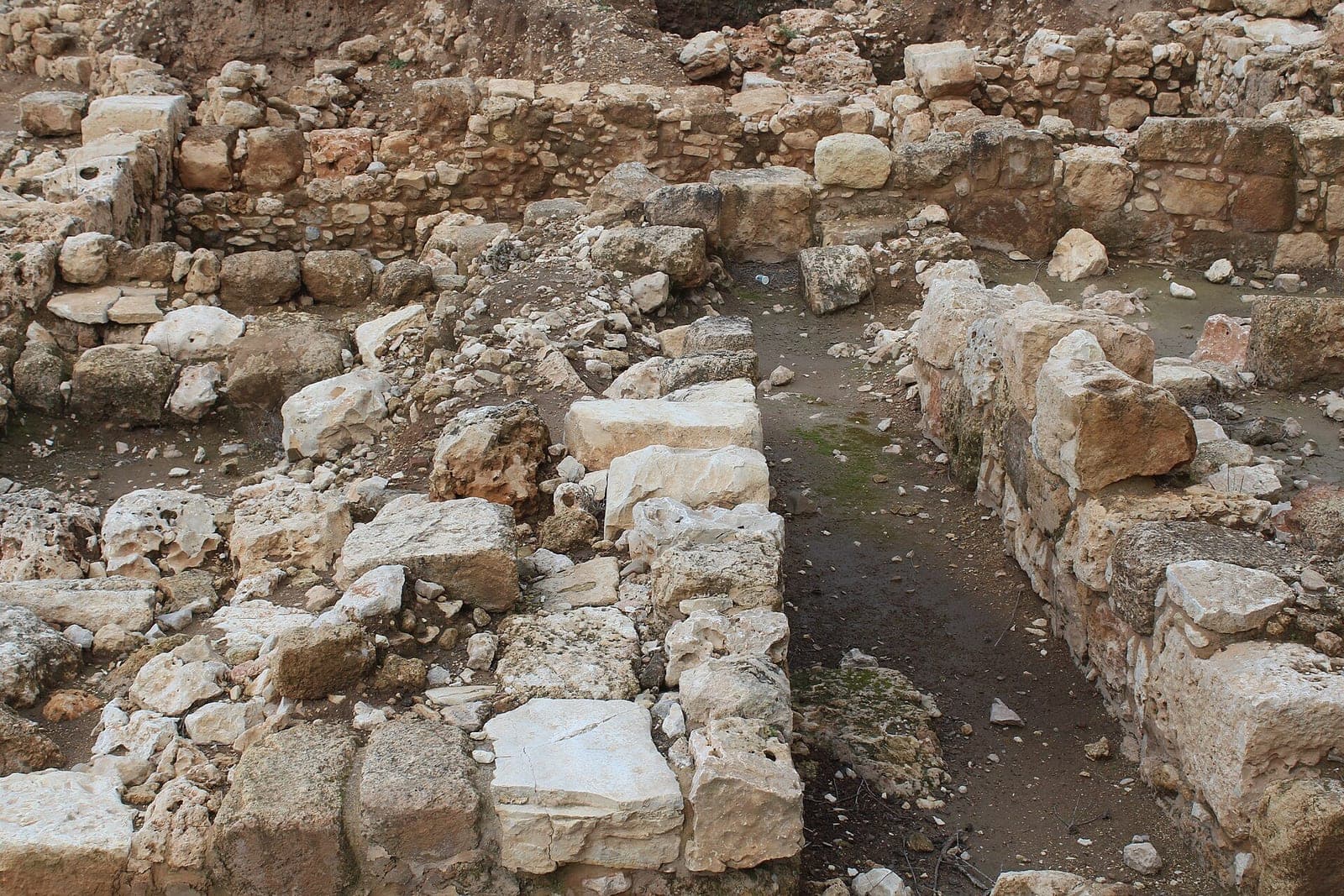
Photo: Deror Avi, via Wikimedia Commons. License: CC BY-SA 4.0. Source. Location: Tel Shiloh archaeological site, West Bank. Resized for the web.
Explore the places of the Bible
See where biblical events happened, why each place matters, and what archaeology helps us understand.
Shiloh
Where Israel set up the tabernacle, and where God called the boy Samuel.
Get full access with one subscription
Explore the people and places of the Bible. Read summaries of every book, with images and clear explanations covering every chapter. Access all these features and our Bible study tools with one subscription.
See PlansAsk AI about Leviticus 14:48
Ask a question about this verse and get a clear answer, with Bible references you can read for yourself.
Every Bible book, explained chapter by chapter
Explore summaries of every book of the Bible, with images and easy-to-understand explanations covering every chapter.
Keep studying Leviticus 14:48
Related Bible verses
Key themes
Related topics
At a Glance — the Book of Leviticus
- Author
- Traditionally attributed to Moses
- Written
- Around 1400 BC
- Genre
- Law (Pentateuch)
- Original Audience
- The Israelites in the wilderness
Frequently Asked Questions
Quick, clear answers about this verse
What does Leviticus 14:48 mean?
Leviticus 14:48 discusses the process of inspecting a house that had been declared unclean due to contamination. If the priest finds that the condition has not worsened after the house was replastered, he declares it clean, indicating that the contamination is gone.
What is the significance of the priest's inspection in Leviticus 14:48?
The priest's inspection in Leviticus 14:48 is significant because it emphasizes the role of authority in determining cleanliness and health within the community. It highlights the importance of thorough evaluation and the hope for restoration after a period of contamination.
What does the term 'plague' refer to in Leviticus 14:48?
In Leviticus 14:48, the term 'plague' refers to a form of contamination or disease affecting the house. It symbolizes a serious issue that requires inspection and intervention to ensure the health and safety of the inhabitants.
How does Leviticus 14:48 relate to community health?
Leviticus 14:48 relates to community health by illustrating the importance of addressing contamination and ensuring cleanliness. The process of inspection and restoration promotes a healthy living environment for the community.
Daily Verse — straight to your inbox
A verse and a 2-sentence plain-English explanation, every morning. Free. Unsubscribe anytime.