Old Testament
Leviticus 19:34
Read the Bible in clear, modern English—easy to understand, faithful to the meaning, and written for everyday readers.
Treat the foreigner living among you the same as someone born in your own country. Love them as yourself, because you were once foreigners in Egypt. I am the LORD your God.
Compare translations
But the stranger that dwelleth with you shall be unto you as one born among you, and thou shalt love him as thyself; for ye were strangers in the land of Egypt: I am the LORD your God.
What Leviticus 19:34 means
Plain-English insight for readers
In Leviticus 19:34, God commands the Israelites to treat foreigners living among them with the same respect and love as they would treat their own fellow countrymen. This instruction emphasizes the importance of compassion and empathy, reminding the Israelites of their own history as foreigners in Egypt. By recalling their past experiences, they are encouraged to extend kindness and acceptance to those who are different from them. The verse highlights the idea that all people deserve dignity and love, regardless of their background or nationality. This principle of loving others as oneself is a central theme in the Bible, reflecting God's character and His desire for His people to live in harmony with one another. The call to love the foreigner is not just a social obligation but a reflection of their identity as God's chosen people, who are to embody His love and justice in their communities.
How to apply Leviticus 19:34 to your life
In our daily lives, we can apply this verse by actively welcoming and supporting those who are different from us, such as immigrants or refugees. By showing kindness and understanding, we reflect God's love and create a more inclusive community.
Curated for this public verse page. Leviticus Summary
Explore more of the Bible
Learn the Bible through its people and places
Get to know the people in Scripture through illustrated stories, and explore the places where they lived and traveled.

Illustrated scene from Moses's story: Israel Enslaved in Egypt (Exodus 1:8–22)
Meet the people of the Bible
Follow their lives in order, with illustrated scenes and Bible passages that tell their stories.
 Moses
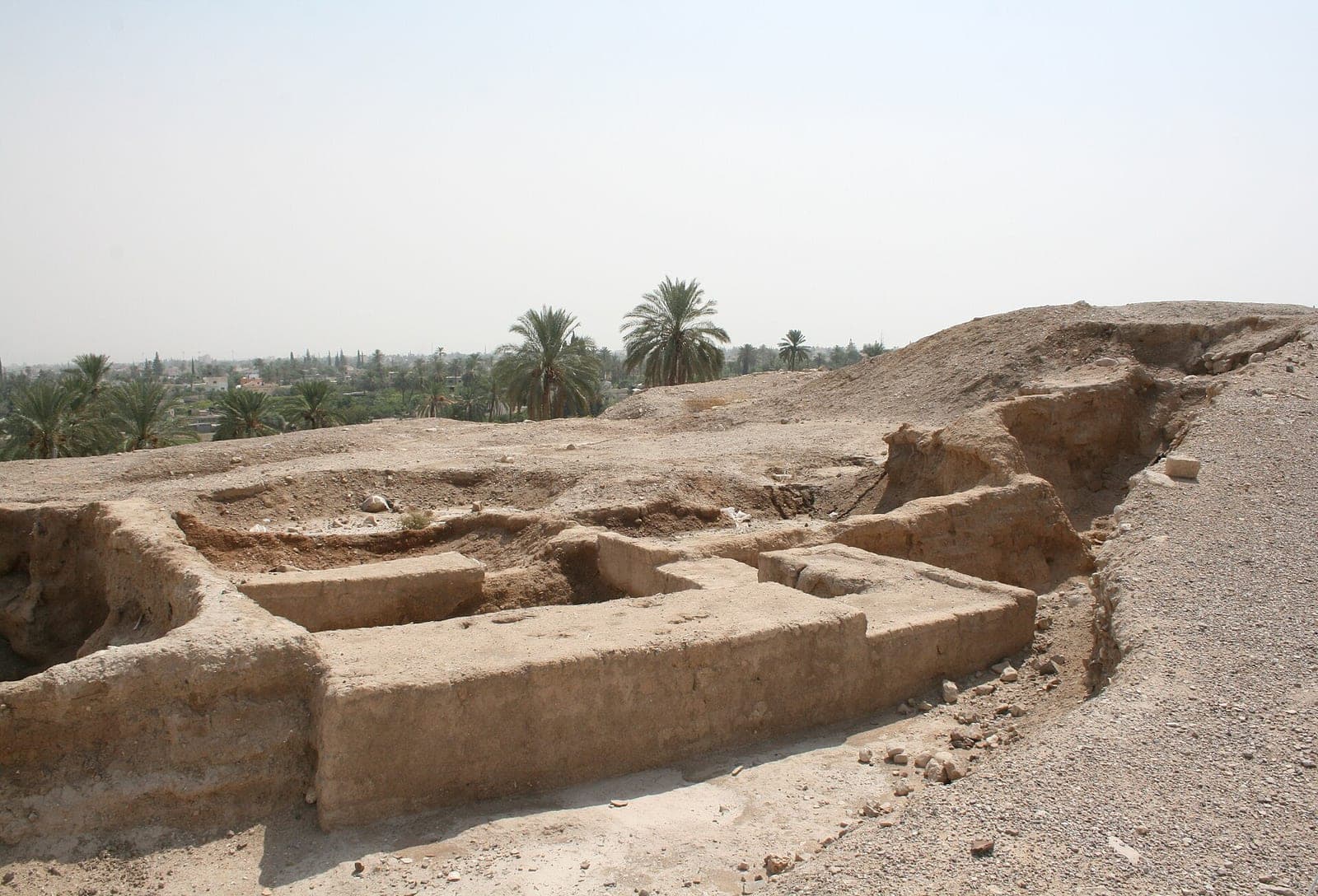
Photo: Diego Delso, via Wikimedia Commons. License: CC BY-SA 3.0. Source. Location: Tell es-Sultan, Jericho, West Bank. Resized for the web.
Explore the places of the Bible
See where biblical events happened, why each place matters, and what archaeology helps us understand.
Jericho
The city of palm trees, whose walls fell in Joshua's day.
Get full access with one subscription
Explore the people and places of the Bible. Read summaries of every book, with images and clear explanations covering every chapter. Access all these features and our Bible study tools with one subscription.
See PlansAsk AI about Leviticus 19:34
Ask a question about this verse and get a clear answer, with Bible references you can read for yourself.
Every Bible book, explained chapter by chapter
Explore summaries of every book of the Bible, with images and easy-to-understand explanations covering every chapter.
Keep studying Leviticus 19:34
Related Bible verses
Key themes
Related topics
At a Glance — the Book of Leviticus
- Author
- Traditionally attributed to Moses
- Written
- Around 1400 BC
- Genre
- Law (Pentateuch)
- Original Audience
- The Israelites in the wilderness
Frequently Asked Questions
Quick, clear answers about this verse
What does Leviticus 19:34 mean?
Leviticus 19:34 means that God instructs the Israelites to treat foreigners living among them with the same love and respect as they would their own people. It emphasizes compassion and reminds them of their own history as foreigners in Egypt.
What is the meaning of 'love them as yourself' in Leviticus 19:34?
The phrase 'love them as yourself' in Leviticus 19:34 means that individuals should extend the same care, kindness, and respect to others, especially foreigners, as they would want for themselves. This principle encourages empathy and equality among all people.
How can we apply Leviticus 19:34 today?
We can apply Leviticus 19:34 today by welcoming and supporting immigrants and refugees in our communities. By showing kindness and understanding to those who are different from us, we embody the love that this verse promotes.
What themes are present in Leviticus 19:34?
Leviticus 19:34 presents themes of love for others, compassion, equality, empathy, and social justice. It underscores the importance of treating all people with dignity, regardless of their background.
Daily Verse — straight to your inbox
A verse and a 2-sentence plain-English explanation, every morning. Free. Unsubscribe anytime.