Old Testament
Leviticus 6:11
Read the Bible in clear, modern English—easy to understand, faithful to the meaning, and written for everyday readers.
After that, he must change out of those garments, put on different clothes, and carry the ashes outside the camp to a ceremonially clean place.
Compare translations
And he shall put off his garments, and put on other garments, and carry forth the ashes without the camp unto a clean place.
What Leviticus 6:11 means
Plain-English insight for readers
In Leviticus 6:11, the instructions given to the priest emphasize the importance of cleanliness and separation in the sacrificial system. After handling the ashes from the burnt offering, the priest must change his garments to avoid contamination. This act symbolizes the need for purity when approaching God and handling sacred items. The ashes, which represent the remnants of the offering, must be taken outside the camp to a clean place, highlighting the significance of disposing of what is no longer needed in a respectful manner. This process reflects the broader theme of holiness in worship and the necessity of maintaining a distinction between the sacred and the common. The act of changing clothes serves as a physical reminder of the spiritual responsibilities that come with serving in the temple and the need to be ceremonially clean before God.
How to apply Leviticus 6:11 to your life
This verse teaches us the importance of maintaining spiritual cleanliness in our lives. Just as the priest had to change garments, we should also shed anything that hinders our relationship with God. Regularly reflecting on our actions and ensuring we are spiritually clean can help us serve others and worship God more effectively.
Curated for this public verse page. Leviticus Summary
Explore more of the Bible
Learn the Bible through its people and places
Get to know the people in Scripture through illustrated stories, and explore the places where they lived and traveled.

Illustrated scene from Esther's story: Esther Becomes Queen (Esther 2:1–18)
Meet the people of the Bible
Follow their lives in order, with illustrated scenes and Bible passages that tell their stories.
 Esther
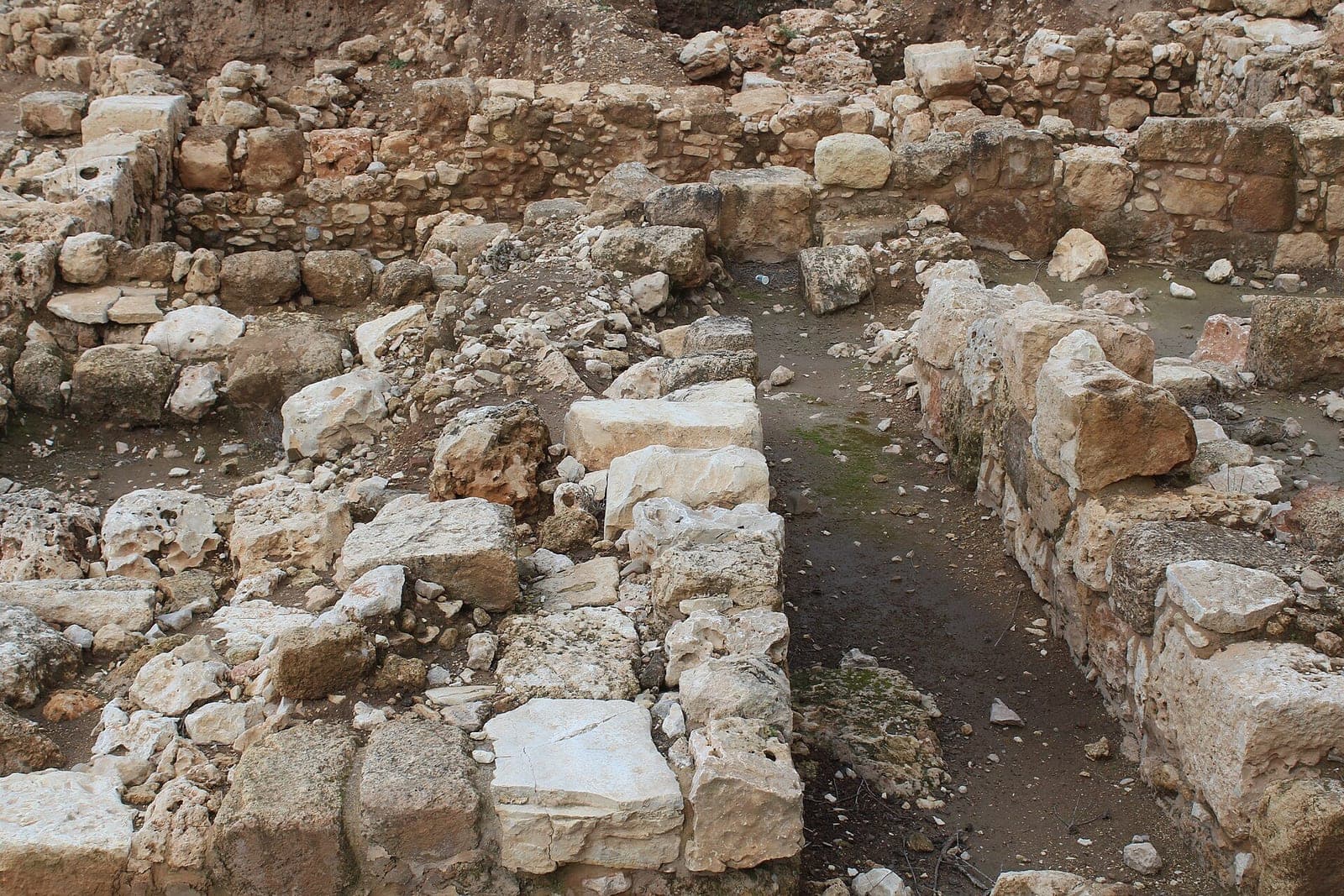
Photo: Deror Avi, via Wikimedia Commons. License: CC BY-SA 4.0. Source. Location: Tel Shiloh archaeological site, West Bank. Resized for the web.
Explore the places of the Bible
See where biblical events happened, why each place matters, and what archaeology helps us understand.
Shiloh
Where Israel set up the tabernacle, and where God called the boy Samuel.
Get full access with one subscription
Explore the people and places of the Bible. Read summaries of every book, with images and clear explanations covering every chapter. Access all these features and our Bible study tools with one subscription.
See PlansAsk AI about Leviticus 6:11
Ask a question about this verse and get a clear answer, with Bible references you can read for yourself.
Every Bible book, explained chapter by chapter
Explore summaries of every book of the Bible, with images and easy-to-understand explanations covering every chapter.
Keep studying Leviticus 6:11
Related Bible verses
At a Glance — the Book of Leviticus
- Author
- Traditionally attributed to Moses
- Written
- Around 1400 BC
- Genre
- Law (Pentateuch)
- Original Audience
- The Israelites in the wilderness
Frequently Asked Questions
Quick, clear answers about this verse
What does Leviticus 6:11 mean?
Leviticus 6:11 instructs priests to change their garments after handling the ashes from burnt offerings, symbolizing the need for cleanliness and purity when approaching God.
What is the significance of changing garments in Leviticus 6:11?
Changing garments in Leviticus 6:11 signifies the importance of maintaining spiritual and ceremonial cleanliness, reflecting the need to separate the sacred from the common.
What does the term 'clean place' refer to in Leviticus 6:11?
The 'clean place' in Leviticus 6:11 refers to a location outside the camp where the ashes from the burnt offering can be disposed of respectfully, emphasizing the importance of purity in worship.
Why must the priest carry ashes outside the camp in Leviticus 6:11?
The priest must carry the ashes outside the camp to a clean place to ensure that remnants of the sacrifice are treated with respect and to maintain the holiness of the camp.
Daily Verse — straight to your inbox
A verse and a 2-sentence plain-English explanation, every morning. Free. Unsubscribe anytime.