Old Testament
Leviticus 6:27
Read the Bible in clear, modern English—easy to understand, faithful to the meaning, and written for everyday readers.
Anything that touches the meat of this offering becomes holy. If any of its blood spatters on a garment, that garment must be washed in a holy place.
Compare translations
Whatsoever shall touch the flesh thereof shall be holy: and when there is sprinkled of the blood thereof upon any garment, thou shalt wash that whereon it was sprinkled in the holy place.
What Leviticus 6:27 means
Plain-English insight for readers
In Leviticus 6:27, the text emphasizes the holiness associated with the offerings made to God. When the meat of a sacrificial offering is touched, it becomes holy, indicating that God's presence sanctifies it. Additionally, if the blood from the offering splatters onto a garment, that garment must be washed in a designated holy place. This reflects the seriousness of maintaining purity and holiness in the worship practices of the Israelites. The act of washing the garment signifies the need to address any contamination that may arise from the sacred rituals. Overall, this verse highlights the importance of holiness in the relationship between God and His people, as well as the need for proper conduct in worship and the handling of sacred items.
How to apply Leviticus 6:27 to your life
This verse reminds us of the importance of maintaining purity in our spiritual lives. Just as the Israelites had to wash garments that were contaminated by blood, we should be mindful of what we allow to touch our lives. Engaging in practices that promote holiness can help us stay aligned with our values and faith.
Curated for this public verse page. Leviticus Summary
Explore more of the Bible
Learn the Bible through its people and places
Get to know the people in Scripture through illustrated stories, and explore the places where they lived and traveled.

Illustrated scene from Esther's story: Esther Becomes Queen (Esther 2:1–18)
Meet the people of the Bible
Follow their lives in order, with illustrated scenes and Bible passages that tell their stories.
 Esther
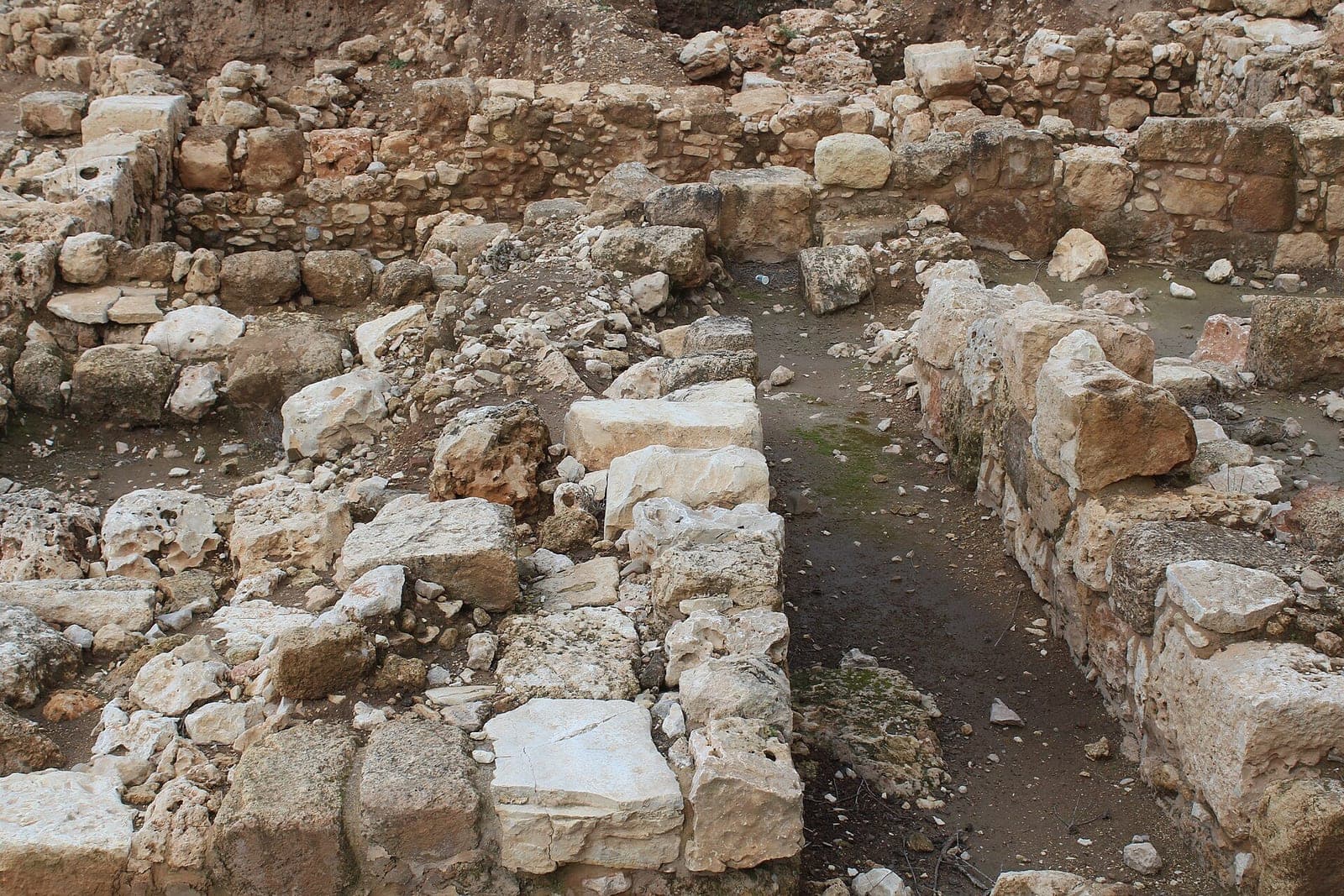
Photo: Deror Avi, via Wikimedia Commons. License: CC BY-SA 4.0. Source. Location: Tel Shiloh archaeological site, West Bank. Resized for the web.
Explore the places of the Bible
See where biblical events happened, why each place matters, and what archaeology helps us understand.
Shiloh
Where Israel set up the tabernacle, and where God called the boy Samuel.
Get full access with one subscription
Explore the people and places of the Bible. Read summaries of every book, with images and clear explanations covering every chapter. Access all these features and our Bible study tools with one subscription.
See PlansAsk AI about Leviticus 6:27
Ask a question about this verse and get a clear answer, with Bible references you can read for yourself.
Every Bible book, explained chapter by chapter
Explore summaries of every book of the Bible, with images and easy-to-understand explanations covering every chapter.
Keep studying Leviticus 6:27
Related Bible verses
At a Glance — the Book of Leviticus
- Author
- Traditionally attributed to Moses
- Written
- Around 1400 BC
- Genre
- Law (Pentateuch)
- Original Audience
- The Israelites in the wilderness
Frequently Asked Questions
Quick, clear answers about this verse
What does Leviticus 6:27 teach about holiness?
Leviticus 6:27 emphasizes that anything touching the meat of a sacrificial offering becomes holy, illustrating the sanctifying power of God's presence. This signifies that offerings made to God are not just rituals but are imbued with divine significance, highlighting the seriousness of approaching God with purity and reverence.
Why must garments be washed in a holy place according to Leviticus 6:27?
The requirement to wash garments in a holy place if they are splattered with the blood of the offering underscores the importance of maintaining purity in worship. It reflects the belief that contamination from sacred rituals must be addressed properly to uphold the sanctity of the worship environment and the relationship with God.
How can we apply the principles of Leviticus 6:27 in modern life?
In modern life, Leviticus 6:27 encourages us to be mindful of what influences we allow into our lives. Just as the Israelites had to wash contaminated garments, we should actively seek to purify our thoughts, actions, and relationships, ensuring they align with our values and faith. This can involve avoiding negative influences and engaging in practices that promote spiritual growth.
What is the significance of blood in Leviticus 6:27?
In Leviticus 6:27, blood symbolizes life and the seriousness of sacrifice in worship. The splattering of blood signifies the connection between the offering and the worshiper, emphasizing the need for atonement and the importance of addressing any spiritual contamination. Blood in this context highlights the gravity of sin and the necessity of purification.
Daily Verse — straight to your inbox
A verse and a 2-sentence plain-English explanation, every morning. Free. Unsubscribe anytime.