New Testament
Luke 1:19
Read the Bible in clear, modern English—easy to understand, faithful to the meaning, and written for everyday readers.
The angel answered, "I am Gabriel. I stand in the presence of God, and I was sent to speak to you and bring you this good news."
Compare translations
And the angel answering said unto him, I am Gabriel, that stand in the presence of God; and am sent to speak unto thee, and to shew thee these glad tidings.
What Luke 1:19 means
Plain-English insight for readers
In this verse, the angel Gabriel identifies himself to Zechariah, emphasizing his divine authority and mission. Gabriel stands in God's presence, which signifies his role as a messenger of God. He has come to deliver important news about the future birth of John the Baptist. This moment highlights the significance of divine communication and the fulfillment of God's promises. Gabriel's declaration of 'glad tidings' indicates that the message he brings is one of joy and hope, marking a pivotal moment in the biblical narrative. The encounter illustrates the connection between heaven and earth, showing that God actively engages with humanity through His messengers. This verse reassures believers of God's ongoing involvement in their lives and the unfolding of His plans through miraculous means.
How to apply Luke 1:19 to your life
This verse encourages us to recognize that God communicates with us through various means. We should remain open to His messages, whether through scripture, prayer, or the counsel of others. Trusting in God's plans can bring us hope and joy, even in uncertain times.
Curated for this public verse page. Luke Summary
Learn the Bible through its people and places
Get to know the people in Scripture through illustrated stories, and explore the places where they lived and traveled.

Illustrated scene from John the Baptist's story: His Birth Foretold (Luke 1:5–25)
Meet the people of the Bible
Follow their lives in order, with illustrated scenes and Bible passages that tell their stories.
 John the Baptist
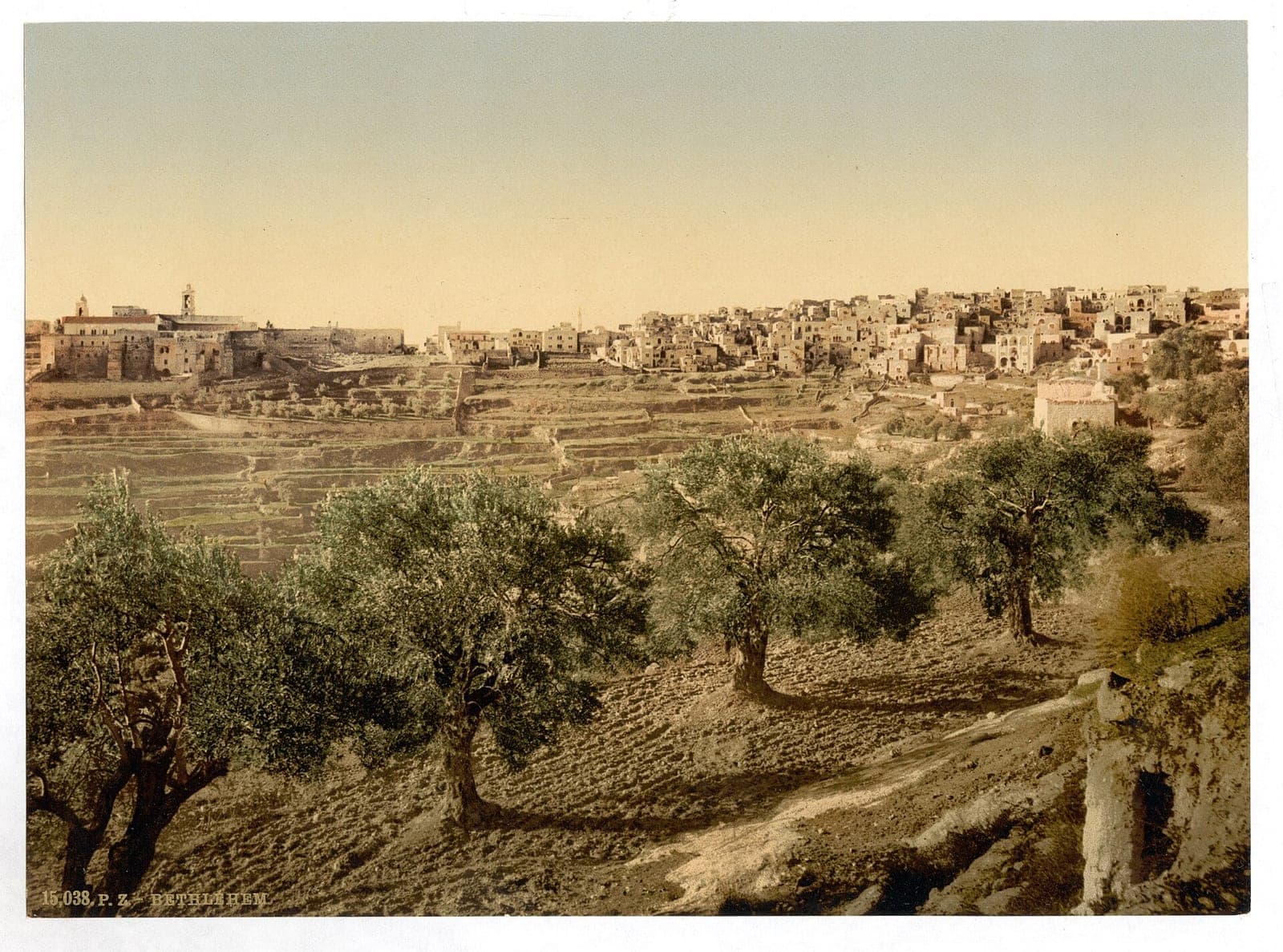
Photo: Photochrom print, Library of Congress Prints and Photographs Division (LCCN 2002724966). License: Public domain in the United States; Library of Congress states no known restrictions on publication. Source. Location: Bethlehem, West Bank; print preserved by the Library of Congress. Resized for the web.
Explore the places of the Bible
See where biblical events happened, why each place matters, and what archaeology helps us understand.
Bethlehem
David's hometown, and the town where Jesus was born.
Get full access with one subscription
Explore the people and places of the Bible. Read summaries of every book, with images and clear explanations covering every chapter. Access all these features and our Bible study tools with one subscription.
See PlansAsk AI about Luke 1:19
Ask a question about this verse and get a clear answer, with Bible references you can read for yourself.
Every Bible book, explained chapter by chapter
Explore summaries of every book of the Bible, with images and easy-to-understand explanations covering every chapter.
Keep studying Luke 1:19
Related Bible verses
Key themes
Related topics
At a Glance — the Book of Luke
- Author
- Luke the physician
- Written
- Around AD 60-62
- Genre
- Gospel and history
- Original Audience
- Gentile Christians (addressed to Theophilus)
Frequently Asked Questions
Quick, clear answers about this verse
What does Luke 1:19 mean?
In Luke 1:19, the angel Gabriel introduces himself to Zechariah, highlighting his role as a messenger from God. He emphasizes that he stands in God's presence and has come to deliver important news about the future birth of John the Baptist.
Who is Gabriel in Luke 1:19?
Gabriel is an angel who serves as a messenger of God. In Luke 1:19, he identifies himself to Zechariah, indicating his authority and mission to bring good news.
What is the significance of 'good news' in Luke 1:19?
The 'good news' mentioned in Luke 1:19 refers to the announcement of the upcoming birth of John the Baptist. This message signifies joy and hope, marking a key moment in the fulfillment of God's promises.
How does Luke 1:19 relate to divine communication?
Luke 1:19 illustrates divine communication by showing how God sends His messenger, Gabriel, to interact with humanity. This verse highlights the importance of being receptive to God's messages and the fulfillment of His plans.
Daily Verse — straight to your inbox
A verse and a 2-sentence plain-English explanation, every morning. Free. Unsubscribe anytime.