New Testament
Luke 10:34
Read the Bible in clear, modern English—easy to understand, faithful to the meaning, and written for everyday readers.
He went to him, bandaged his wounds, poured oil and wine on them, lifted the man onto his own animal, brought him to an inn, and took care of him.
Compare translations
And went to him, and bound up his wounds, pouring in oil and wine, and set him on his own beast, and brought him to an inn, and took care of him.
What Luke 10:34 means
Plain-English insight for readers
In this verse, we see a compassionate act of kindness. A man, who was likely a stranger, was injured and left on the side of the road. Instead of ignoring him, the Good Samaritan approached him, showing empathy and care. He bandaged the man's wounds, using oil and wine to clean and soothe them, which was a common practice at the time. The Samaritan then placed the injured man on his own animal, indicating he was willing to sacrifice his own comfort for the sake of another. He took him to an inn, where he continued to care for him, ensuring that the man received the help he needed. This act exemplifies selflessness and the importance of helping those in need, regardless of their background or circumstances. It highlights the call to love and serve others, demonstrating that true compassion knows no boundaries.
How to apply Luke 10:34 to your life
We can apply this lesson by being attentive to the needs of those around us. Whether it's helping a neighbor, volunteering, or simply offering a listening ear, we should strive to show kindness and support to others, just as the Good Samaritan did.
Curated for this public verse page. Luke Summary
Explore more of the Bible
Learn the Bible through its people and places
Get to know the people in Scripture through illustrated stories, and explore the places where they lived and traveled.
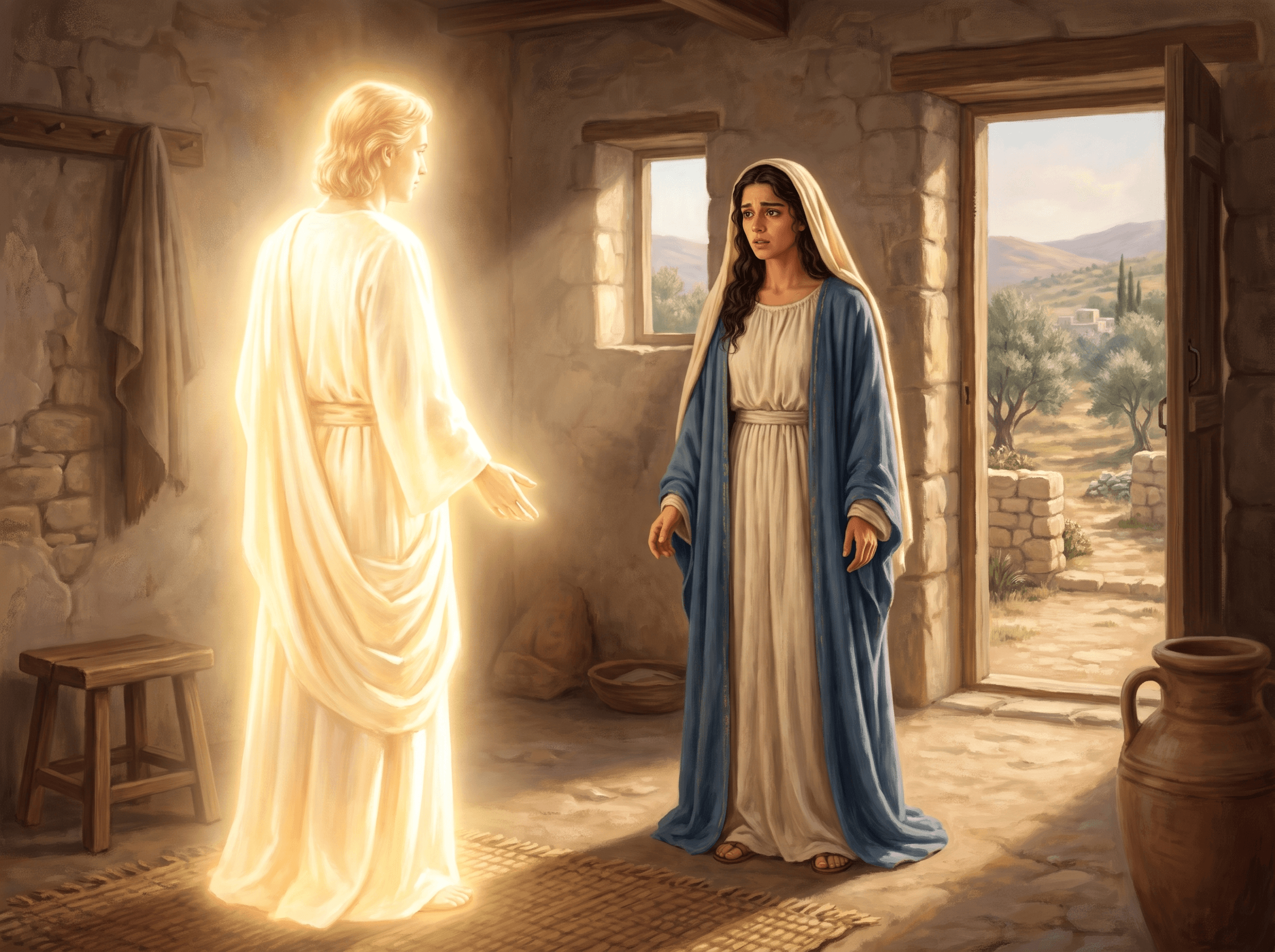
Illustrated scene from Mary, Jesus' mother's story: An Angel Visits Mary (Luke 1:26–38)
Meet the people of the Bible
Follow their lives in order, with illustrated scenes and Bible passages that tell their stories.
 Mary, Jesus' mother
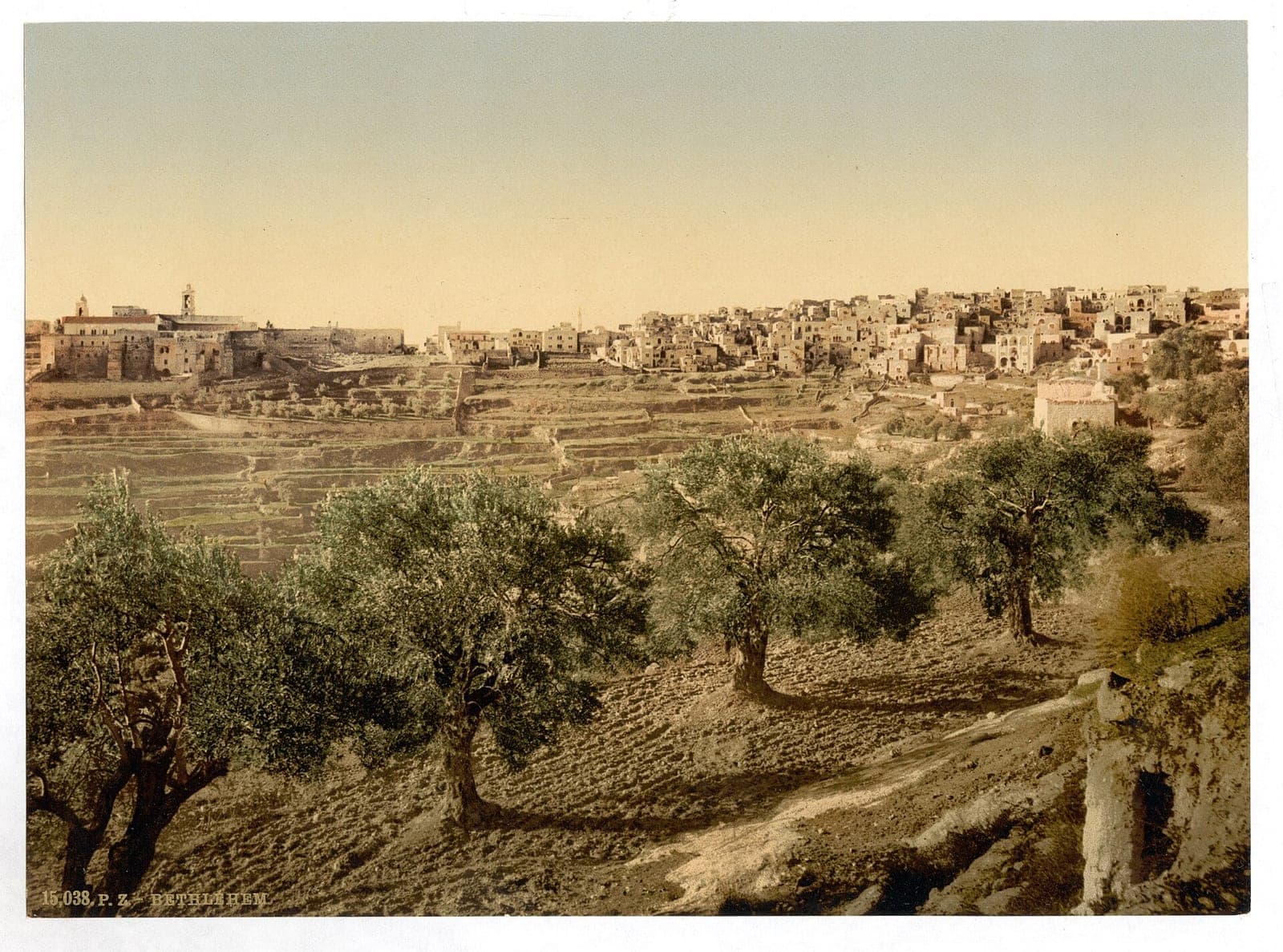
Photo: Photochrom print, Library of Congress Prints and Photographs Division (LCCN 2002724966). License: Public domain in the United States; Library of Congress states no known restrictions on publication. Source. Location: Bethlehem, West Bank; print preserved by the Library of Congress. Resized for the web.
Explore the places of the Bible
See where biblical events happened, why each place matters, and what archaeology helps us understand.
Bethlehem
David's hometown, and the town where Jesus was born.
Get full access with one subscription
Explore the people and places of the Bible. Read summaries of every book, with images and clear explanations covering every chapter. Access all these features and our Bible study tools with one subscription.
See PlansAsk AI about Luke 10:34
Ask a question about this verse and get a clear answer, with Bible references you can read for yourself.
Every Bible book, explained chapter by chapter
Explore summaries of every book of the Bible, with images and easy-to-understand explanations covering every chapter.
Keep studying Luke 10:34
Related Bible verses
Key themes
Related topics
At a Glance — the Book of Luke
- Author
- Luke the physician
- Written
- Around AD 60-62
- Genre
- Gospel and history
- Original Audience
- Gentile Christians (addressed to Theophilus)
Frequently Asked Questions
Quick, clear answers about this verse
What does Luke 10:34 teach about compassion?
Luke 10:34 illustrates the importance of compassion through the actions of the Good Samaritan. He demonstrates empathy by tending to the wounds of a stranger, showing that true kindness transcends social boundaries. This verse encourages us to actively care for those in need, reminding us that compassion is not just a feeling but requires action.
How can I apply the message of Luke 10:34 in my life?
You can apply the message of Luke 10:34 by being proactive in helping others. Look for opportunities to assist those who are struggling, whether it's through volunteering, offering emotional support, or simply being present for someone in need. By embodying the spirit of the Good Samaritan, you can make a positive impact in your community.
What does the oil and wine symbolize in this verse?
In Luke 10:34, the oil and wine symbolize healing and care. Oil was often used for soothing wounds, while wine had antiseptic properties. Together, they represent the practical means of providing comfort and healing to those who are suffering, emphasizing the importance of addressing both physical and emotional needs.
Why is the Good Samaritan considered a model for helping others?
The Good Samaritan is considered a model for helping others because he acted selflessly and without prejudice. Despite societal norms that might have discouraged him from helping a stranger, he chose to prioritize compassion over convenience. His actions serve as a powerful reminder that we should help others regardless of their background or our differences.
Daily Verse — straight to your inbox
A verse and a 2-sentence plain-English explanation, every morning. Free. Unsubscribe anytime.