New Testament
Luke 10:35
Read the Bible in clear, modern English—easy to understand, faithful to the meaning, and written for everyday readers.
The next morning before he left, he gave the innkeeper 2 denarii and said, 'Take care of him. If you spend more than this, I'll pay you back when I return.'
Compare translations
And on the morrow when he departed, he took out two pence, and gave them to the host, and said unto him, Take care of him; and whatsoever thou spendest more, when I come again, I will repay thee.
What Luke 10:35 means
Plain-English insight for readers
In this verse, the Good Samaritan shows his compassion and responsibility towards the injured man he helped. After taking the man to an inn for care, he gives the innkeeper two denarii, which is enough to cover the man's immediate needs. He instructs the innkeeper to take care of the man and promises to reimburse any additional expenses upon his return. This act illustrates the Samaritan's commitment to ensuring the man's recovery, emphasizing the importance of taking action to help those in need. It also highlights the idea of being responsible for the well-being of others, not just in words but through tangible support. The Samaritan's willingness to return and settle any extra costs shows his integrity and dedication to helping others, setting an example of selfless love and care for our neighbors, regardless of their background or circumstances.
How to apply Luke 10:35 to your life
We can apply this lesson by being proactive in helping those in need around us. Whether through financial support, time, or resources, we should be willing to assist others and follow through on our commitments to help them recover and thrive.
Curated for this public verse page. Luke Summary
Explore more of the Bible
Learn the Bible through its people and places
Get to know the people in Scripture through illustrated stories, and explore the places where they lived and traveled.
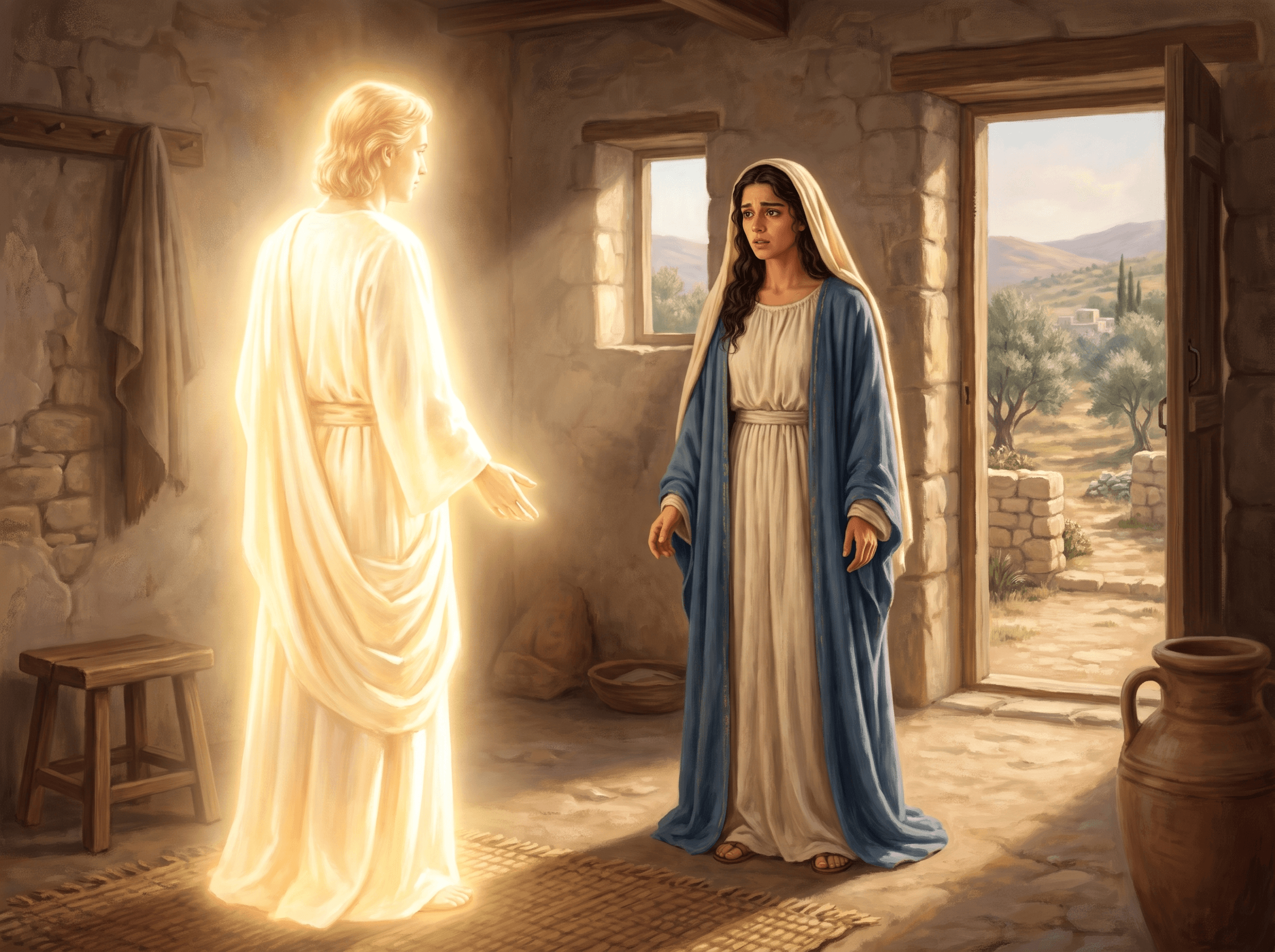
Illustrated scene from Mary, Jesus' mother's story: An Angel Visits Mary (Luke 1:26–38)
Meet the people of the Bible
Follow their lives in order, with illustrated scenes and Bible passages that tell their stories.
 Mary, Jesus' mother
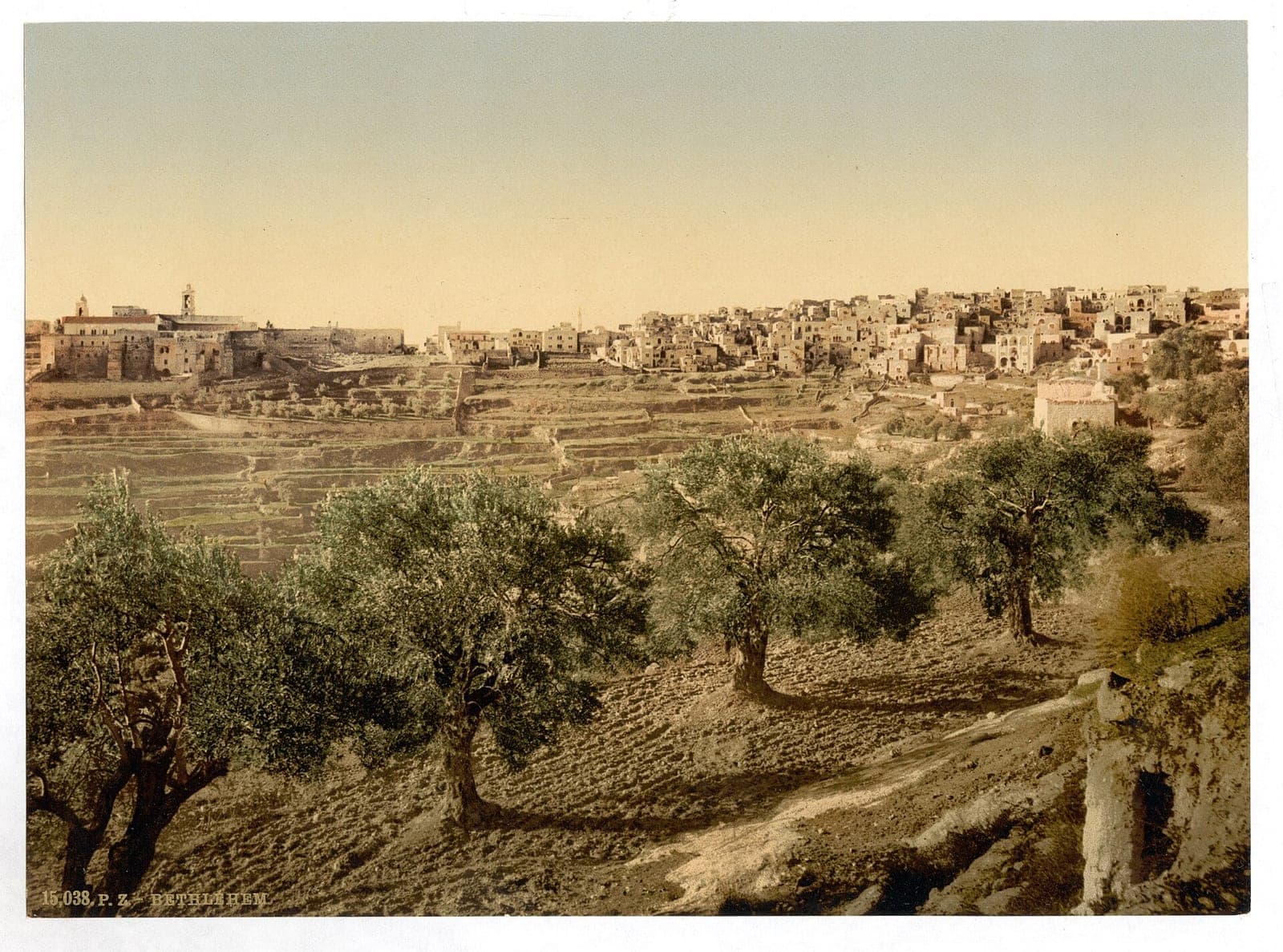
Photo: Photochrom print, Library of Congress Prints and Photographs Division (LCCN 2002724966). License: Public domain in the United States; Library of Congress states no known restrictions on publication. Source. Location: Bethlehem, West Bank; print preserved by the Library of Congress. Resized for the web.
Explore the places of the Bible
See where biblical events happened, why each place matters, and what archaeology helps us understand.
Bethlehem
David's hometown, and the town where Jesus was born.
Get full access with one subscription
Explore the people and places of the Bible. Read summaries of every book, with images and clear explanations covering every chapter. Access all these features and our Bible study tools with one subscription.
See PlansAsk AI about Luke 10:35
Ask a question about this verse and get a clear answer, with Bible references you can read for yourself.
Every Bible book, explained chapter by chapter
Explore summaries of every book of the Bible, with images and easy-to-understand explanations covering every chapter.
Keep studying Luke 10:35
Related Bible verses
Key themes
Related topics
At a Glance — the Book of Luke
- Author
- Luke the physician
- Written
- Around AD 60-62
- Genre
- Gospel and history
- Original Audience
- Gentile Christians (addressed to Theophilus)
Frequently Asked Questions
Quick, clear answers about this verse
What does Luke 10:35 teach about helping others?
Luke 10:35 illustrates the importance of compassion and responsibility in helping those in need. The Good Samaritan not only cares for the injured man but also ensures he receives proper care by paying the innkeeper and promising to cover any additional expenses. This teaches us that true help goes beyond words; it involves taking actionable steps to support others, demonstrating selflessness and integrity.
How can I apply the message of Luke 10:35 in my life?
You can apply the message of Luke 10:35 by actively looking for ways to assist those around you who are struggling. This could mean offering financial help, volunteering your time, or simply being there for someone in need. It's important to follow through on your commitments and ensure that your support is meaningful, just as the Good Samaritan did.
What is the significance of the two denarii in this verse?
The two denarii in Luke 10:35 represent a tangible commitment to care for the injured man. This amount was sufficient to cover his immediate needs at the inn, showing that the Good Samaritan was willing to invest in the well-being of another person. It emphasizes the idea that helping others often requires a personal sacrifice, whether financial or otherwise.
What qualities does the Good Samaritan display in Luke 10:35?
In Luke 10:35, the Good Samaritan displays several admirable qualities: compassion for the injured man, responsibility in ensuring his care, selflessness by putting another's needs before his own, and integrity by promising to reimburse any additional costs. These qualities serve as a model for how we should treat others, regardless of their background.
Daily Verse — straight to your inbox
A verse and a 2-sentence plain-English explanation, every morning. Free. Unsubscribe anytime.