New Testament
Luke 11:5
Read the Bible in clear, modern English—easy to understand, faithful to the meaning, and written for everyday readers.
Then he said to them, "Imagine you go to a friend's house at midnight and say, 'Friend, lend me 3 loaves of bread.
Compare translations
And he said unto them, Which of you shall have a friend, and shall go unto him at midnight, and say unto him, Friend, lend me three loaves;
What Luke 11:5 means
Plain-English insight for readers
In this verse, Jesus uses a relatable scenario to illustrate the importance of persistence in prayer. He describes a situation where someone goes to a friend's house at midnight, asking for three loaves of bread. This request is made at an inconvenient time, highlighting the boldness and urgency of the person asking. The act of going to a friend at such an hour suggests a deep need, and it emphasizes the idea that true friendship involves helping one another, even when it is difficult. Jesus uses this story to teach that just as a friend may respond to a late-night request, God is also willing to respond to our prayers when we approach Him with sincerity and persistence. The underlying message is about the nature of prayer and the importance of not giving up when seeking help from God, reinforcing the idea that God is always available to meet our needs, no matter the time or circumstance.
How to apply Luke 11:5 to your life
When faced with challenges, we should not hesitate to approach God in prayer, even if it feels inconvenient or late. This verse encourages us to be persistent and bold in our requests, trusting that God hears us and is ready to respond to our needs.
Curated for this public verse page. Luke Summary
Explore more of the Bible
Learn the Bible through its people and places
Get to know the people in Scripture through illustrated stories, and explore the places where they lived and traveled.
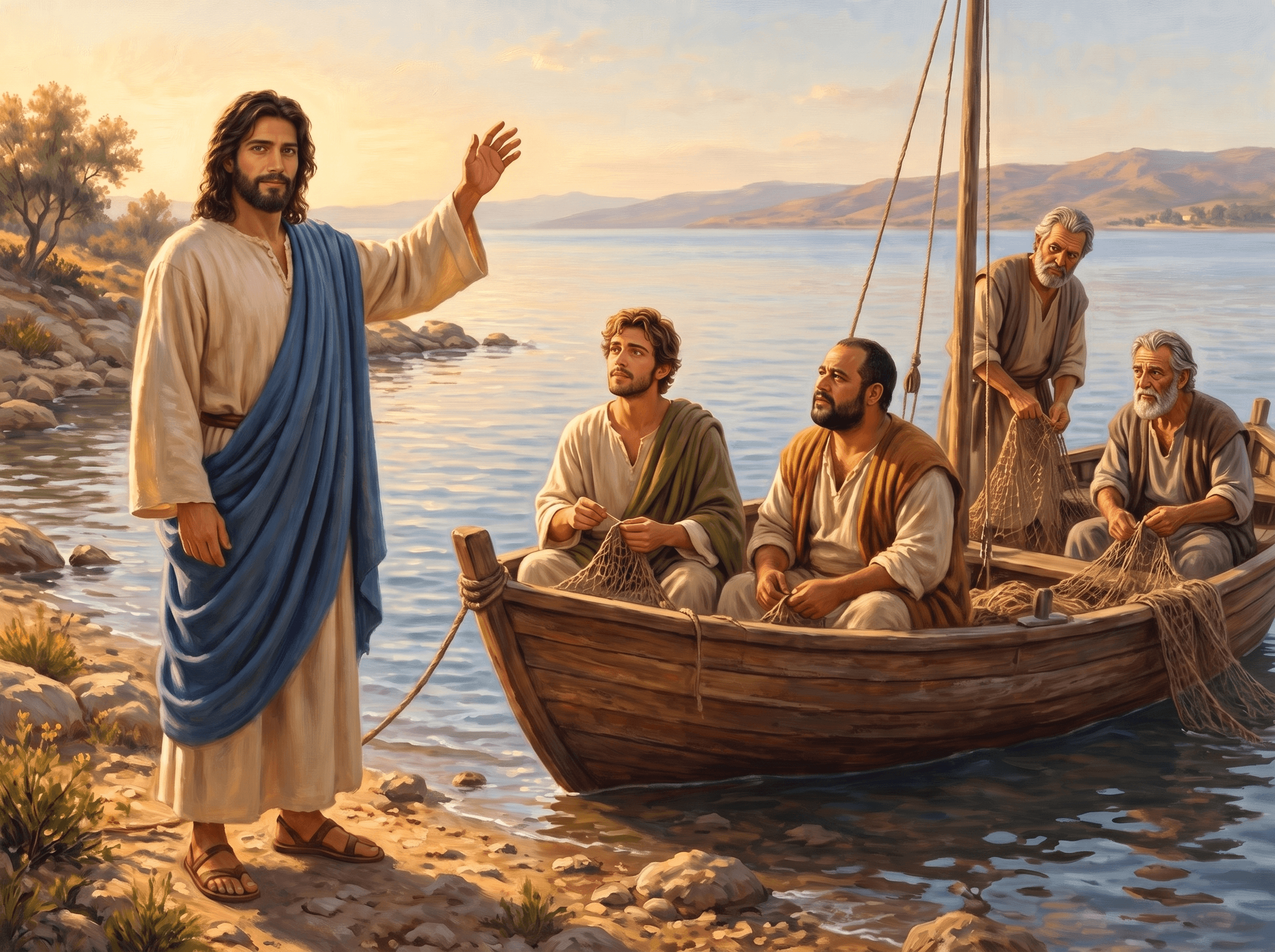
Illustrated scene from John the Apostle's story: Mending Their Nets (Mark 1:19–20)
Meet the people of the Bible
Follow their lives in order, with illustrated scenes and Bible passages that tell their stories.
 John the Apostle

Photo: Photochrom print, Library of Congress Prints and Photographs Division (LCCN 2002725045). License: Public domain in the United States; Library of Congress states no known restrictions on publication. Source. Location: Nazareth, Israel; print preserved by the Library of Congress. Resized for the web.
Explore the places of the Bible
See where biblical events happened, why each place matters, and what archaeology helps us understand.
Nazareth
The small town in Galilee where Jesus grew up.
Get full access with one subscription
Explore the people and places of the Bible. Read summaries of every book, with images and clear explanations covering every chapter. Access all these features and our Bible study tools with one subscription.
See PlansAsk AI about Luke 11:5
Ask a question about this verse and get a clear answer, with Bible references you can read for yourself.
Fuller verse explanations
Explore what a verse means, what was happening around it, and how it connects to other Bible passages.
Plain Meaning
Jesus opens a story with a question aimed at His disciples. He asks them to imagine going to a friend's house at midnight and knocking on the door to borrow three loaves of bread. The question is meant to make them think: what would happen if you showed up at that hour needing something? The story continues in the next verses, but this verse sets the scene — a person in need, a late hour, and a friend who might help.
Read It in Context
Jesus has just taught His disciples a prayer (verses 2-4). He then moves straight into this story to teach them something about asking. The story runs through verse 8, and verse 9 draws the lesson: ask, seek, knock.
The full Clear view adds what to notice, common misreadings, and the passage that best explains this one — for Luke 11:5 and any verse in the Bible.
Every Bible book, explained chapter by chapter
Explore summaries of every book of the Bible, with images and easy-to-understand explanations covering every chapter.
Keep studying Luke 11:5
Related Bible verses
Key themes
Related topics
At a Glance — the Book of Luke
- Author
- Luke the physician
- Written
- Around AD 60-62
- Genre
- Gospel and history
- Original Audience
- Gentile Christians (addressed to Theophilus)
Frequently Asked Questions
Quick, clear answers about this verse
What does Luke 11:5 teach about prayer?
Luke 11:5 illustrates the importance of persistence in prayer. Jesus uses the example of someone asking a friend for bread at midnight to show that we should approach God with boldness and urgency, especially in times of need. The verse encourages believers to be persistent in their requests, trusting that God is always willing to listen and respond.
Why did Jesus use a midnight scenario in this verse?
The midnight scenario in Luke 11:5 emphasizes the urgency and boldness of the request being made. By choosing an inconvenient time, Jesus highlights the depth of need and the willingness to seek help from a friend. This reflects how we should approach God in prayer, even when it feels uncomfortable or late, knowing that He is always available to help.
How can I apply Luke 11:5 in my daily life?
To apply Luke 11:5 in your daily life, practice being persistent in your prayers. When facing challenges or needs, don't hesitate to bring them before God, regardless of the timing. This verse encourages you to trust in God's willingness to help and to keep asking, seeking, and knocking, knowing that He hears you and cares for your needs.
Is there a deeper meaning behind the request for bread?
The request for bread in Luke 11:5 symbolizes our basic needs and the sustenance we seek in life. Bread is often seen as a staple food, representing physical and spiritual nourishment. This deeper meaning suggests that when we approach God in prayer, we are not only asking for our immediate needs but also seeking spiritual fulfillment and support in our lives.
Daily Verse — straight to your inbox
A verse and a 2-sentence plain-English explanation, every morning. Free. Unsubscribe anytime.