New Testament
Luke 12:59
Read the Bible in clear, modern English—easy to understand, faithful to the meaning, and written for everyday readers.
I tell you, you won't get out until you've paid back the very last penny."
Compare translations
I tell thee, thou shalt not depart thence, till thou hast paid the very last mite.
What Luke 12:59 means
Plain-English insight for readers
In this verse, Jesus emphasizes the importance of accountability and the consequences of our actions. He uses the metaphor of a debtor in prison to illustrate that one must fully settle their debts before being released. The 'last penny' or 'last mite' signifies that every small obligation matters. This teaching serves as a reminder that we cannot escape our responsibilities, whether they are financial, moral, or spiritual. It highlights the seriousness of our commitments and the need to address them fully. Jesus is urging his listeners to be mindful of their actions and the repercussions that follow, suggesting that unresolved issues can lead to prolonged consequences. This verse encourages self-reflection on how we handle our obligations and the importance of making amends before seeking freedom or peace in our lives.
How to apply Luke 12:59 to your life
This verse encourages us to take our responsibilities seriously. Whether in our finances, relationships, or commitments, we should strive to settle our debts and make amends. By doing so, we can find true freedom and peace, avoiding the burdens of unresolved issues in our lives.
Curated for this public verse page. Luke Summary
Explore more of the Bible
Learn the Bible through its people and places
Get to know the people in Scripture through illustrated stories, and explore the places where they lived and traveled.
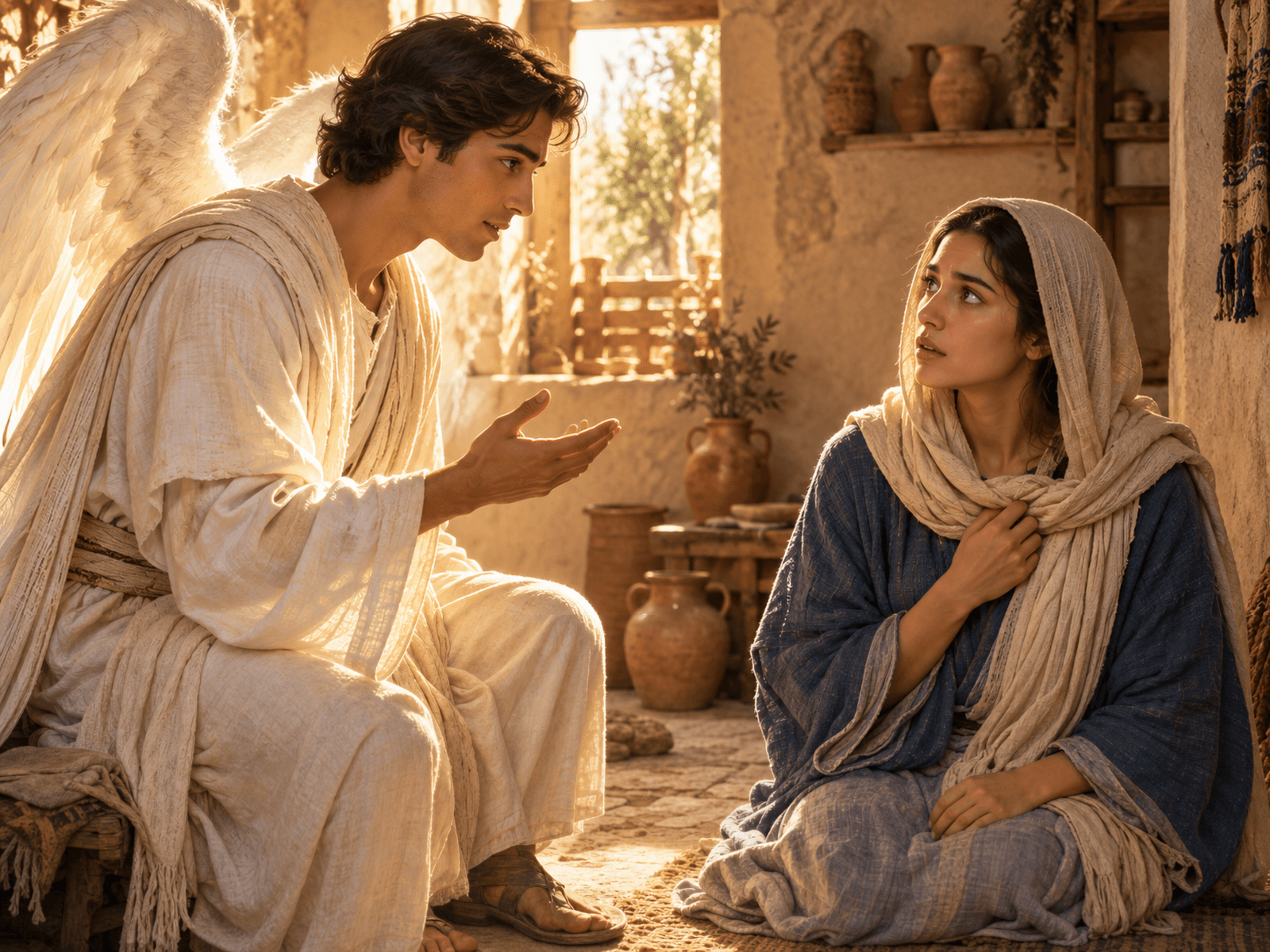
Illustrated scene from Jesus's story: An Angel Visits Mary (Luke 1:26–38)
Meet the people of the Bible
Follow their lives in order, with illustrated scenes and Bible passages that tell their stories.
 Jesus

Photo: zeevveez, via Wikimedia Commons. License: CC BY 2.0. Source. Location: Capernaum, on the northern shore of the Sea of Galilee. Resized for the web.
Explore the places of the Bible
See where biblical events happened, why each place matters, and what archaeology helps us understand.
Capernaum
Jesus' home base by the Sea of Galilee, and the town where Peter lived.
Get full access with one subscription
Explore the people and places of the Bible. Read summaries of every book, with images and clear explanations covering every chapter. Access all these features and our Bible study tools with one subscription.
See PlansAsk AI about Luke 12:59
Ask a question about this verse and get a clear answer, with Bible references you can read for yourself.
Every Bible book, explained chapter by chapter
Explore summaries of every book of the Bible, with images and easy-to-understand explanations covering every chapter.
Keep studying Luke 12:59
Related Bible verses
Key themes
Related topics
At a Glance — the Book of Luke
- Author
- Luke the physician
- Written
- Around AD 60-62
- Genre
- Gospel and history
- Original Audience
- Gentile Christians (addressed to Theophilus)
Frequently Asked Questions
Quick, clear answers about this verse
What does Luke 12:59 mean?
Luke 12:59 emphasizes the importance of settling debts and being accountable for our actions. Jesus uses the metaphor of a debtor in prison to illustrate that one must fully address their obligations before being released.
What is the significance of 'last penny' in Luke 12:59?
The 'last penny' signifies that even the smallest obligations matter. It highlights the idea that all debts, whether financial or moral, must be settled completely.
How does Luke 12:59 relate to personal responsibility?
Luke 12:59 relates to personal responsibility by urging individuals to take their commitments seriously. It encourages making amends and settling debts to find true freedom and peace.
What lessons can we learn from Luke 12:59?
From Luke 12:59, we learn the importance of addressing our responsibilities fully. It teaches that neglecting our obligations can lead to ongoing issues and emphasizes the need for accountability.
Daily Verse — straight to your inbox
A verse and a 2-sentence plain-English explanation, every morning. Free. Unsubscribe anytime.