New Testament
Luke 16:21
Read the Bible in clear, modern English—easy to understand, faithful to the meaning, and written for everyday readers.
Lazarus longed to eat the crumbs that fell from the rich man's table. Additionally, dogs came and licked his sores.
Compare translations
And desiring to be fed with the crumbs which fell from the rich man’s table: moreover the dogs came and licked his sores.
What Luke 16:21 means
Plain-English insight for readers
In this verse, we see Lazarus, a poor man, who is in desperate need of food. He longs for even the crumbs that fall from the table of a wealthy man, indicating his extreme poverty and hunger. The imagery of dogs licking his sores adds to the picture of his suffering and neglect. This contrast between the rich man and Lazarus highlights the social injustices of the time, where the rich live in luxury while the poor suffer. Lazarus's longing for crumbs symbolizes the basic human need for sustenance and care, which he is denied. This scene sets the stage for the larger narrative about wealth, compassion, and the afterlife, emphasizing the moral responsibility of those who have much to care for those who have little. It invites readers to reflect on their own attitudes towards wealth and poverty, and the importance of compassion in our interactions with others.
How to apply Luke 16:21 to your life
This verse challenges us to examine our attitudes towards those in need. It encourages us to be more compassionate and aware of the struggles of the less fortunate. We should strive to help those who are suffering and ensure that we do not overlook their basic needs.
Curated for this public verse page. Luke Summary
Explore more of the Bible
Learn the Bible through its people and places
Get to know the people in Scripture through illustrated stories, and explore the places where they lived and traveled.

Illustrated scene from John the Apostle's story: Mending Their Nets (Mark 1:19–20)
Meet the people of the Bible
Follow their lives in order, with illustrated scenes and Bible passages that tell their stories.
 John the Apostle
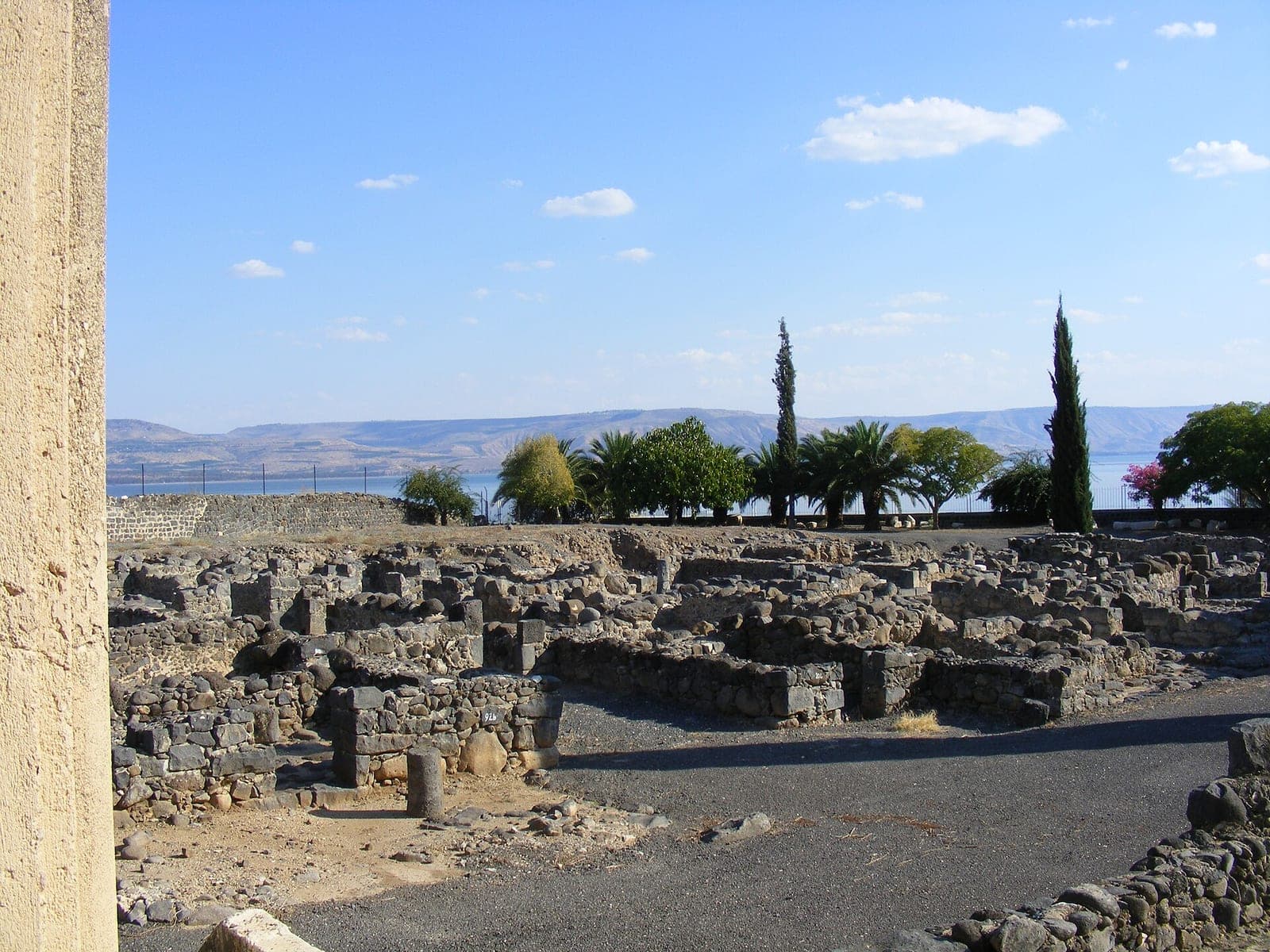
Photo: zeevveez, via Wikimedia Commons. License: CC BY 2.0. Source. Location: Capernaum, on the northern shore of the Sea of Galilee. Resized for the web.
Explore the places of the Bible
See where biblical events happened, why each place matters, and what archaeology helps us understand.
Capernaum
Jesus' home base by the Sea of Galilee, and the town where Peter lived.
Get full access with one subscription
Explore the people and places of the Bible. Read summaries of every book, with images and clear explanations covering every chapter. Access all these features and our Bible study tools with one subscription.
See PlansAsk AI about Luke 16:21
Ask a question about this verse and get a clear answer, with Bible references you can read for yourself.
Every Bible book, explained chapter by chapter
Explore summaries of every book of the Bible, with images and easy-to-understand explanations covering every chapter.
Keep studying Luke 16:21
Related Bible verses
Key themes
Related topics
At a Glance — the Book of Luke
- Author
- Luke the physician
- Written
- Around AD 60-62
- Genre
- Gospel and history
- Original Audience
- Gentile Christians (addressed to Theophilus)
Frequently Asked Questions
Quick, clear answers about this verse
What does Luke 16:21 mean?
Luke 16:21 describes Lazarus, a poor man who longs for the scraps from a rich man's table, highlighting his extreme hunger and suffering. This verse illustrates the stark contrast between wealth and poverty, emphasizing the neglect faced by those in need.
What is the significance of Lazarus in Luke 16:21?
Lazarus represents the marginalized and suffering individuals in society. His longing for crumbs symbolizes the basic human need for care and sustenance, which he is denied, drawing attention to social injustices.
What does the imagery of dogs in Luke 16:21 represent?
The dogs licking Lazarus's sores adds to the depiction of his misery and neglect. This imagery emphasizes his suffering and the lack of compassion from those around him, reinforcing the theme of social injustice.
What themes are present in Luke 16:21?
Key themes in Luke 16:21 include poverty, compassion, social injustice, and neglect. The verse invites reflection on the responsibilities of the wealthy towards the less fortunate.
Daily Verse — straight to your inbox
A verse and a 2-sentence plain-English explanation, every morning. Free. Unsubscribe anytime.