New Testament
Luke 16:9
Read the Bible in clear, modern English—easy to understand, faithful to the meaning, and written for everyday readers.
And I tell you, make friends for yourselves with the mammon of unrighteousness, so that when you fail, they may welcome you into everlasting dwellings.
Compare translations
And I say unto you, Make to yourselves friends of the mammon of unrighteousness; that, when ye fail, they may receive you into everlasting habitations.
What Luke 16:9 means
Plain-English insight for readers
In this verse, Jesus advises His followers to use their wealth, referred to as 'mammon of unrighteousness,' to build relationships and help others. The idea is that by being generous and kind with their resources, they can create bonds that will benefit them in the afterlife. When they face difficulties or 'fail' in this life, these friendships and acts of kindness will lead to a warm welcome in eternal life. This teaching emphasizes the importance of using material possessions not just for personal gain but to foster community and support, suggesting that our actions with money can have lasting spiritual significance.
How to apply Luke 16:9 to your life
Consider how you can use your resources to help others and build meaningful relationships. Look for opportunities to be generous, whether through financial support, time, or acts of kindness, knowing that these actions can have a lasting impact on your life and the lives of others.
Curated for this public verse page. Luke Summary
Explore more of the Bible
Learn the Bible through its people and places
Get to know the people in Scripture through illustrated stories, and explore the places where they lived and traveled.
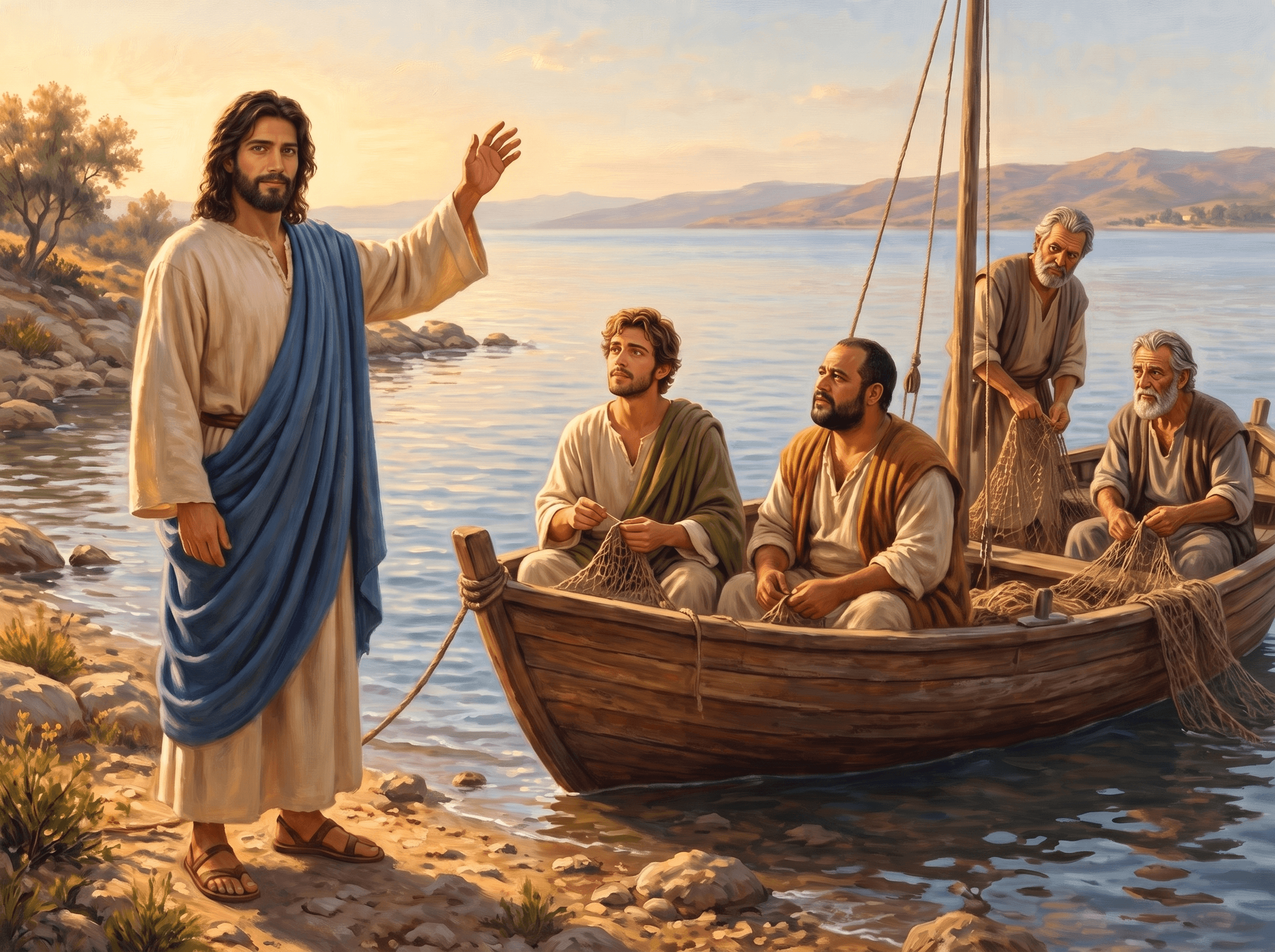
Illustrated scene from John the Apostle's story: Mending Their Nets (Mark 1:19–20)
Meet the people of the Bible
Follow their lives in order, with illustrated scenes and Bible passages that tell their stories.
 John the Apostle

Photo: zeevveez, via Wikimedia Commons. License: CC BY 2.0. Source. Location: Capernaum, on the northern shore of the Sea of Galilee. Resized for the web.
Explore the places of the Bible
See where biblical events happened, why each place matters, and what archaeology helps us understand.
Capernaum
Jesus' home base by the Sea of Galilee, and the town where Peter lived.
Get full access with one subscription
Explore the people and places of the Bible. Read summaries of every book, with images and clear explanations covering every chapter. Access all these features and our Bible study tools with one subscription.
See PlansAsk AI about Luke 16:9
Ask a question about this verse and get a clear answer, with Bible references you can read for yourself.
Every Bible book, explained chapter by chapter
Explore summaries of every book of the Bible, with images and easy-to-understand explanations covering every chapter.
Keep studying Luke 16:9
Related Bible verses
Key themes
Related topics
At a Glance — the Book of Luke
- Author
- Luke the physician
- Written
- Around AD 60-62
- Genre
- Gospel and history
- Original Audience
- Gentile Christians (addressed to Theophilus)
Frequently Asked Questions
Quick, clear answers about this verse
What does Luke 16:9 mean?
Luke 16:9 advises believers to use their wealth wisely by helping others and forming friendships. This generosity is seen as a way to secure a positive reception in the afterlife.
What is the meaning of 'mammon of unrighteousness' in Luke 16:9?
'Mammon of unrighteousness' refers to wealth or material possessions that are often associated with greed or unethical behavior. Jesus encourages using such wealth for good, fostering relationships that can lead to spiritual rewards.
How can I apply Luke 16:9 in my life?
You can apply Luke 16:9 by looking for ways to use your resources to help others, whether through financial support, volunteering, or acts of kindness. Building meaningful connections through generosity can enrich your life and the lives of those around you.
What does 'everlasting dwellings' mean in Luke 16:9?
'Everlasting dwellings' refers to the eternal life or spiritual rewards that await believers after death. The verse suggests that the friendships and kindness shown in this life can lead to a welcoming reception in the afterlife.
Daily Verse — straight to your inbox
A verse and a 2-sentence plain-English explanation, every morning. Free. Unsubscribe anytime.