New Testament
Luke 19:5
Read the Bible in clear, modern English—easy to understand, faithful to the meaning, and written for everyday readers.
When Jesus reached the place, he looked up and said, 'Zacchaeus, hurry and come down, for today I must stay at your house.'
Compare translations
And when Jesus came to the place, he looked up, and saw him, and said unto him, Zacchaeus, make haste, and come down; for to day I must abide at thy house.
What Luke 19:5 means
Plain-English insight for readers
In this verse, Jesus arrives at a location where Zacchaeus, a tax collector, is perched in a tree to see Him. Jesus looks up and calls Zacchaeus by name, showing His personal knowledge and care for him. He instructs Zacchaeus to come down quickly because He intends to stay at his house that day. This moment is significant as it highlights Jesus' willingness to associate with someone considered a sinner and outcast. By choosing to visit Zacchaeus, Jesus demonstrates His mission to seek and save the lost, emphasizing that no one is beyond redemption. The urgency in Jesus' words, 'hurry and come down,' reflects the importance of responding to His call without delay. This encounter not only transforms Zacchaeus' life but also illustrates the grace and acceptance that Jesus offers to all, regardless of their past actions or societal status.
How to apply Luke 19:5 to your life
This verse encourages us to be open to Jesus' call in our lives, no matter our past. It reminds us that Jesus seeks relationships with everyone, including those society may overlook. We should respond quickly to His invitation for change and transformation.
Curated for this public verse page. Luke Summary
Learn the Bible through its people and places
Get to know the people in Scripture through illustrated stories, and explore the places where they lived and traveled.

Illustrated scene from Jesus's story: Zacchaeus (Luke 19:1–10)
Meet the people of the Bible
Follow their lives in order, with illustrated scenes and Bible passages that tell their stories.
 Jesus
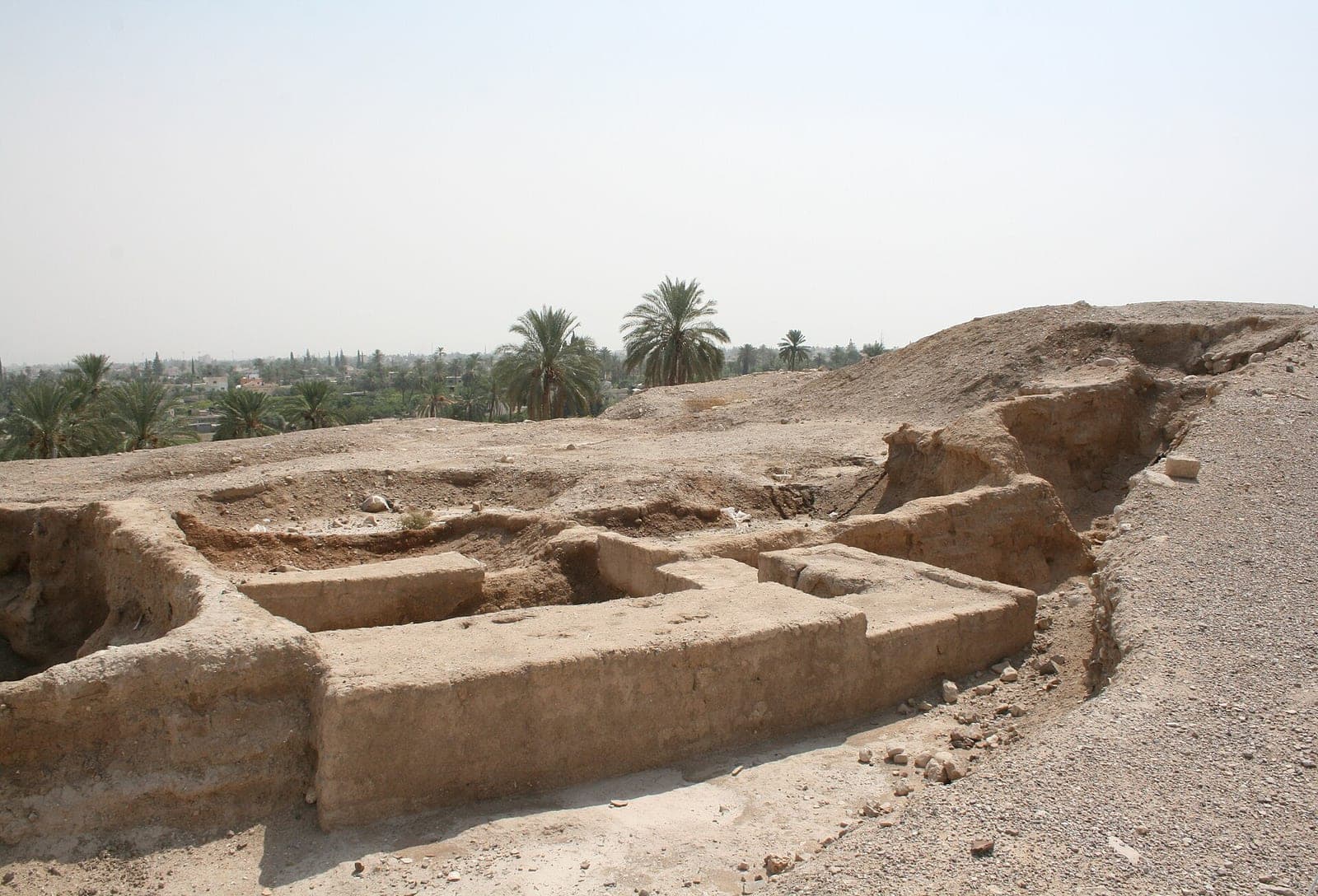
Photo: Diego Delso, via Wikimedia Commons. License: CC BY-SA 3.0. Source. Location: Tell es-Sultan, Jericho, West Bank. Resized for the web.
Explore the places of the Bible
See where biblical events happened, why each place matters, and what archaeology helps us understand.
Jericho
The city of palm trees, whose walls fell in Joshua's day.
Get full access with one subscription
Explore the people and places of the Bible. Read summaries of every book, with images and clear explanations covering every chapter. Access all these features and our Bible study tools with one subscription.
See PlansAsk AI about Luke 19:5
Ask a question about this verse and get a clear answer, with Bible references you can read for yourself.
Every Bible book, explained chapter by chapter
Explore summaries of every book of the Bible, with images and easy-to-understand explanations covering every chapter.
Keep studying Luke 19:5
Related Bible verses
Key themes
Related topics
At a Glance — the Book of Luke
- Author
- Luke the physician
- Written
- Around AD 60-62
- Genre
- Gospel and history
- Original Audience
- Gentile Christians (addressed to Theophilus)
Frequently Asked Questions
Quick, clear answers about this verse
What does Luke 19:5 mean?
Luke 19:5 describes Jesus calling Zacchaeus, a tax collector, to come down from a tree because He wants to stay at his house. This shows Jesus' personal care and willingness to associate with those considered outcasts.
Why did Jesus call Zacchaeus by name in Luke 19:5?
By calling Zacchaeus by name, Jesus shows His personal knowledge and connection with him, emphasizing that He cares for individuals and recognizes their unique circumstances.
What does 'hurry and come down' imply in this verse?
The phrase 'hurry and come down' reflects the urgency of responding to Jesus' call, suggesting that immediate action is important when invited to change and transformation.
How does Luke 19:5 relate to themes of redemption?
Luke 19:5 illustrates redemption by showing that Jesus reaches out to Zacchaeus, a sinner, indicating that no one is beyond the possibility of change and acceptance in His eyes.
Daily Verse — straight to your inbox
A verse and a 2-sentence plain-English explanation, every morning. Free. Unsubscribe anytime.