New Testament
Luke 8:15
Read the Bible in clear, modern English—easy to understand, faithful to the meaning, and written for everyday readers.
But the seed on good soil represents people with an honest and good heart who hear the word, hold on to it, and produce fruit through patience."
Compare translations
But that on the good ground are they, which in an honest and good heart, having heard the word, keep it, and bring forth fruit with patience.
What Luke 8:15 means
Plain-English insight for readers
In this verse, Jesus explains the parable of the sower, focusing on the seed that falls on good soil. This good soil symbolizes individuals who possess a sincere and receptive heart. They not only hear the message of God but also embrace it deeply. Their honest and good hearts allow them to retain the teachings and apply them in their lives. The result of this is a fruitful life, characterized by patience and perseverance. This means that true understanding and acceptance of God's word lead to positive actions and spiritual growth over time. The emphasis on patience highlights that spiritual maturity and the production of good deeds do not happen overnight; they require time and dedication. This verse encourages believers to cultivate their hearts to be receptive to God's word, ensuring that they can grow and bear fruit in their lives.
How to apply Luke 8:15 to your life
To apply this verse, focus on nurturing your heart to be receptive to God's teachings. Spend time in prayer and reflection, allowing the word to take root in your life. Be patient as you grow spiritually, trusting that your efforts will lead to positive outcomes over time.
Curated for this public verse page. Luke Summary
Learn the Bible through its people and places
Get to know the people in Scripture through illustrated stories, and explore the places where they lived and traveled.
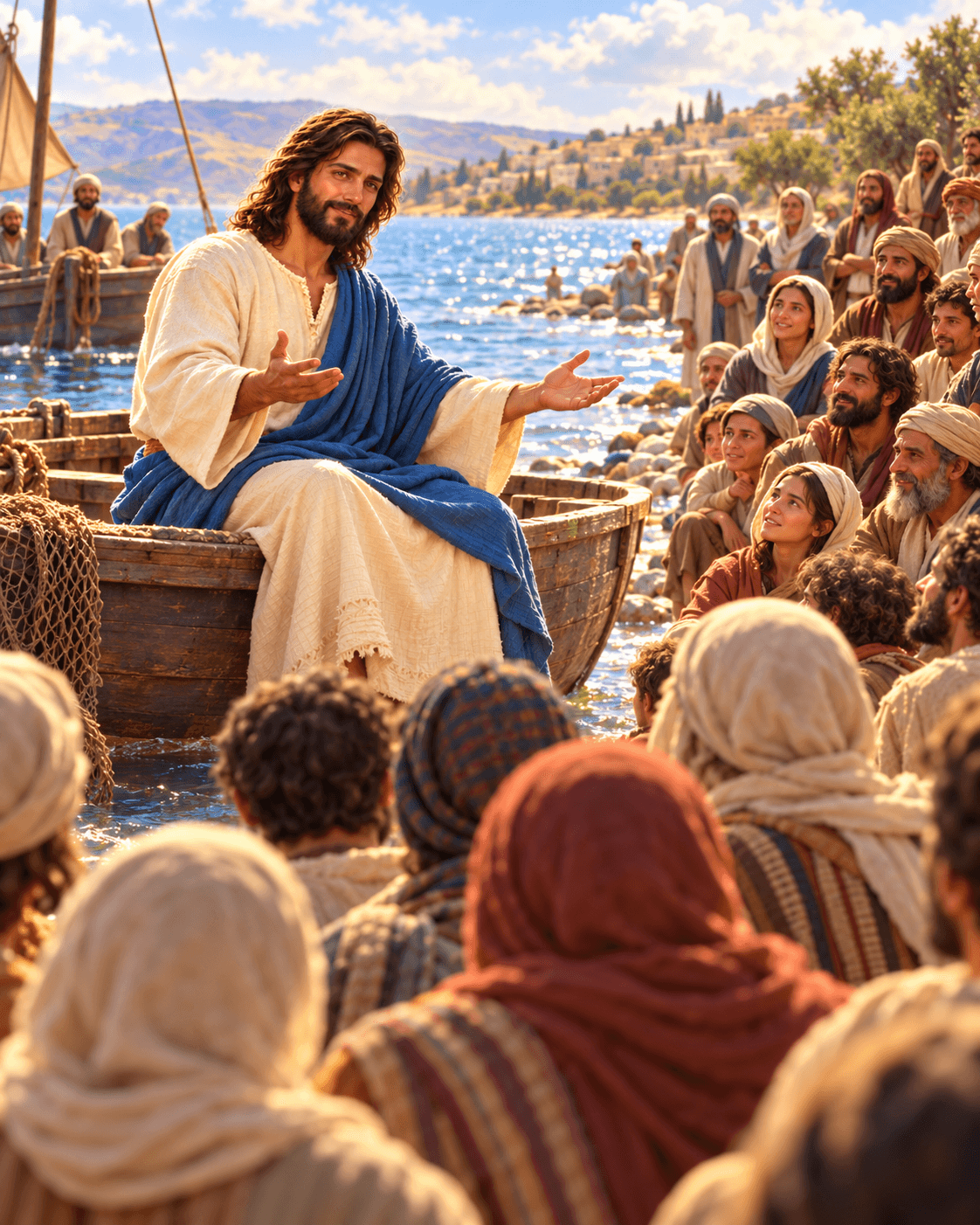
Illustrated scene from Jesus's story: Parables by the Sea (Luke 8:4–18)
Meet the people of the Bible
Follow their lives in order, with illustrated scenes and Bible passages that tell their stories.
 Jesus

Photo: Gary Todd (Gary Lee Todd, Ph.D.), via Wikimedia Commons. License: CC0 1.0 Universal Public Domain Dedication. Source. Location: Southern end of the Temple Mount, Jerusalem Old City. Resized for the web.
Explore the places of the Bible
See where biblical events happened, why each place matters, and what archaeology helps us understand.
Jerusalem
David's capital, the city of the temple, and the place where Jesus died and rose again.
Get full access with one subscription
Explore the people and places of the Bible. Read summaries of every book, with images and clear explanations covering every chapter. Access all these features and our Bible study tools with one subscription.
See PlansAsk AI about Luke 8:15
Ask a question about this verse and get a clear answer, with Bible references you can read for yourself.
Fuller verse explanations
Explore what a verse means, what was happening around it, and how it connects to other Bible passages.
Plain Meaning
Jesus explains the fourth type of soil in his parable. The good ground stands for people who hear the word of God and hold onto it with an honest and good heart. They do not just hear and forget, or hear and quit when things get hard. They keep the word and bring forth fruit — but this happens with patience, not all at once.
Read It in Context
Jesus is explaining the parable of the sower to his disciples. The seed is the word of God (verse 11). The three soils before this one all fail: the path, the rock, and the thorns. This verse describes the only soil where the word fully works.
The full Clear view adds what to notice, common misreadings, and the passage that best explains this one — for Luke 8:15 and any verse in the Bible.
Every Bible book, explained chapter by chapter
Explore summaries of every book of the Bible, with images and easy-to-understand explanations covering every chapter.
Keep studying Luke 8:15
Key themes
Related topics
At a Glance — the Book of Luke
- Author
- Luke the physician
- Written
- Around AD 60-62
- Genre
- Gospel and history
- Original Audience
- Gentile Christians (addressed to Theophilus)
Frequently Asked Questions
Quick, clear answers about this verse
What does the good soil represent in Luke 8:15?
In Luke 8:15, the good soil represents individuals who have an honest and good heart. These people are receptive to God's word, actively listen to it, and embrace its teachings. Their sincere hearts allow them to retain the message and apply it in their lives, leading to spiritual growth and positive actions over time.
How can I cultivate a good heart according to Luke 8:15?
To cultivate a good heart as described in Luke 8:15, focus on being honest and open to God's teachings. Engage in regular prayer and meditation on scripture, allowing the word to penetrate your heart. Reflect on your attitudes and behaviors, seeking to align them with God's principles. Surround yourself with supportive community and teachings that encourage spiritual growth.
Why is patience emphasized in Luke 8:15?
Patience is emphasized in Luke 8:15 because spiritual growth and the bearing of fruit do not happen instantly. Just like a seed takes time to grow into a fruitful plant, believers must be patient as they nurture their faith and apply God's teachings. This patience allows for deeper understanding and lasting change, leading to a more fruitful and fulfilling spiritual life.
How does Luke 8:15 relate to everyday life?
Luke 8:15 relates to everyday life by encouraging individuals to be receptive to positive influences and teachings. It highlights the importance of having a sincere heart and being patient in personal growth. By applying the principles of this verse, one can cultivate a mindset that embraces learning, fosters resilience, and ultimately leads to a more fruitful and meaningful life.
Daily Verse — straight to your inbox
A verse and a 2-sentence plain-English explanation, every morning. Free. Unsubscribe anytime.