New Testament
Luke 9:56
Read the Bible in clear, modern English—easy to understand, faithful to the meaning, and written for everyday readers.
"The Son of Man didn't come to destroy people's lives but to save them." Then they moved on to another village.
Compare translations
For the Son of man is not come to destroy men’s lives, but to save them. And they went to another village.
What Luke 9:56 means
Plain-English insight for readers
In this verse, Jesus emphasizes His mission on Earth. He clarifies that His purpose is not to bring destruction or judgment upon people, but rather to offer salvation and hope. This statement comes after His disciples, frustrated by rejection, suggested calling down fire on a Samaritan village. Jesus redirects their focus, highlighting that His role is to save lives, not to condemn them. This moment illustrates the heart of Jesus' ministry, which is rooted in love and compassion. Instead of retaliating against those who oppose Him, He chooses to move on peacefully, demonstrating patience and understanding. This verse serves as a reminder of the importance of grace and mercy in our interactions with others, encouraging us to reflect Christ's love in our own lives.
How to apply Luke 9:56 to your life
As followers of Christ, we are called to embody His mission of saving rather than condemning. In our daily interactions, we should strive to show compassion and understanding, even towards those who may reject or oppose us. This approach fosters a spirit of love and reconciliation.
Curated for this public verse page. Luke Summary
Learn the Bible through its people and places
Get to know the people in Scripture through illustrated stories, and explore the places where they lived and traveled.

Illustrated scene from Jesus's story: Setting Out for Jerusalem (Luke 9:51–62)
Meet the people of the Bible
Follow their lives in order, with illustrated scenes and Bible passages that tell their stories.
 Jesus
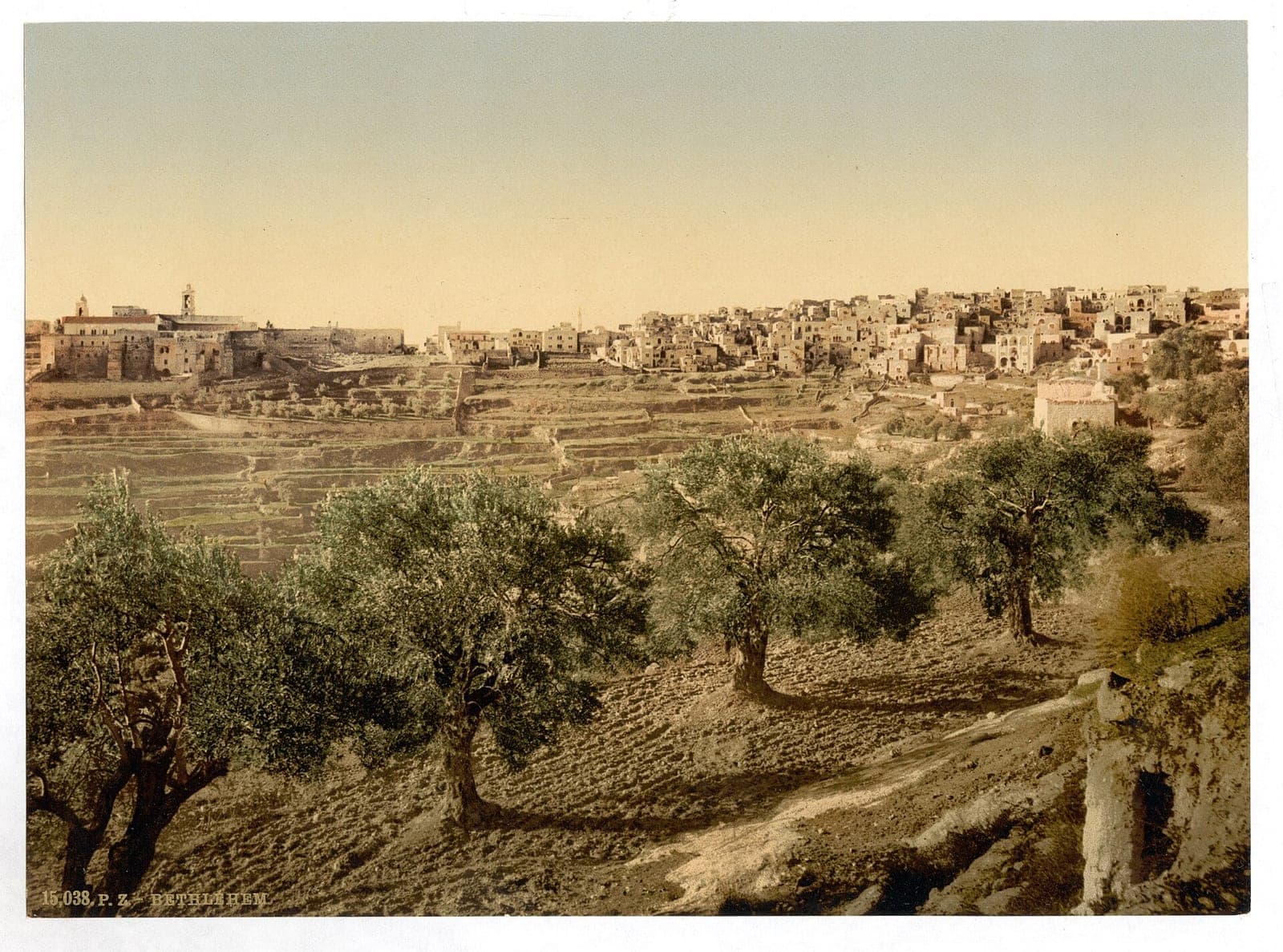
Photo: Photochrom print, Library of Congress Prints and Photographs Division (LCCN 2002724966). License: Public domain in the United States; Library of Congress states no known restrictions on publication. Source. Location: Bethlehem, West Bank; print preserved by the Library of Congress. Resized for the web.
Explore the places of the Bible
See where biblical events happened, why each place matters, and what archaeology helps us understand.
Bethlehem
David's hometown, and the town where Jesus was born.
Get full access with one subscription
Explore the people and places of the Bible. Read summaries of every book, with images and clear explanations covering every chapter. Access all these features and our Bible study tools with one subscription.
See PlansAsk AI about Luke 9:56
Ask a question about this verse and get a clear answer, with Bible references you can read for yourself.
Every Bible book, explained chapter by chapter
Explore summaries of every book of the Bible, with images and easy-to-understand explanations covering every chapter.
Keep studying Luke 9:56
Related Bible verses
Key themes
Related topics
At a Glance — the Book of Luke
- Author
- Luke the physician
- Written
- Around AD 60-62
- Genre
- Gospel and history
- Original Audience
- Gentile Christians (addressed to Theophilus)
Frequently Asked Questions
Quick, clear answers about this verse
What does Luke 9:56 mean about Jesus' mission?
In Luke 9:56, Jesus clarifies that His purpose on Earth is to save lives rather than to destroy them. This statement comes in response to His disciples' desire to retaliate against a Samaritan village that rejected them. Jesus emphasizes compassion and mercy, highlighting that His ministry is focused on offering salvation and hope rather than judgment. This verse encapsulates the essence of Jesus' mission, which is rooted in love and understanding.
Why did Jesus refuse to call down fire on the Samaritan village?
Jesus refused to call down fire on the Samaritan village because His mission was to save, not to destroy. His disciples, frustrated by the rejection they faced, suggested a violent response. However, Jesus redirected their focus towards compassion and patience, demonstrating that His approach to opposition is rooted in love and mercy. This teaches us the importance of responding to rejection with grace rather than aggression.
How can we apply Luke 9:56 in our daily lives?
We can apply Luke 9:56 by embodying Jesus' mission of compassion and understanding in our interactions. Instead of reacting with anger or judgment towards those who oppose us, we should strive to show love and forgiveness. This means being patient with others, offering grace in difficult situations, and focusing on reconciliation rather than retaliation. By doing so, we reflect Christ's love and contribute to a more peaceful and understanding community.
What does this verse teach about forgiveness?
Luke 9:56 teaches that forgiveness is central to Jesus' message. Rather than seeking revenge or holding onto anger when faced with rejection, Jesus exemplifies the importance of letting go and moving forward with love. This encourages us to practice forgiveness in our own lives, recognizing that everyone makes mistakes and that showing mercy can lead to healing and restoration in relationships.
Daily Verse — straight to your inbox
A verse and a 2-sentence plain-English explanation, every morning. Free. Unsubscribe anytime.