New Testament
Mark 14:21
Read the Bible in clear, modern English—easy to understand, faithful to the meaning, and written for everyday readers.
The Son of Man will go to his death just as the Scriptures say. But how terrible it will be for the man who betrays the Son of Man! It would have been better for that man if he had never been born."
Compare translations
The Son of man indeed goeth, as it is written of him: but woe to that man by whom the Son of man is betrayed! good were it for that man if he had never been born.
What Mark 14:21 means
Plain-English insight for readers
In this verse, Jesus is foretelling his impending death, which aligns with the prophecies found in the Scriptures. He emphasizes the gravity of betrayal, specifically pointing out the fate of the one who will betray him. The phrase 'woe to that man' indicates severe consequences for the betrayer, suggesting that it would have been better for him not to have existed at all. This highlights the seriousness of turning against someone who is innocent and good. The reference to the 'Son of Man' signifies Jesus' role as the Messiah, and his death is portrayed as a necessary part of God's plan. The stark warning serves as a reminder of the weight of our choices and the impact they can have on our lives and the lives of others.
How to apply Mark 14:21 to your life
This verse encourages us to reflect on our actions and their potential consequences. It serves as a reminder to remain faithful and not betray those who trust us. We should strive to act with integrity and consider the impact of our choices on others.
Curated for this public verse page. Mark Summary
Learn the Bible through its people and places
Get to know the people in Scripture through illustrated stories, and explore the places where they lived and traveled.
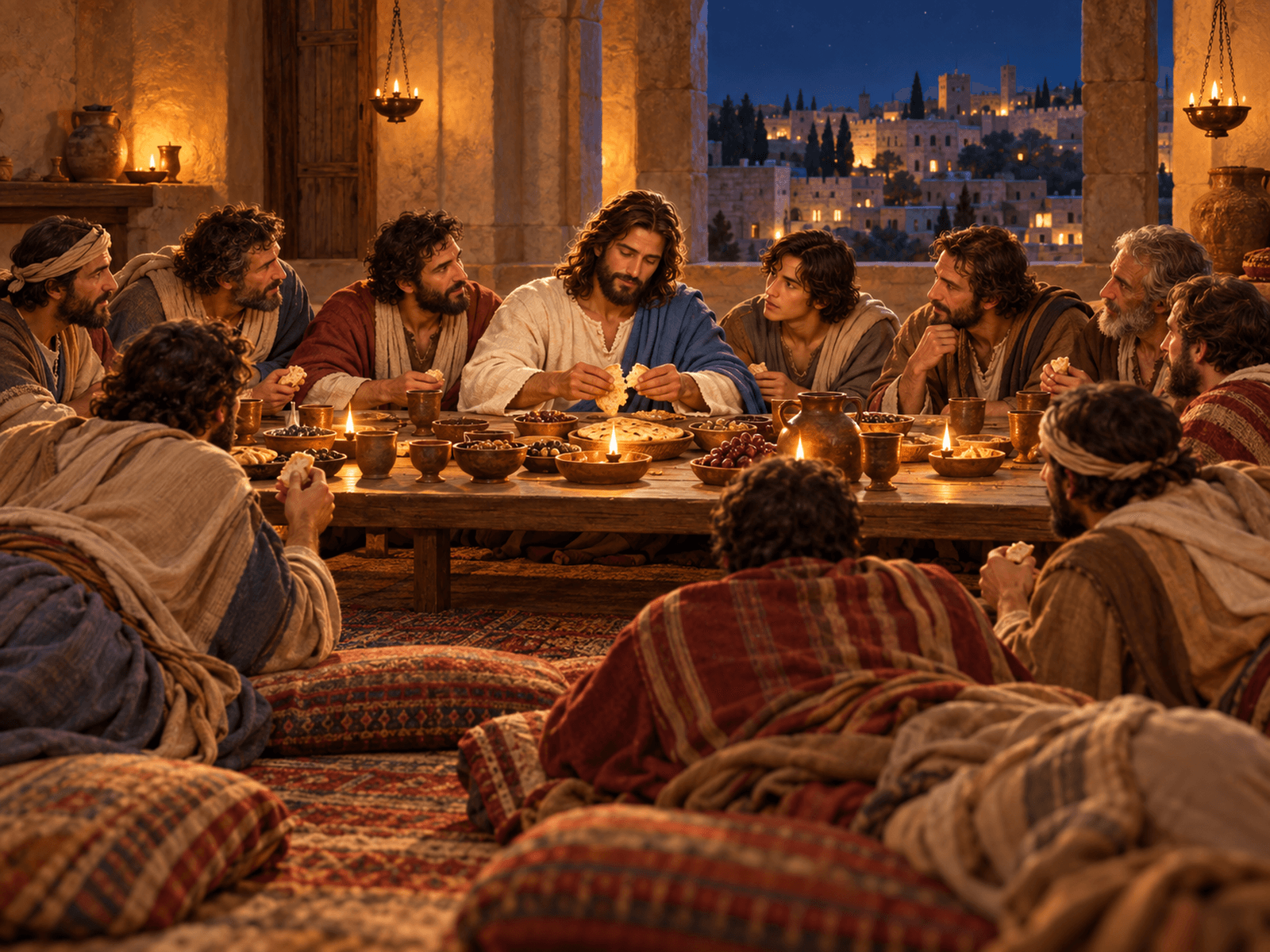
Illustrated scene from Jesus's story: The Last Supper (Mark 14:12–26)
Meet the people of the Bible
Follow their lives in order, with illustrated scenes and Bible passages that tell their stories.
 Jesus
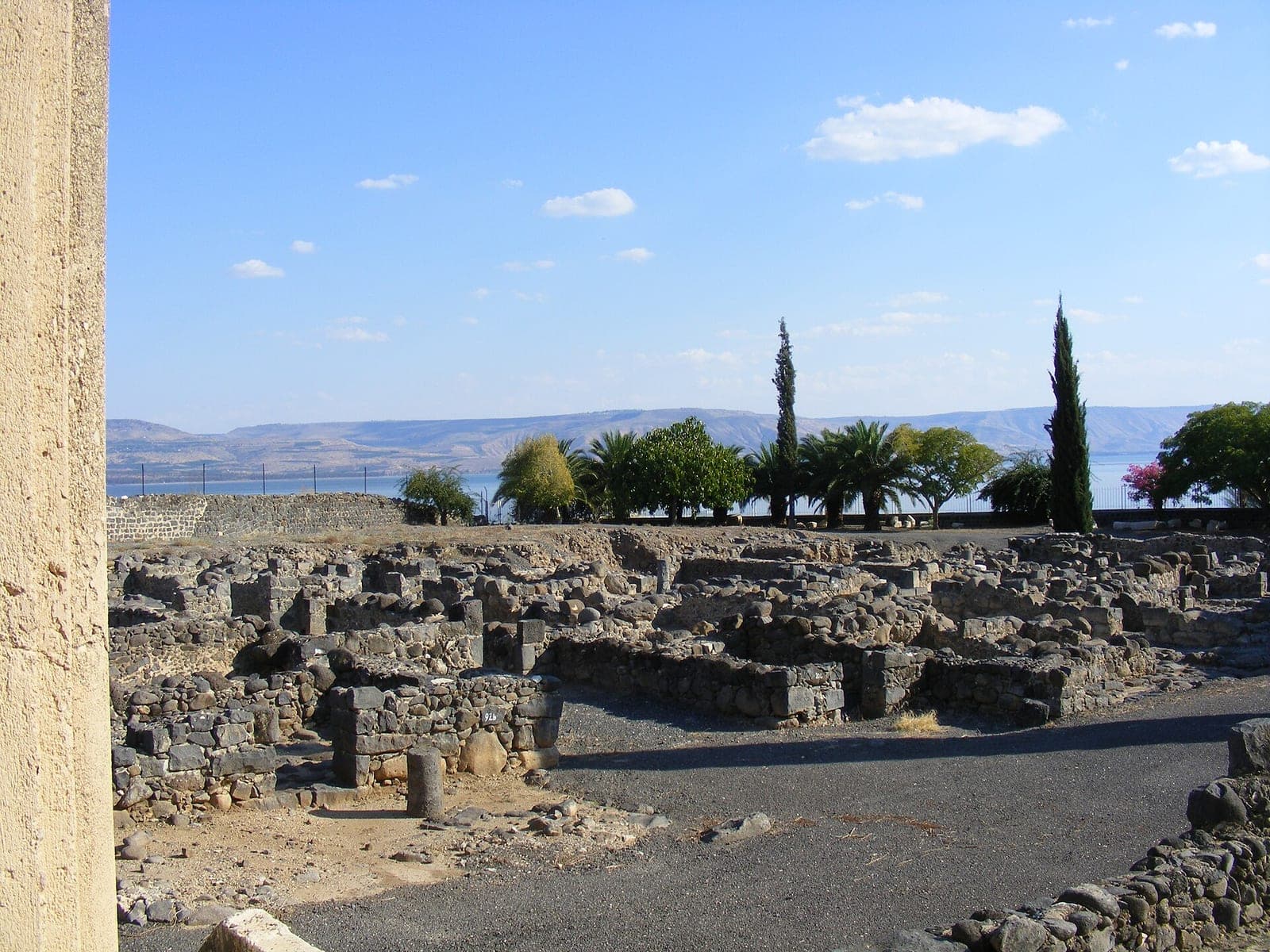
Photo: zeevveez, via Wikimedia Commons. License: CC BY 2.0. Source. Location: Capernaum, on the northern shore of the Sea of Galilee. Resized for the web.
Explore the places of the Bible
See where biblical events happened, why each place matters, and what archaeology helps us understand.
Capernaum
Jesus' home base by the Sea of Galilee, and the town where Peter lived.
Get full access with one subscription
Explore the people and places of the Bible. Read summaries of every book, with images and clear explanations covering every chapter. Access all these features and our Bible study tools with one subscription.
See PlansAsk AI about Mark 14:21
Ask a question about this verse and get a clear answer, with Bible references you can read for yourself.
Every Bible book, explained chapter by chapter
Explore summaries of every book of the Bible, with images and easy-to-understand explanations covering every chapter.
Keep studying Mark 14:21
Related Bible verses
Related topics
At a Glance — the Book of Mark
- Author
- John Mark
- Written
- Around AD 55-65
- Genre
- Gospel
- Original Audience
- Roman and Gentile Christians
Frequently Asked Questions
Quick, clear answers about this verse
What does Mark 14:21 say about betrayal?
Mark 14:21 highlights the severe consequences of betrayal, specifically referring to the betrayal of Jesus. Jesus states that it would be better for the betrayer if he had never been born, emphasizing the gravity of turning against someone who is innocent and good. This serves as a stark warning about the moral weight of our choices and the impact they can have on our lives and the lives of others.
How does Mark 14:21 relate to prophecy?
In Mark 14:21, Jesus mentions that his impending death is in accordance with what the Scriptures say. This indicates that his sacrifice was foretold in the prophecies of the Old Testament, affirming his role as the Messiah. The fulfillment of these prophecies underscores the divine plan for salvation and the necessity of Jesus' death for the redemption of humanity.
What is the significance of the phrase 'Son of Man' in this verse?
The phrase 'Son of Man' in Mark 14:21 refers to Jesus' identity as the Messiah and his role in God's plan for salvation. It signifies his humanity and his connection to the prophetic writings. By using this title, Jesus emphasizes both his divine mission and the suffering he is about to endure, reinforcing the importance of his sacrifice for humanity.
What lessons can we learn from Mark 14:21?
Mark 14:21 teaches us about the seriousness of betrayal and the importance of integrity in our relationships. It encourages us to reflect on our actions and their consequences, reminding us to remain faithful to those who trust us. The verse serves as a warning to consider the moral implications of our choices and to strive for honesty and loyalty in our interactions with others.
Daily Verse — straight to your inbox
A verse and a 2-sentence plain-English explanation, every morning. Free. Unsubscribe anytime.