New Testament
Mark 2:20
Read the Bible in clear, modern English—easy to understand, faithful to the meaning, and written for everyday readers.
But the time will come when the groom is taken away from them, and then they will fast."
Compare translations
But the days will come, when the bridegroom shall be taken away from them, and then shall they fast in those days.
What Mark 2:20 means
Plain-English insight for readers
In this verse, Jesus is speaking about a future time when He will no longer be physically present with His followers, referring to Himself as the bridegroom. The metaphor of a bridegroom suggests a deep, personal relationship between Jesus and His disciples. The mention of fasting indicates a time of mourning or longing for His presence. Fasting is often associated with seeking God earnestly, especially in times of loss or need. Jesus implies that His absence will lead His followers to seek Him more fervently through prayer and fasting. This statement foreshadows His crucifixion and the subsequent period when His disciples would feel the weight of His absence. It highlights the importance of spiritual discipline and the need for believers to draw closer to God, especially during challenging times. Ultimately, this verse encourages believers to maintain their faith and devotion, even when they cannot feel God's presence as strongly as they would like.
How to apply Mark 2:20 to your life
This verse encourages believers to engage in spiritual practices like fasting, especially during times of spiritual dryness or loss. It reminds us to seek God earnestly, maintaining our faith and connection with Him, even when we feel distant or alone.
Curated for this public verse page. Mark Summary
Explore more of the Bible
Learn the Bible through its people and places
Get to know the people in Scripture through illustrated stories, and explore the places where they lived and traveled.
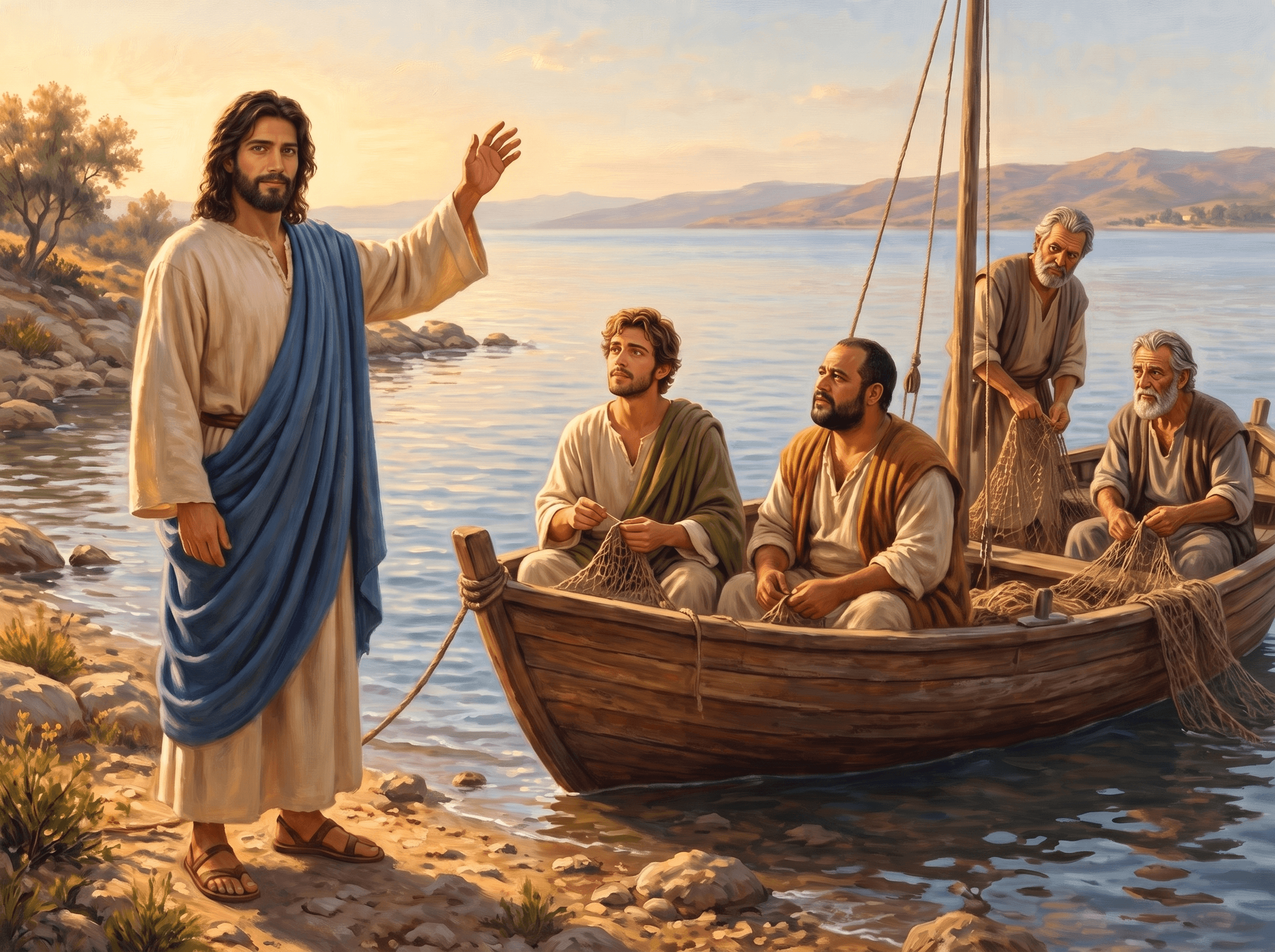
Illustrated scene from John the Apostle's story: Mending Their Nets (Mark 1:19–20)
Meet the people of the Bible
Follow their lives in order, with illustrated scenes and Bible passages that tell their stories.
 John the Apostle

Photo: Gary Todd (Gary Lee Todd, Ph.D.), via Wikimedia Commons. License: CC0 1.0 Universal Public Domain Dedication. Source. Location: Southern end of the Temple Mount, Jerusalem Old City. Resized for the web.
Explore the places of the Bible
See where biblical events happened, why each place matters, and what archaeology helps us understand.
Jerusalem
David's capital, the city of the temple, and the place where Jesus died and rose again.
Get full access with one subscription
Explore the people and places of the Bible. Read summaries of every book, with images and clear explanations covering every chapter. Access all these features and our Bible study tools with one subscription.
See PlansAsk AI about Mark 2:20
Ask a question about this verse and get a clear answer, with Bible references you can read for yourself.
Every Bible book, explained chapter by chapter
Explore summaries of every book of the Bible, with images and easy-to-understand explanations covering every chapter.
Keep studying Mark 2:20
Related Bible verses
Key themes
Related topics
At a Glance — the Book of Mark
- Author
- John Mark
- Written
- Around AD 55-65
- Genre
- Gospel
- Original Audience
- Roman and Gentile Christians
Frequently Asked Questions
Quick, clear answers about this verse
What does Jesus mean by 'bridegroom' in Mark 2:20?
In Mark 2:20, Jesus refers to Himself as the 'bridegroom' to illustrate the intimate relationship He has with His followers. This metaphor signifies joy and closeness, indicating that His presence brings happiness and fulfillment. The term also foreshadows a time when He would be taken away, highlighting the deep connection His disciples would feel in His absence.
Why do Christians fast according to Mark 2:20?
In Mark 2:20, Jesus mentions that His followers will fast when He is taken away, indicating that fasting is a response to His absence. Christians fast as a way to seek God more earnestly, express mourning, or deepen their spiritual connection during times of longing or need. It serves as a reminder to maintain faith and devotion, especially when feeling distant from God.
How does Mark 2:20 relate to the concept of mourning?
Mark 2:20 connects fasting with mourning, suggesting that the absence of Jesus will lead His followers to experience a sense of loss. Fasting during this time symbolizes a longing for His presence and a desire to reconnect spiritually. It emphasizes the emotional and spiritual weight that comes with separation from God, encouraging believers to seek Him more fervently during difficult times.
What can we learn about discipleship from Mark 2:20?
Mark 2:20 teaches that true discipleship involves a deep relationship with Jesus, akin to that of a bridegroom and bride. It highlights the importance of seeking God earnestly, especially during times of absence or spiritual dryness. Disciples are encouraged to engage in practices like fasting and prayer to maintain their faith and connection with God, reinforcing the idea that spiritual growth often occurs in challenging circumstances.
Daily Verse — straight to your inbox
A verse and a 2-sentence plain-English explanation, every morning. Free. Unsubscribe anytime.