New Testament
Mark 6:23
Read the Bible in clear, modern English—easy to understand, faithful to the meaning, and written for everyday readers.
He even swore an oath to her: "Whatever you ask, I'll give it to you — up to half my kingdom."
Compare translations
And he sware unto her, Whatsoever thou shalt ask of me, I will give it thee, unto the half of my kingdom.
What Mark 6:23 means
Plain-English insight for readers
In this verse, King Herod makes a rash promise to Herodias' daughter after she dances for him. He swears an oath, declaring that he will grant her any request, even if it means giving away half of his kingdom. This moment highlights the impulsiveness of Herod, who is caught up in the excitement of the occasion and makes a commitment without considering the consequences. The promise reflects the power dynamics at play, as Herod is willing to offer a significant reward to impress others. However, this decision leads to tragic outcomes, as the girl ultimately asks for the head of John the Baptist, showcasing how easily one can be manipulated and how dangerous it can be to make promises in the heat of the moment. Herod's oath serves as a cautionary tale about the importance of being mindful of our words and the commitments we make, especially when they are made under pressure or in a moment of weakness.
How to apply Mark 6:23 to your life
This verse teaches us to be cautious with our words and commitments. We should think carefully before making promises, especially in moments of excitement or pressure. Reflecting on our decisions can help us avoid negative consequences and ensure our commitments align with our values.
Curated for this public verse page. Mark Summary
Learn the Bible through its people and places
Get to know the people in Scripture through illustrated stories, and explore the places where they lived and traveled.
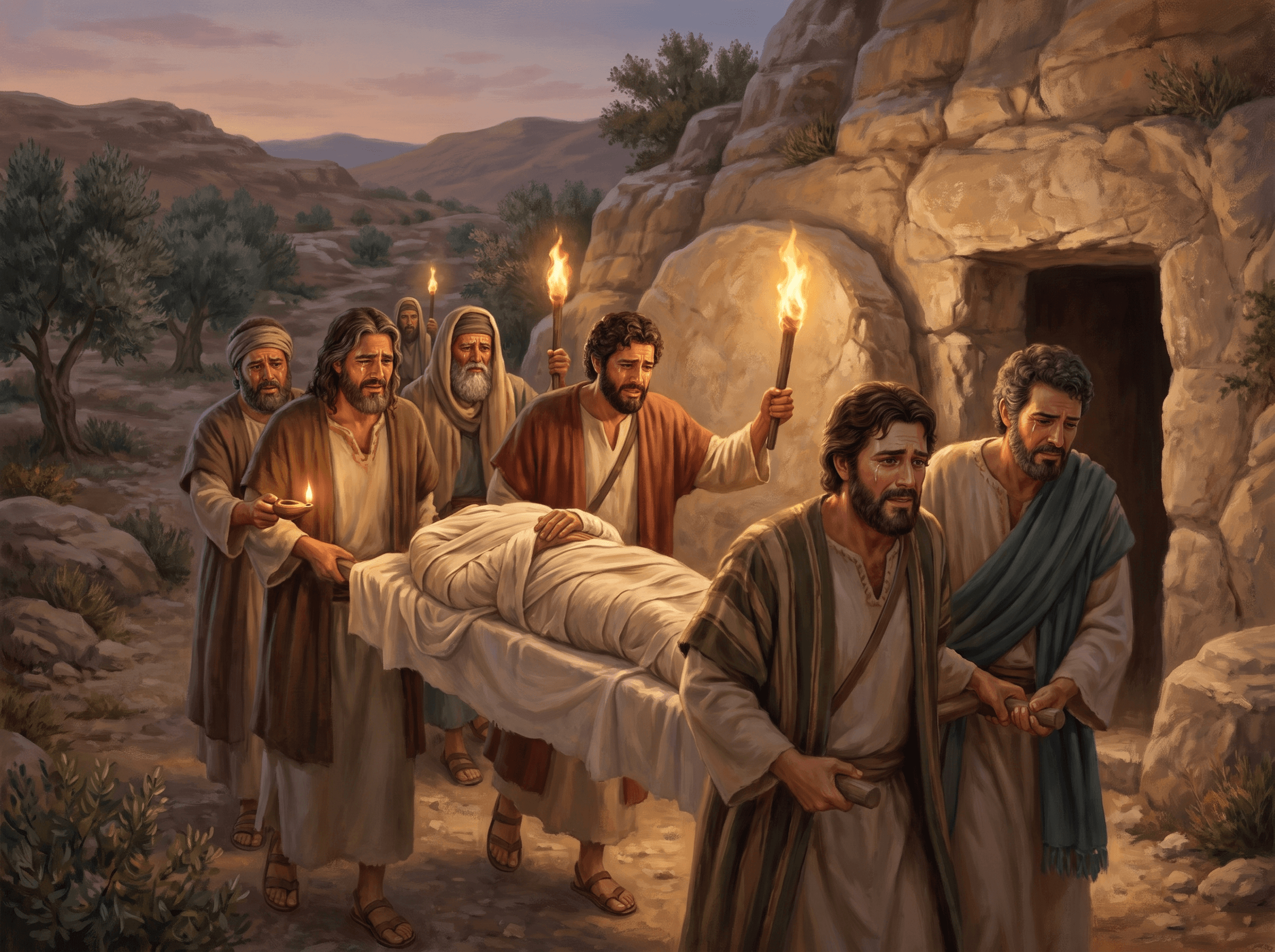
Illustrated scene from John the Baptist's story: The Death of John (Mark 6:21–29)
Meet the people of the Bible
Follow their lives in order, with illustrated scenes and Bible passages that tell their stories.
 John the Baptist

Photo: Gary Todd (Gary Lee Todd, Ph.D.), via Wikimedia Commons. License: CC0 1.0 Universal Public Domain Dedication. Source. Location: Southern end of the Temple Mount, Jerusalem Old City. Resized for the web.
Explore the places of the Bible
See where biblical events happened, why each place matters, and what archaeology helps us understand.
Jerusalem
David's capital, the city of the temple, and the place where Jesus died and rose again.
Get full access with one subscription
Explore the people and places of the Bible. Read summaries of every book, with images and clear explanations covering every chapter. Access all these features and our Bible study tools with one subscription.
See PlansAsk AI about Mark 6:23
Ask a question about this verse and get a clear answer, with Bible references you can read for yourself.
Every Bible book, explained chapter by chapter
Explore summaries of every book of the Bible, with images and easy-to-understand explanations covering every chapter.
Keep studying Mark 6:23
Related Bible verses
Key themes
Related topics
At a Glance — the Book of Mark
- Author
- John Mark
- Written
- Around AD 55-65
- Genre
- Gospel
- Original Audience
- Roman and Gentile Christians
Frequently Asked Questions
Quick, clear answers about this verse
What does Mark 6:23 mean in context?
In Mark 6:23, King Herod makes a hasty promise to Herodias' daughter after she performs a dance that pleases him. He swears to give her anything she desires, even up to half of his kingdom. This moment illustrates Herod's impulsiveness and the influence of those around him. It sets the stage for the tragic request that follows, highlighting the dangers of making promises without considering the potential consequences.
Why did Herod make such a rash promise?
Herod's rash promise in Mark 6:23 stems from a combination of excitement and the desire to impress his guests. In the moment, he is caught up in the celebration and feels compelled to reward the dancer, not fully grasping the implications of his words. This reflects a common human tendency to act impulsively under pressure, which can lead to regrettable outcomes.
What are the consequences of Herod's oath?
The consequences of Herod's oath in Mark 6:23 are dire. After the girl asks for the head of John the Baptist, Herod is faced with a moral dilemma. Despite his reluctance, he feels compelled to fulfill his promise to avoid losing face in front of his guests. This decision ultimately leads to John's execution, illustrating how impulsive promises can have far-reaching and tragic effects.
How can we apply the lesson from Mark 6:23 to our lives?
Mark 6:23 teaches us the importance of being mindful of our words and commitments. In our own lives, we should take a moment to reflect before making promises, especially in emotionally charged situations. By doing so, we can avoid making hasty decisions that may lead to negative consequences and ensure our commitments align with our values and integrity.
Daily Verse — straight to your inbox
A verse and a 2-sentence plain-English explanation, every morning. Free. Unsubscribe anytime.