New Testament
Mark 9:46
Read the Bible in clear, modern English—easy to understand, faithful to the meaning, and written for everyday readers.
where the worm never dies and the fire is never quenched.
Compare translations
Where their worm dieth not, and the fire is not quenched.
What Mark 9:46 means
Plain-English insight for readers
In Mark 9:46, Jesus uses vivid imagery to describe the consequences of sin and the reality of judgment. The phrase "where the worm never dies and the fire is never quenched" symbolizes eternal punishment and suffering. The 'worm' represents a constant state of decay and torment, while the 'fire' signifies unending pain. This verse emphasizes the seriousness of sin and the importance of making choices that align with God's will. Jesus warns His listeners about the dangers of leading others astray and the severe consequences that can follow. The imagery serves as a stark reminder of the reality of hell and the need for repentance and faith in Him to avoid such a fate. It calls for self-examination and a commitment to living a life that honors God, avoiding actions that could lead to spiritual destruction.
How to apply Mark 9:46 to your life
This verse encourages us to take sin seriously and to reflect on our actions. It reminds us to seek repentance and to guide others towards a righteous path. By understanding the consequences of our choices, we can strive to live in a way that honors God and avoids spiritual harm.
Curated for this public verse page. Mark Summary
Explore more of the Bible
Learn the Bible through its people and places
Get to know the people in Scripture through illustrated stories, and explore the places where they lived and traveled.
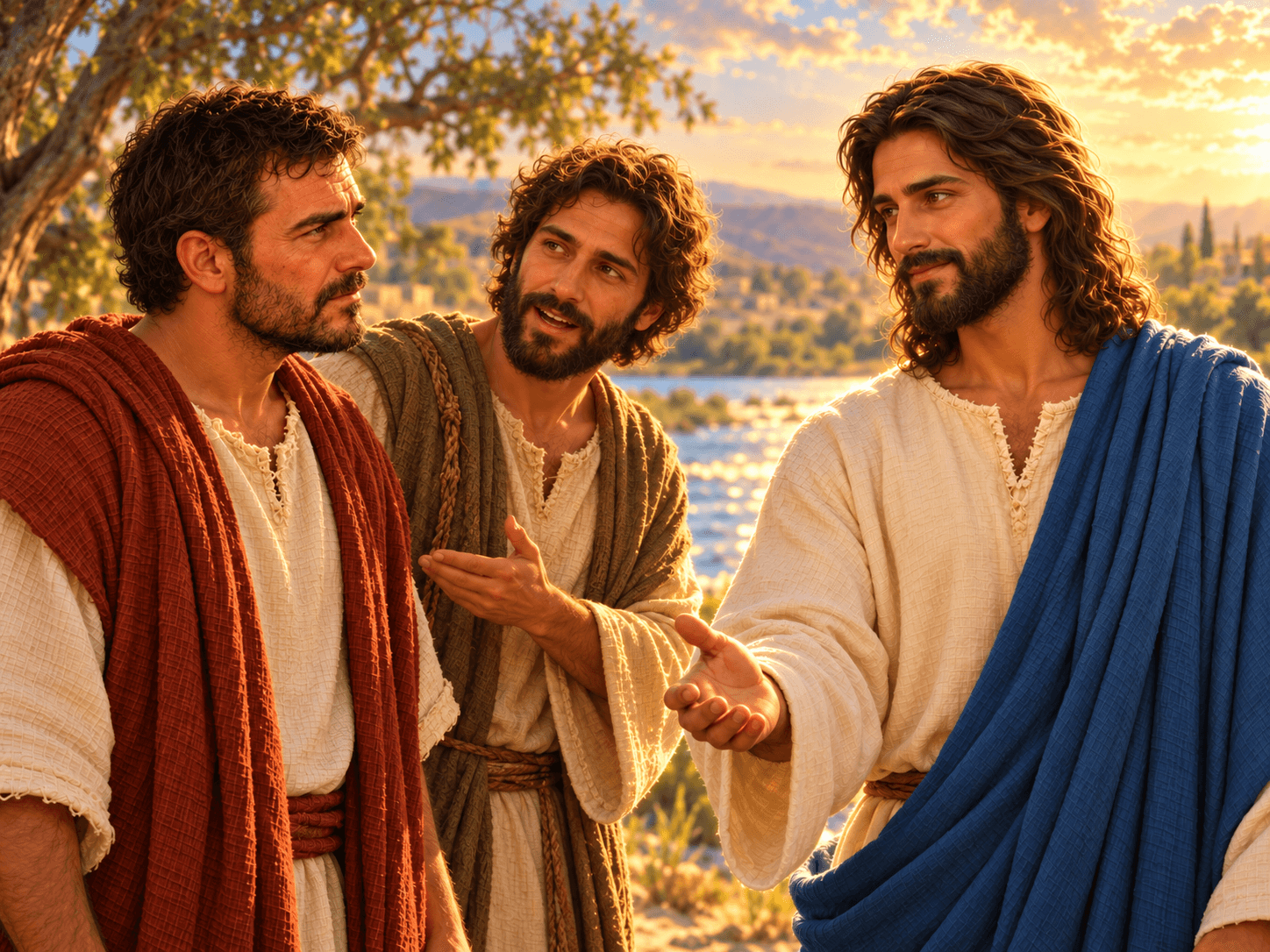
Illustrated scene from Peter's story: Andrew Brings Simon to Jesus (John 1:40–42)
Meet the people of the Bible
Follow their lives in order, with illustrated scenes and Bible passages that tell their stories.
 Peter
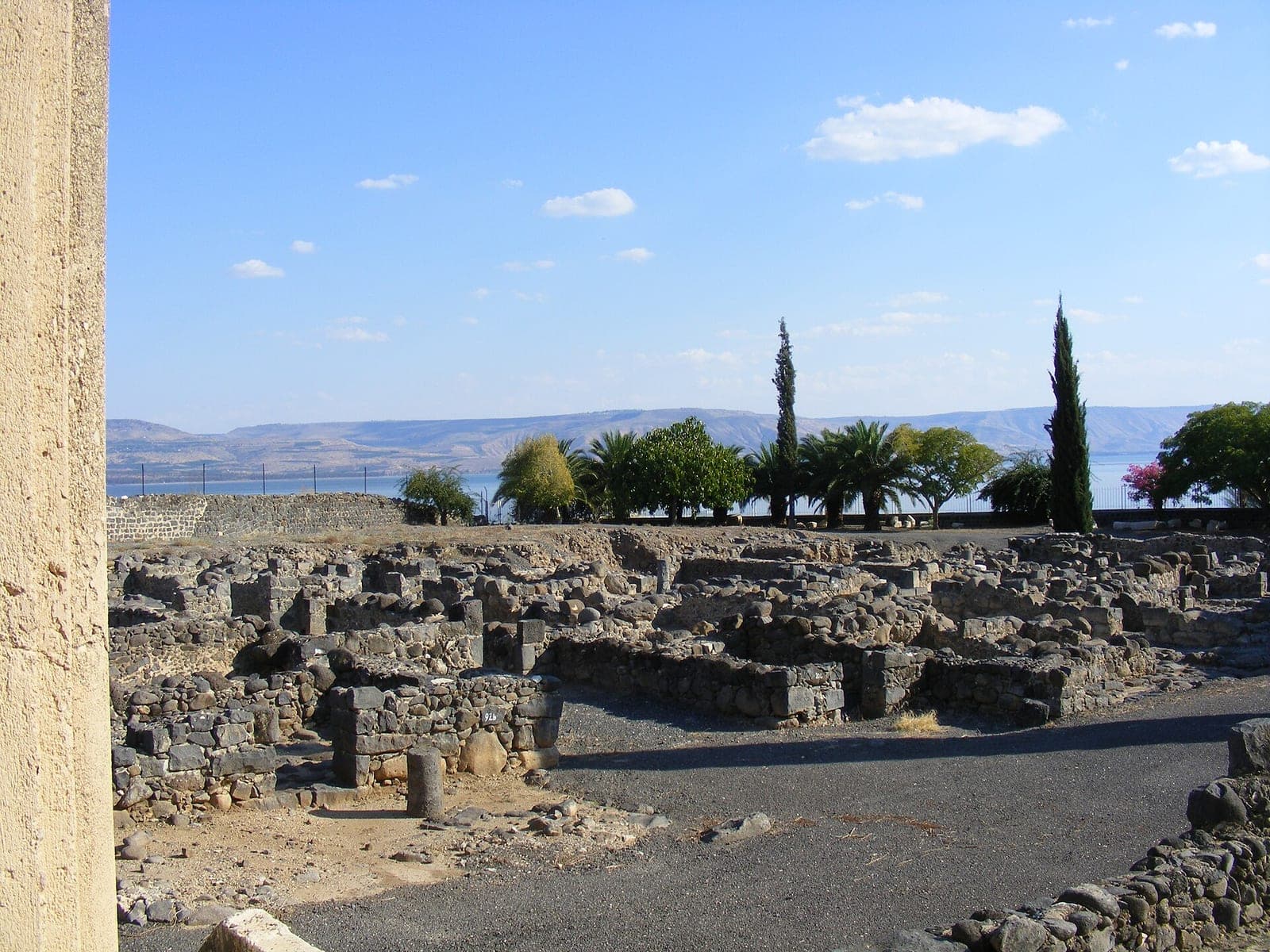
Photo: zeevveez, via Wikimedia Commons. License: CC BY 2.0. Source. Location: Capernaum, on the northern shore of the Sea of Galilee. Resized for the web.
Explore the places of the Bible
See where biblical events happened, why each place matters, and what archaeology helps us understand.
Capernaum
Jesus' home base by the Sea of Galilee, and the town where Peter lived.
Get full access with one subscription
Explore the people and places of the Bible. Read summaries of every book, with images and clear explanations covering every chapter. Access all these features and our Bible study tools with one subscription.
See PlansAsk AI about Mark 9:46
Ask a question about this verse and get a clear answer, with Bible references you can read for yourself.
Every Bible book, explained chapter by chapter
Explore summaries of every book of the Bible, with images and easy-to-understand explanations covering every chapter.
Keep studying Mark 9:46
Related Bible verses
Key themes
Related topics
At a Glance — the Book of Mark
- Author
- John Mark
- Written
- Around AD 55-65
- Genre
- Gospel
- Original Audience
- Roman and Gentile Christians
Frequently Asked Questions
Quick, clear answers about this verse
What does Mark 9:46 mean?
Mark 9:46 describes the severe consequences of sin, using imagery of eternal punishment. It highlights the reality of judgment and the importance of making choices that align with God's will.
What is the meaning of 'the worm never dies' in Mark 9:46?
The phrase 'the worm never dies' symbolizes a constant state of decay and torment, representing the unending suffering faced by those who reject God.
How does Mark 9:46 relate to eternal punishment?
Mark 9:46 illustrates the concept of eternal punishment by depicting a place where suffering is unending, serving as a stark reminder of the consequences of sin.
What themes are present in Mark 9:46?
Key themes in Mark 9:46 include eternal punishment, the consequences of sin, judgment, the need for repentance, and a warning against temptation.
Daily Verse — straight to your inbox
A verse and a 2-sentence plain-English explanation, every morning. Free. Unsubscribe anytime.