Matthew 1:9
Uzziah was the father of Jotham. Jotham was the father of Ahaz. Ahaz was the father of Hezekiah.
What Matthew 1:9 means
Plain-English insight for readers
In this verse, we see a continuation of the genealogy of Jesus Christ, tracing His lineage through significant kings of Judah. Uzziah, also known as Ozias, was a king who reigned righteously for many years. His son Jotham succeeded him, followed by Ahaz, who is noted for his unfaithfulness to God. Finally, Hezekiah, the son of Ahaz, is remembered for his reforms and dedication to God. This lineage highlights the importance of family heritage in Jewish culture and sets the stage for understanding Jesus' royal and messianic claims. Each name represents a part of Israel's history, showcasing both the faithfulness and failures of its leaders. This genealogy not only establishes Jesus' rightful place in the line of David but also emphasizes God's faithfulness through generations, despite human shortcomings.
How to apply Matthew 1:9 to your life
Understanding the genealogy of Jesus reminds us of the importance of our own family histories and the legacy we leave behind. It encourages us to reflect on how our lives can impact future generations, emphasizing the need for faithfulness and integrity in our actions.
In the King James Version
And Ozias begat Joatham; and Joatham begat Achaz; and Achaz begat Ezekias;
Ask about this verse
Ask anything about Matthew 1:9 and get a clear answer from Scripture.
Have a question about this verse? Explore it with ClearBible.
Premium answers your questions about any verse from Scripture itself, shows the verses it rests on, and opens Clear on every passage. You also get all 66 book summaries.
7 days free, then $99/year. Card required. Cancel anytime.
Explore more of the Bible
Learn the Bible through its people and places
Get to know the people in Scripture through illustrated stories, and explore the places where they lived and traveled.
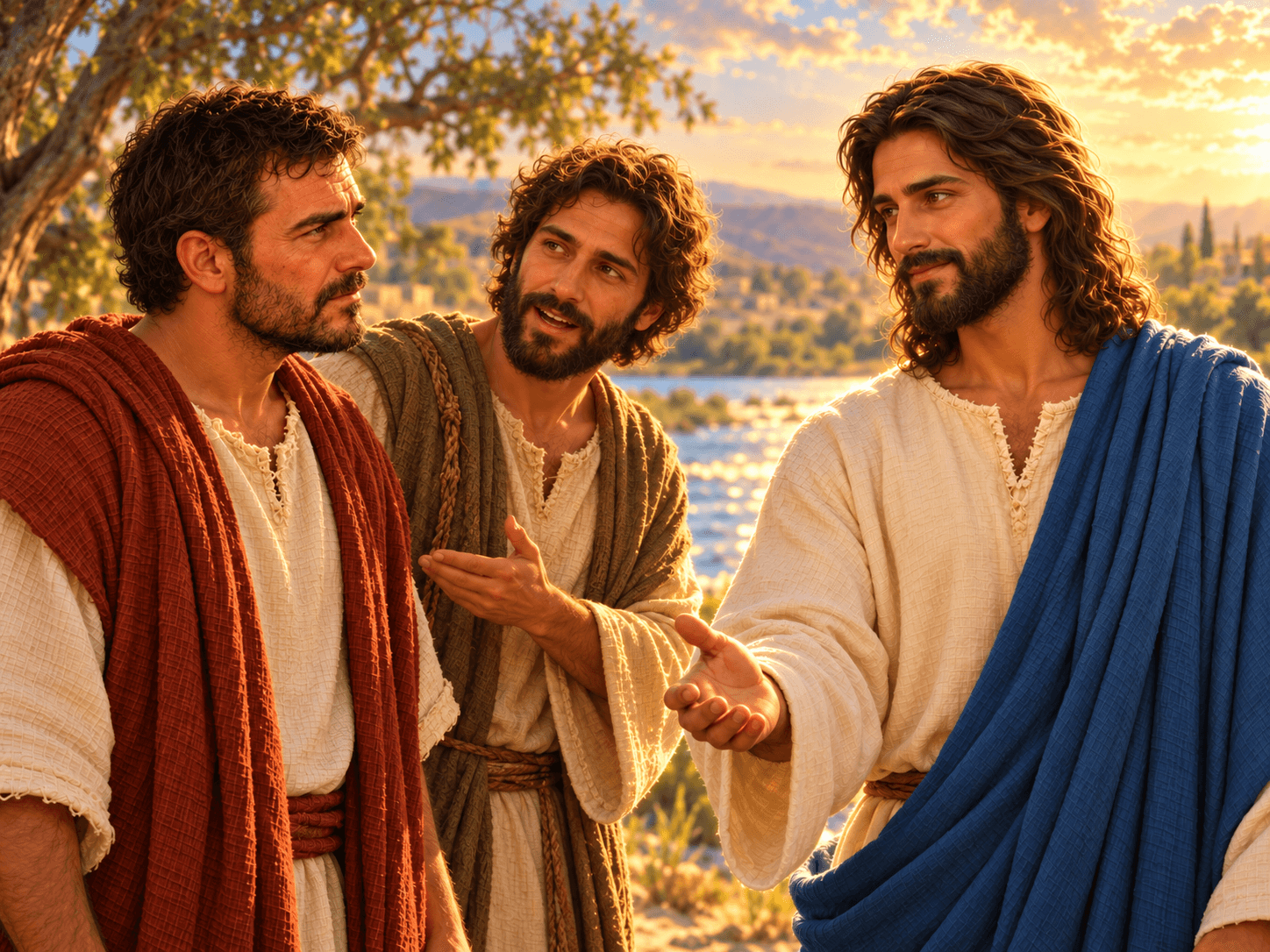
Illustrated scene from Peter's story: Andrew Brings Simon to Jesus (John 1:40–42)
Meet the people of the Bible
Follow their lives in order, with illustrated scenes and Bible passages that tell their stories.
 Peter
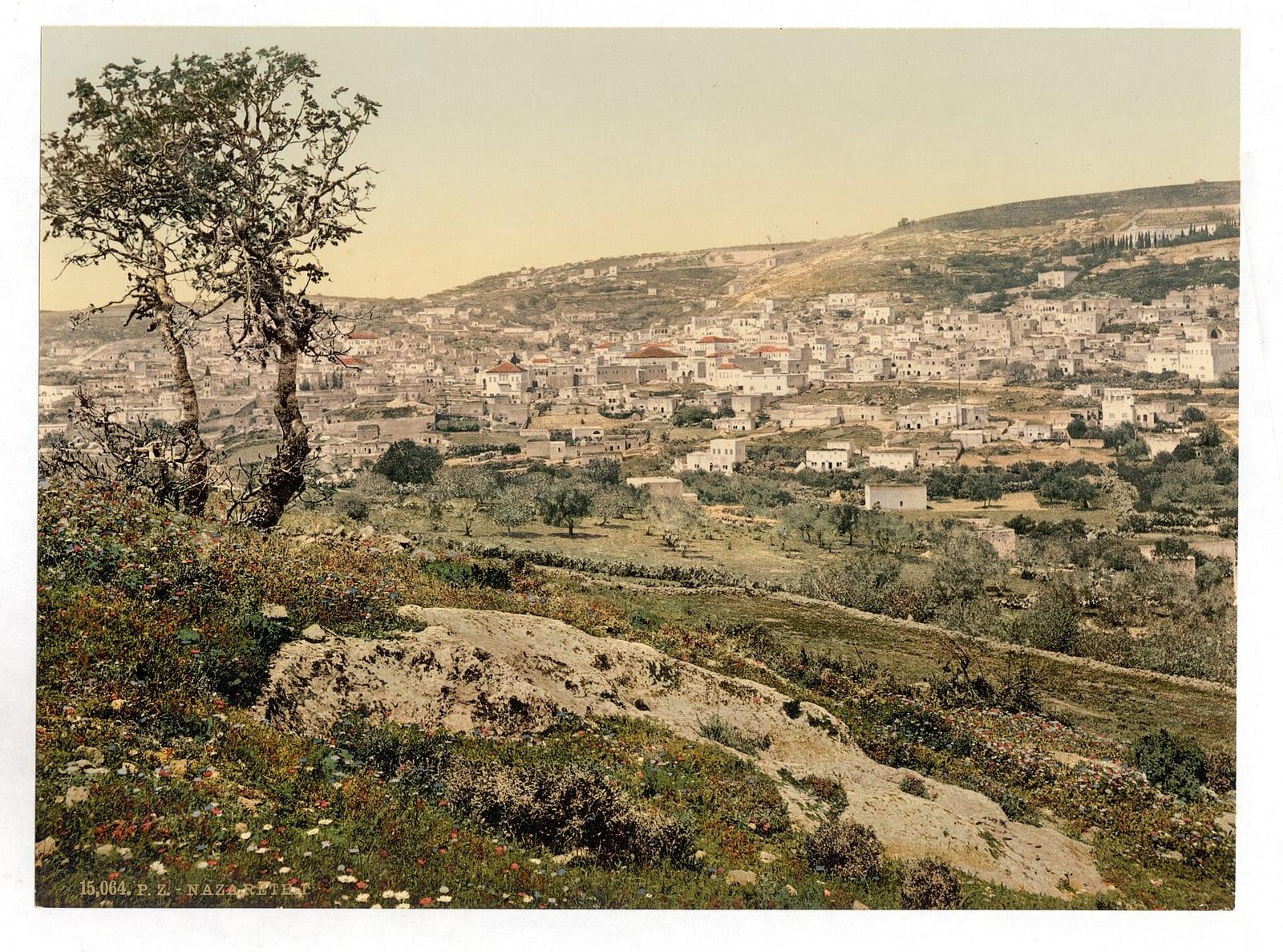
Photo: Photochrom print, Library of Congress Prints and Photographs Division (LCCN 2002725045). License: Public domain in the United States; Library of Congress states no known restrictions on publication. Source. Location: Nazareth, Israel; print preserved by the Library of Congress. Resized for the web.
Explore the places of the Bible
See where biblical events happened, why each place matters, and what archaeology helps us understand.
Nazareth
The small town in Galilee where Jesus grew up.
Every Bible book, explained chapter by chapter
Explore summaries of every book of the Bible, with images and easy-to-understand explanations covering every chapter.
Keep studying Matthew 1:9
Related Bible verses
Key themes
Related topics
At a Glance — the Book of Matthew
- Author
- Matthew the apostle
- Written
- Around AD 60-70
- Genre
- Gospel
- Original Audience
- Jewish Christians
Frequently Asked Questions
Quick, clear answers about this verse
What does Matthew 1:9 mean?
Matthew 1:9 is part of the genealogy of Jesus, showing His lineage through significant kings of Judah. It highlights the succession from Uzziah to Jotham, Ahaz, and finally Hezekiah, emphasizing the historical and royal heritage of Jesus.
Who are the key figures mentioned in Matthew 1:9?
The key figures in Matthew 1:9 are Uzziah (Ozias), Jotham, Ahaz, and Hezekiah. Each of these kings played a significant role in the history of Judah, with varying degrees of faithfulness to God.
What is the significance of the genealogy in Matthew 1:9?
The genealogy in Matthew 1:9 establishes Jesus' rightful place in the line of David, which is crucial for His messianic claims. It also reflects God's faithfulness through generations despite human failures.
How does Matthew 1:9 relate to the overall message of the Bible?
Matthew 1:9 contributes to the overall message of the Bible by illustrating God's plan for redemption through Jesus' lineage. It shows how God works through history and human families to fulfill His promises.
Daily Verse — straight to your inbox
A verse and a 2-sentence plain-English explanation, every morning. Free. Unsubscribe anytime.