New Testament
Matthew 14:8
Read the Bible in clear, modern English—easy to understand, faithful to the meaning, and written for everyday readers.
Her mother had already coached her on what to say, so the girl told him, "Give me the head of John the Baptist on a platter."
Compare translations
And she, being before instructed of her mother, said, Give me here John Baptist’s head in a charger.
What Matthew 14:8 means
Plain-English insight for readers
In this verse, a young girl, influenced by her mother, makes a shocking request to King Herod. Her mother had plotted against John the Baptist, who had criticized Herod's marriage. The girl asks for John's head on a platter, symbolizing the culmination of a sinister plan. This moment highlights the manipulation of the girl by her mother and the moral decay surrounding Herod's court. It shows how personal vendettas can lead to tragic outcomes, as John was a righteous man who spoke the truth. The request is not just for a physical act but represents the silencing of a prophetic voice that challenged the status quo. This event foreshadows the consequences of unchecked power and the lengths to which individuals will go to satisfy their desires, even at the cost of innocent lives.
How to apply Matthew 14:8 to your life
This verse serves as a reminder to be cautious of the influences in our lives, especially from those we trust. It encourages us to seek wisdom and discernment in our decisions, ensuring that we do not compromise our values or harm others in pursuit of our desires.
Curated for this public verse page. Matthew Summary
Learn the Bible through its people and places
Get to know the people in Scripture through illustrated stories, and explore the places where they lived and traveled.
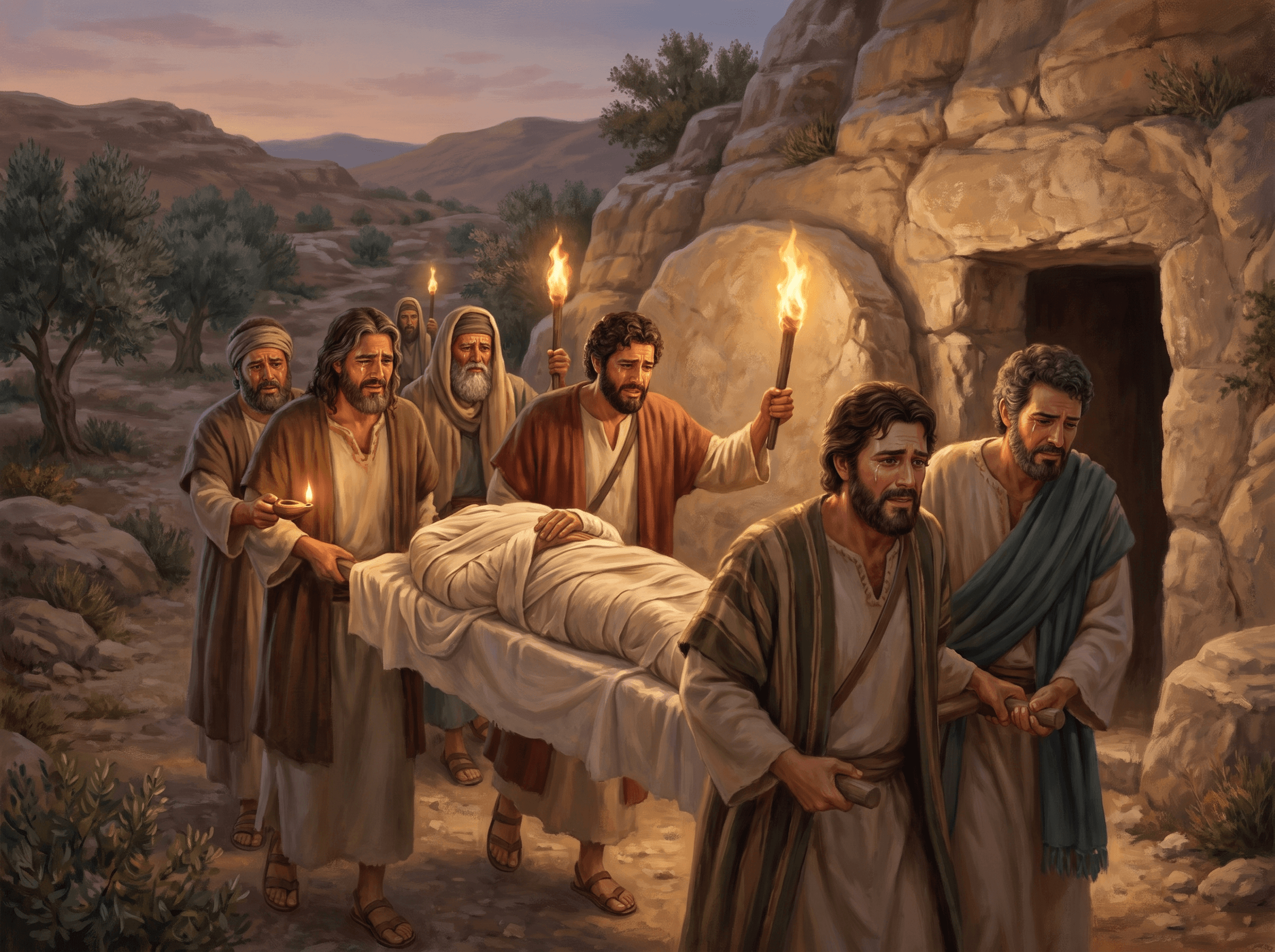
Illustrated scene from John the Baptist's story: The Death of John (Matthew 14:6–12)
Meet the people of the Bible
Follow their lives in order, with illustrated scenes and Bible passages that tell their stories.
 John the Baptist

Photo: Photochrom print, Library of Congress Prints and Photographs Division (LCCN 2002725045). License: Public domain in the United States; Library of Congress states no known restrictions on publication. Source. Location: Nazareth, Israel; print preserved by the Library of Congress. Resized for the web.
Explore the places of the Bible
See where biblical events happened, why each place matters, and what archaeology helps us understand.
Nazareth
The small town in Galilee where Jesus grew up.
Get full access with one subscription
Explore the people and places of the Bible. Read summaries of every book, with images and clear explanations covering every chapter. Access all these features and our Bible study tools with one subscription.
See PlansAsk AI about Matthew 14:8
Ask a question about this verse and get a clear answer, with Bible references you can read for yourself.
Every Bible book, explained chapter by chapter
Explore summaries of every book of the Bible, with images and easy-to-understand explanations covering every chapter.
Keep studying Matthew 14:8
Related Bible verses
Key themes
Related topics
At a Glance — the Book of Matthew
- Author
- Matthew the apostle
- Written
- Around AD 60-70
- Genre
- Gospel
- Original Audience
- Jewish Christians
Frequently Asked Questions
Quick, clear answers about this verse
What does Matthew 14:8 mean?
Matthew 14:8 describes a young girl, influenced by her mother, asking King Herod for the head of John the Baptist. This request symbolizes the manipulation and moral decay present in Herod's court, as it reflects the lengths to which individuals will go to fulfill personal vendettas.
What is the significance of the head on a platter in Matthew 14:8?
The request for John's head on a platter represents the culmination of a sinister plan and the silencing of a prophetic voice. It highlights the tragic consequences of unchecked power and the moral corruption surrounding the events.
What themes are present in Matthew 14:8?
Key themes in Matthew 14:8 include manipulation, the influence of parents, the consequences of power, moral decay, and the silencing of truth. These themes illustrate the dangers of allowing personal desires to override ethical considerations.
What can we learn from Matthew 14:8?
Matthew 14:8 teaches us to be cautious of the influences we allow in our lives, especially from trusted individuals. It encourages seeking wisdom and discernment to avoid compromising our values or harming others in pursuit of our desires.
Daily Verse — straight to your inbox
A verse and a 2-sentence plain-English explanation, every morning. Free. Unsubscribe anytime.