New Testament
Matthew 16:6
Read the Bible in clear, modern English—easy to understand, faithful to the meaning, and written for everyday readers.
Jesus told them, "Watch out — beware of the yeast of the Pharisees and Sadducees."
Compare translations
Then Jesus said unto them, Take heed and beware of the leaven of the Pharisees and of the Sadducees.
What Matthew 16:6 means
Plain-English insight for readers
In this verse, Jesus warns His disciples to be cautious of the teachings and influence of the Pharisees and Sadducees, two prominent religious groups of the time. The term 'yeast' or 'leaven' symbolizes the corrupting influence of their doctrines. Just as a small amount of yeast can affect a whole batch of dough, false teachings can spread and lead people away from the truth. Jesus emphasizes the importance of discernment in spiritual matters, urging His followers to be vigilant against misleading ideas that may seem harmless but can ultimately lead to spiritual decay. This warning is relevant not only to the disciples but also to all believers, reminding them to critically evaluate teachings and practices in light of God's Word. The call to 'beware' serves as a reminder to stay grounded in faith and to seek wisdom in understanding the truth of the Gospel.
How to apply Matthew 16:6 to your life
To apply this teaching, regularly evaluate the teachings you encounter against Scripture. Engage in discussions with trusted mentors or fellow believers to gain clarity. Stay alert to ideas that may seem appealing but could lead you away from the core truths of your faith.
Curated for this public verse page. Matthew Summary
Explore more of the Bible
Learn the Bible through its people and places
Get to know the people in Scripture through illustrated stories, and explore the places where they lived and traveled.
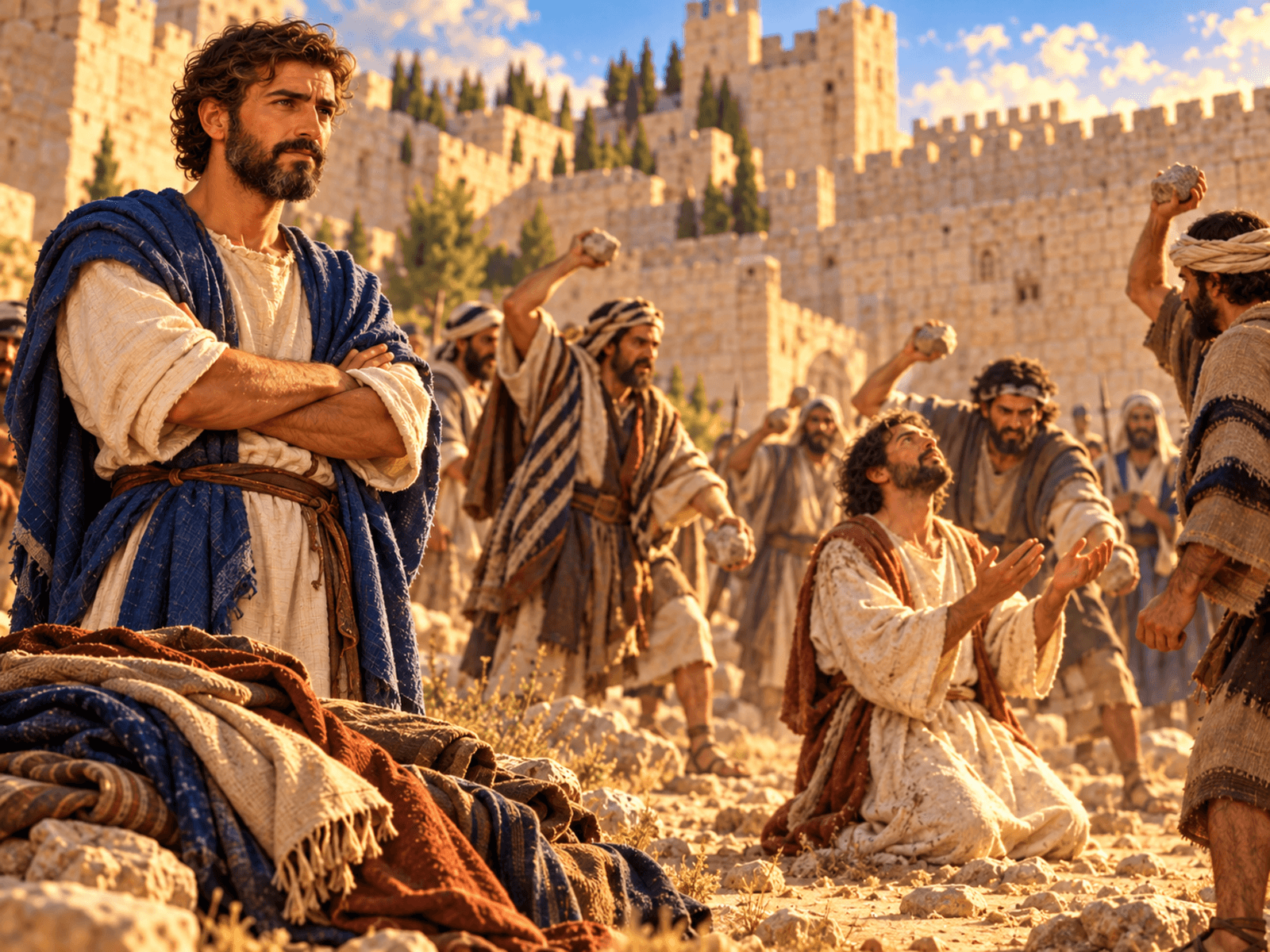
Illustrated scene from Paul's story: The Stoning of Stephen (Acts 7:57–8:2)
Meet the people of the Bible
Follow their lives in order, with illustrated scenes and Bible passages that tell their stories.
 Paul

Photo: Gary Todd (Gary Lee Todd, Ph.D.), via Wikimedia Commons. License: CC0 1.0 Universal Public Domain Dedication. Source. Location: Southern end of the Temple Mount, Jerusalem Old City. Resized for the web.
Explore the places of the Bible
See where biblical events happened, why each place matters, and what archaeology helps us understand.
Jerusalem
David's capital, the city of the temple, and the place where Jesus died and rose again.
Get full access with one subscription
Explore the people and places of the Bible. Read summaries of every book, with images and clear explanations covering every chapter. Access all these features and our Bible study tools with one subscription.
See PlansAsk AI about Matthew 16:6
Ask a question about this verse and get a clear answer, with Bible references you can read for yourself.
Every Bible book, explained chapter by chapter
Explore summaries of every book of the Bible, with images and easy-to-understand explanations covering every chapter.
Keep studying Matthew 16:6
Related Bible verses
Key themes
Related topics
At a Glance — the Book of Matthew
- Author
- Matthew the apostle
- Written
- Around AD 60-70
- Genre
- Gospel
- Original Audience
- Jewish Christians
Frequently Asked Questions
Quick, clear answers about this verse
What does Matthew 16:6 mean?
In Matthew 16:6, Jesus warns His disciples to be cautious of the teachings of the Pharisees and Sadducees. He uses 'yeast' or 'leaven' as a metaphor for how their corrupting ideas can spread and lead people away from the truth.
What is the meaning of 'yeast' in Matthew 16:6?
In this verse, 'yeast' symbolizes the corrupting influence of false teachings. Just as a small amount of yeast can affect an entire batch of dough, misleading doctrines can spread and negatively impact faith.
How can I apply Matthew 16:6 in my life?
To apply this teaching, regularly compare the teachings you encounter with Scripture. Stay engaged in discussions with trusted mentors to ensure you remain grounded in the truth of your faith.
Daily Verse — straight to your inbox
A verse and a 2-sentence plain-English explanation, every morning. Free. Unsubscribe anytime.