New Testament
Matthew 26:5
Read the Bible in clear, modern English—easy to understand, faithful to the meaning, and written for everyday readers.
But they agreed, "Not during the feast — the people might riot."
Compare translations
But they said, Not on the feast day, lest there be an uproar among the people.
What Matthew 26:5 means
Plain-English insight for readers
In this verse, the religious leaders are discussing their plans to arrest Jesus. They decide against doing it during the feast, which is a significant Jewish celebration. Their concern is that if they act during this time, the large crowds gathered for the feast might become angry and cause a riot. This shows their fear of public backlash and the potential for chaos. The leaders are trying to maintain control over the situation and avoid any disturbances that could arise from the people's loyalty to Jesus. Their decision reflects their political savvy but also their moral failure, as they prioritize their own safety and power over justice and truth. This moment highlights the tension between the religious authorities and Jesus, setting the stage for the events leading to his crucifixion. It reveals the lengths to which they will go to protect their interests, even if it means delaying their plans to arrest an innocent man.
How to apply Matthew 26:5 to your life
This verse reminds us to consider the timing and context of our actions. In our own lives, we may face situations where we must weigh the potential consequences of our decisions. It encourages us to act wisely and thoughtfully, especially when our choices could impact others significantly.
Curated for this public verse page. Matthew Summary
Explore more of the Bible
Learn the Bible through its people and places
Get to know the people in Scripture through illustrated stories, and explore the places where they lived and traveled.
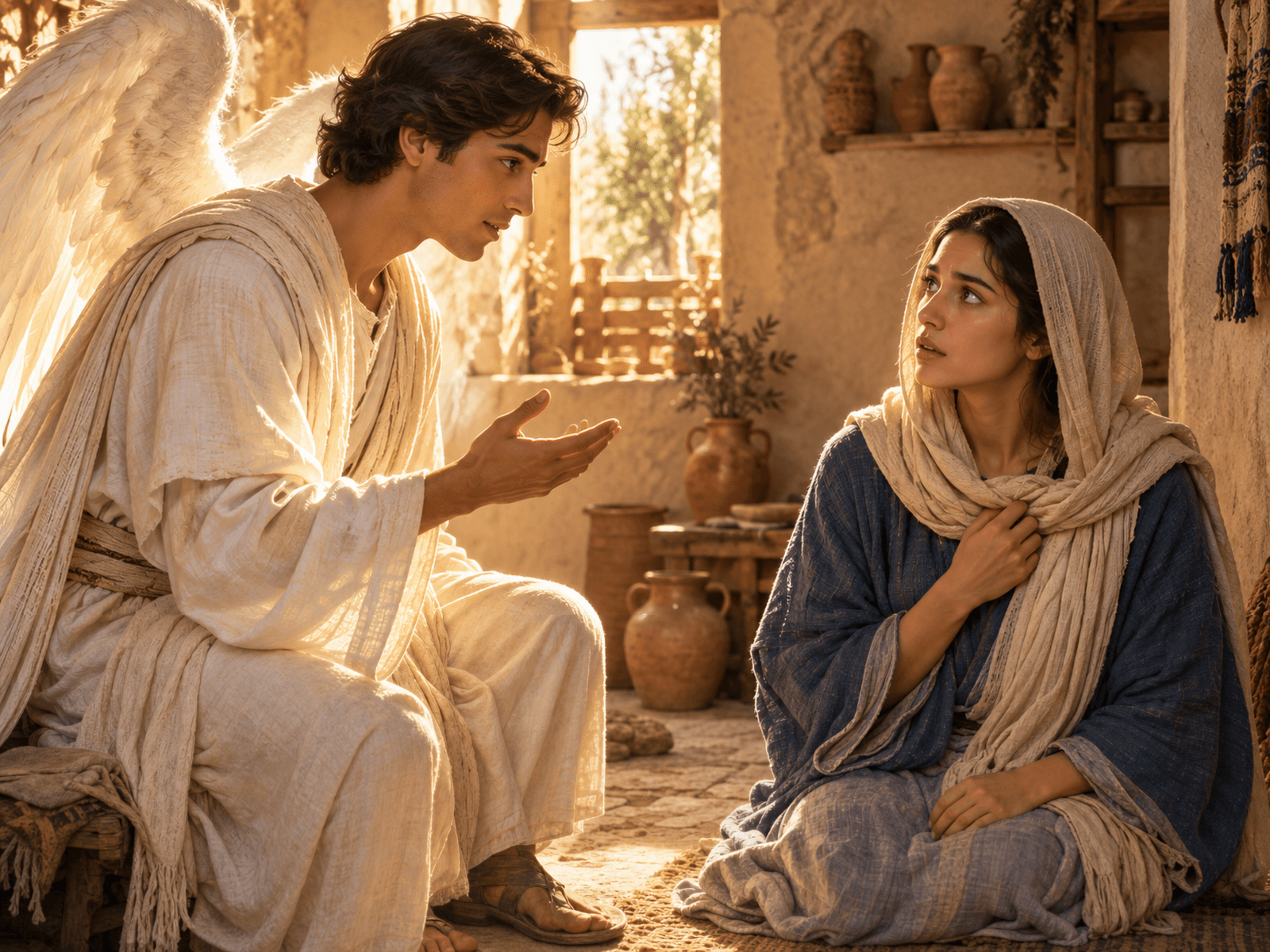
Illustrated scene from Jesus's story: An Angel Visits Mary (Luke 1:26–38)
Meet the people of the Bible
Follow their lives in order, with illustrated scenes and Bible passages that tell their stories.
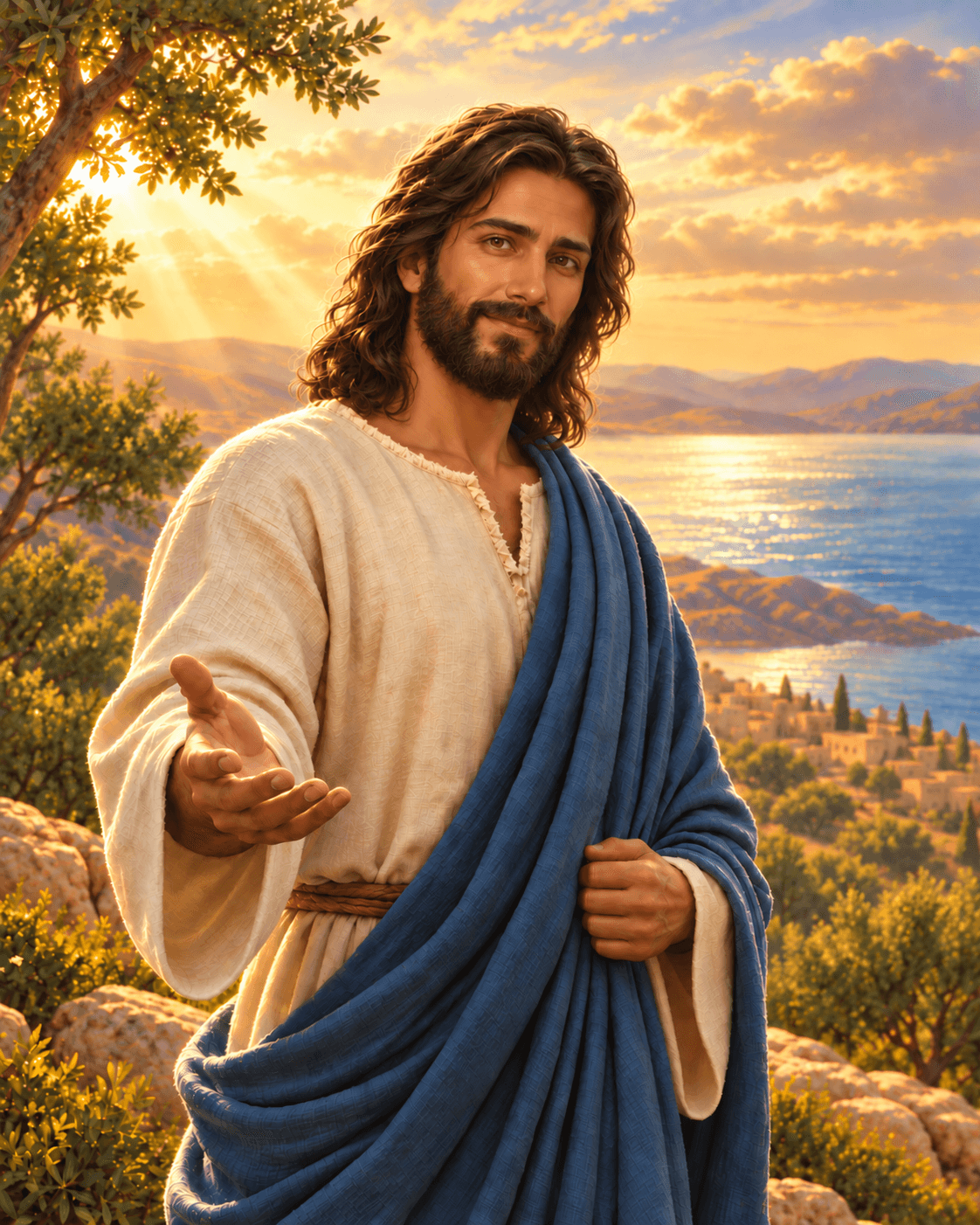 Jesus
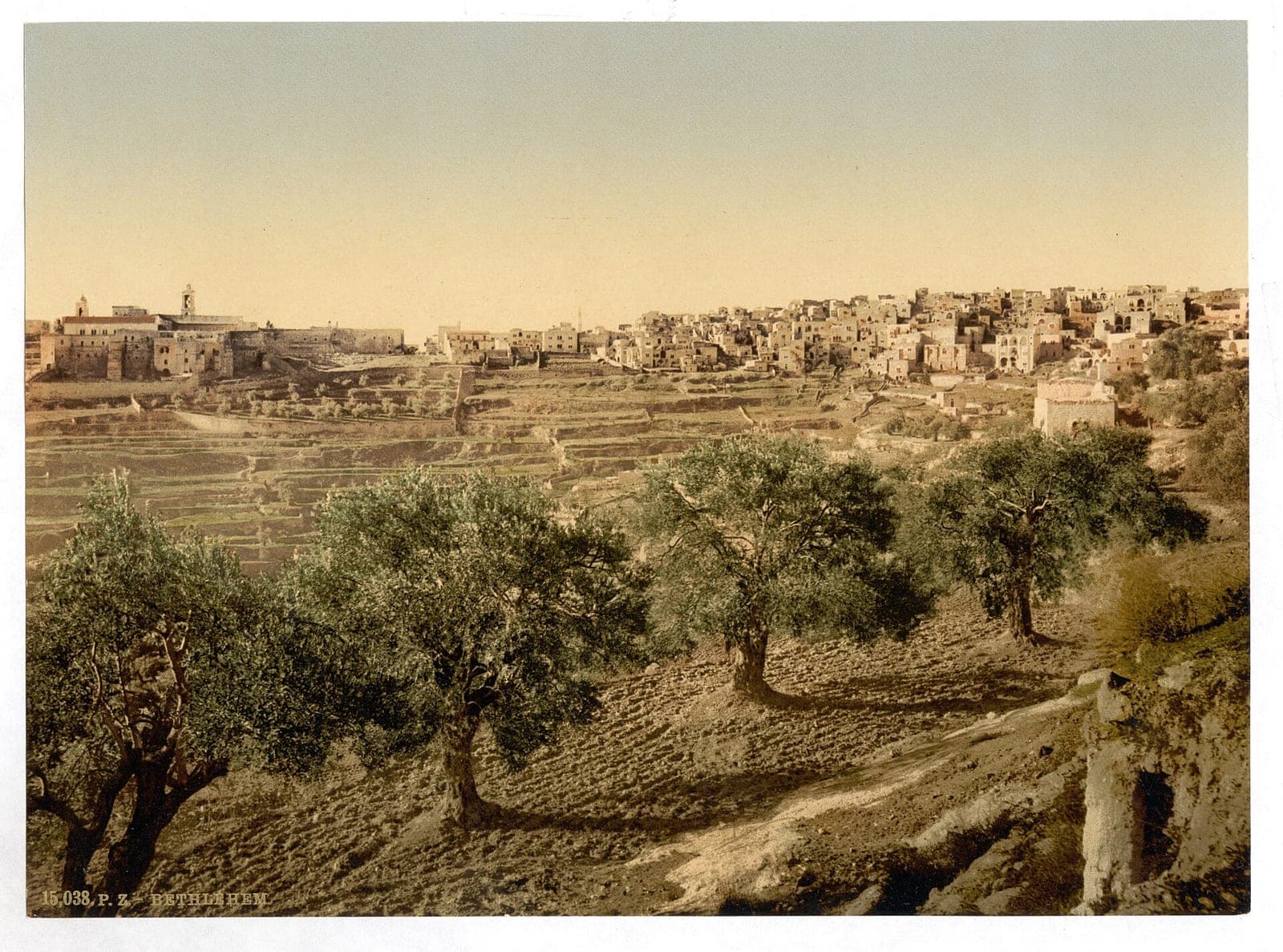
Photo: Photochrom print, Library of Congress Prints and Photographs Division (LCCN 2002724966). License: Public domain in the United States; Library of Congress states no known restrictions on publication. Source. Location: Bethlehem, West Bank; print preserved by the Library of Congress. Resized for the web.
Explore the places of the Bible
See where biblical events happened, why each place matters, and what archaeology helps us understand.
Bethlehem
David's hometown, and the town where Jesus was born.
Get full access with one subscription
Explore the people and places of the Bible. Read summaries of every book, with images and clear explanations covering every chapter. Access all these features and our Bible study tools with one subscription.
See PlansAsk AI about Matthew 26:5
Ask a question about this verse and get a clear answer, with Bible references you can read for yourself.
Every Bible book, explained chapter by chapter
Explore summaries of every book of the Bible, with images and easy-to-understand explanations covering every chapter.
Keep studying Matthew 26:5
Related Bible verses
Key themes
At a Glance — the Book of Matthew
- Author
- Matthew the apostle
- Written
- Around AD 60-70
- Genre
- Gospel
- Original Audience
- Jewish Christians
Frequently Asked Questions
Quick, clear answers about this verse
What does Matthew 26:5 mean?
Matthew 26:5 describes the religious leaders' decision to postpone arresting Jesus during the feast due to fear of public unrest. They prioritize their safety and control over the situation, reflecting their moral failure.
What is the significance of the feast in Matthew 26:5?
The feast mentioned in Matthew 26:5 is a major Jewish celebration, which attracts large crowds. The religious leaders feared that arresting Jesus during this time could provoke a riot among the people.
Why did the leaders want to avoid an uproar in Matthew 26:5?
The leaders wanted to avoid an uproar because they were concerned about losing control and facing backlash from the people who were loyal to Jesus. Their decision shows their political maneuvering.
What does 'not during the feast' imply in Matthew 26:5?
'Not during the feast' implies that the religious leaders were strategically choosing a time to act that would minimize public disturbance. It highlights their awareness of the potential consequences of their actions.
Daily Verse — straight to your inbox
A verse and a 2-sentence plain-English explanation, every morning. Free. Unsubscribe anytime.