New Testament
Matthew 26:62
Read the Bible in clear, modern English—easy to understand, faithful to the meaning, and written for everyday readers.
The high priest stood up and demanded, "Aren't you going to answer? What do you have to say about these accusations?"
Compare translations
And the high priest arose, and said unto him, Answerest thou nothing? what is it which these witness against thee?
What Matthew 26:62 means
Plain-English insight for readers
In this verse, the high priest is confronting Jesus during His trial. The high priest is frustrated that Jesus is not responding to the accusations being made against Him. This moment highlights the tension of the trial, where false witnesses are testifying against Jesus, and He remains silent. The high priest's demand for an answer reflects the urgency and seriousness of the situation. Jesus' silence can be seen as a fulfillment of prophecy, showing His willingness to endure suffering without defending Himself. This moment emphasizes the injustice of the trial and the determination of the religious leaders to condemn Him, regardless of the truth. It also illustrates the theme of suffering and the role of Jesus as the innocent Lamb who does not retaliate against false accusations. This silence speaks volumes about His character and mission, as He ultimately submits to God's plan for redemption, even in the face of wrongful judgment.
How to apply Matthew 26:62 to your life
In our lives, we may face situations where we are falsely accused or misunderstood. Like Jesus, we can choose to respond with grace and patience rather than defensiveness. Trusting in God’s justice can help us endure trials without losing hope or resorting to anger.
Curated for this public verse page. Matthew Summary
Learn the Bible through its people and places
Get to know the people in Scripture through illustrated stories, and explore the places where they lived and traveled.
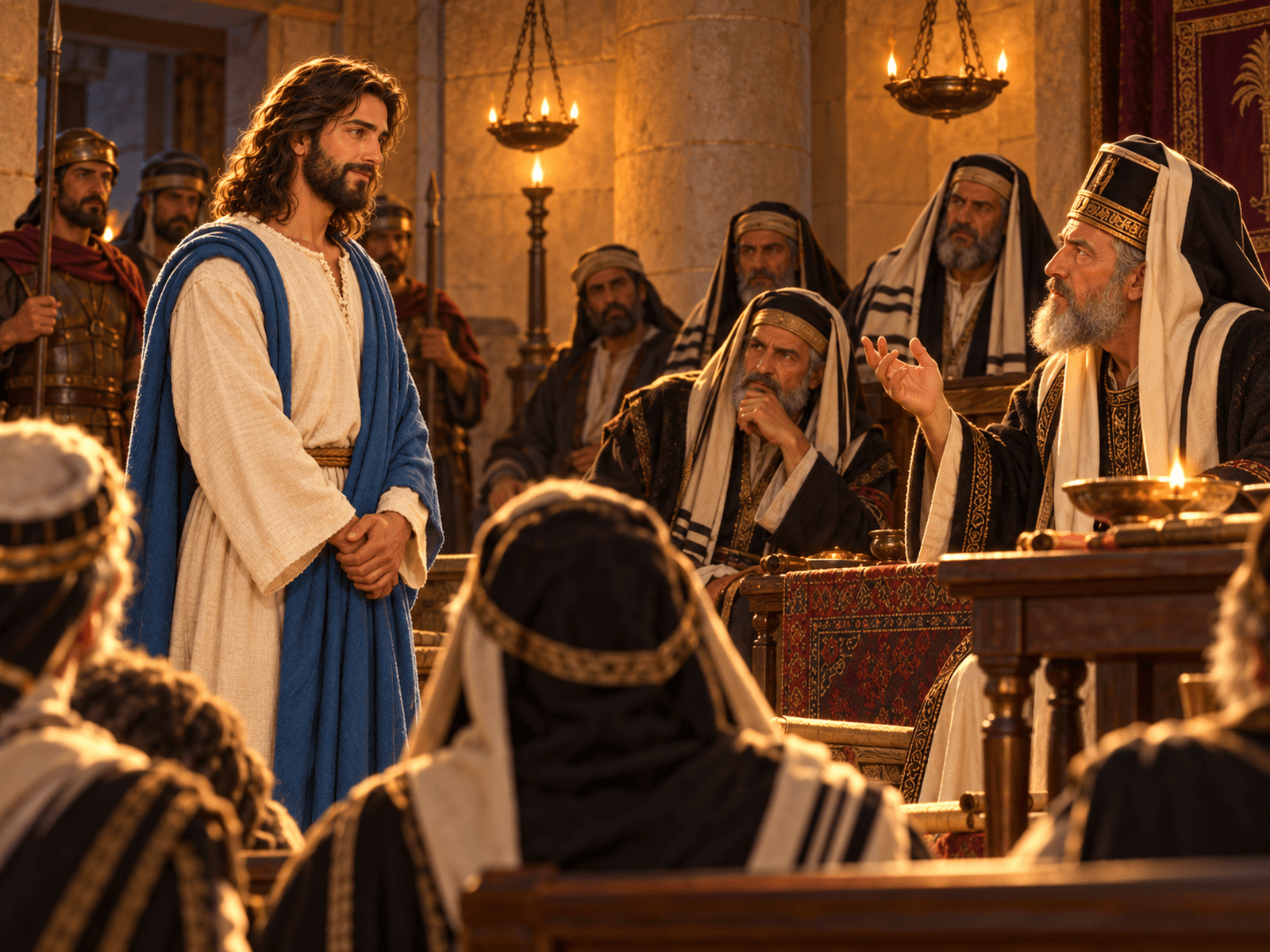
Illustrated scene from Jesus's story: Before the High Priest (Matthew 26:57–68)
Meet the people of the Bible
Follow their lives in order, with illustrated scenes and Bible passages that tell their stories.
 Jesus
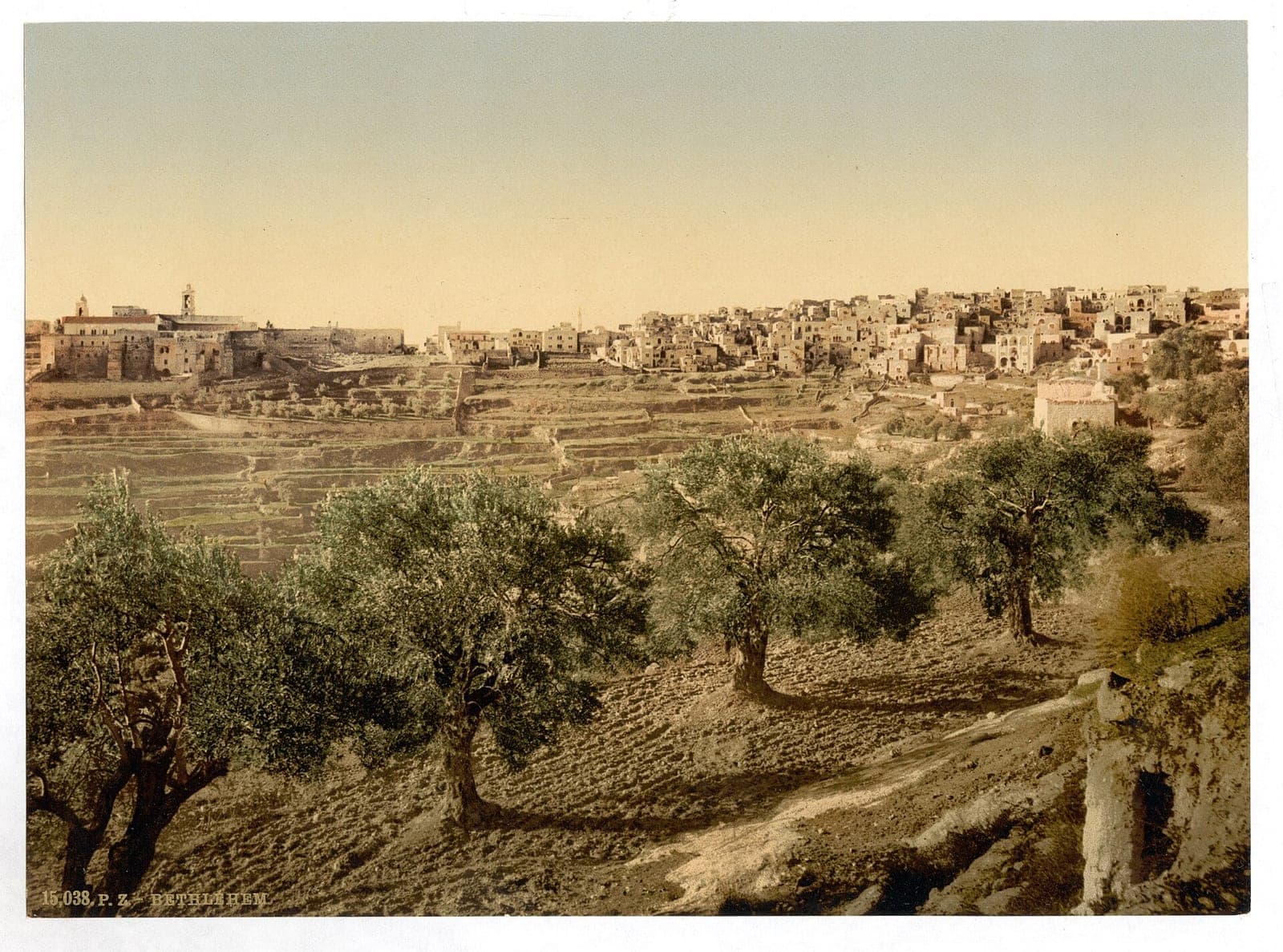
Photo: Photochrom print, Library of Congress Prints and Photographs Division (LCCN 2002724966). License: Public domain in the United States; Library of Congress states no known restrictions on publication. Source. Location: Bethlehem, West Bank; print preserved by the Library of Congress. Resized for the web.
Explore the places of the Bible
See where biblical events happened, why each place matters, and what archaeology helps us understand.
Bethlehem
David's hometown, and the town where Jesus was born.
Get full access with one subscription
Explore the people and places of the Bible. Read summaries of every book, with images and clear explanations covering every chapter. Access all these features and our Bible study tools with one subscription.
See PlansAsk AI about Matthew 26:62
Ask a question about this verse and get a clear answer, with Bible references you can read for yourself.
Every Bible book, explained chapter by chapter
Explore summaries of every book of the Bible, with images and easy-to-understand explanations covering every chapter.
Keep studying Matthew 26:62
Related Bible verses
Key themes
At a Glance — the Book of Matthew
- Author
- Matthew the apostle
- Written
- Around AD 60-70
- Genre
- Gospel
- Original Audience
- Jewish Christians
Frequently Asked Questions
Quick, clear answers about this verse
What does Matthew 26:62 mean?
Matthew 26:62 describes a moment during Jesus' trial when the high priest demands an answer from Him regarding the accusations made by false witnesses. Jesus' silence highlights the tension of the trial and His willingness to endure suffering without defending Himself.
What is the significance of the high priest's question in Matthew 26:62?
The high priest's question reflects his frustration and urgency as he confronts Jesus about the accusations. It underscores the seriousness of the trial and the determination of the religious leaders to condemn Jesus, despite the lack of truth in the accusations.
Why did Jesus remain silent in Matthew 26:62?
Jesus remained silent in Matthew 26:62 as a fulfillment of prophecy and to demonstrate His submission to God's plan. His silence in the face of false accusations emphasizes His role as the innocent Lamb who endures suffering without retaliation.
How does Matthew 26:62 relate to themes of injustice?
Matthew 26:62 illustrates themes of injustice by showing how false witnesses testify against Jesus while He remains silent. This moment highlights the wrongful judgment He faces and the determination of the religious leaders to condemn Him regardless of the truth.
Daily Verse — straight to your inbox
A verse and a 2-sentence plain-English explanation, every morning. Free. Unsubscribe anytime.