New Testament
Matthew 7:18
Read the Bible in clear, modern English—easy to understand, faithful to the meaning, and written for everyday readers.
A healthy tree can't produce bad fruit, and a rotten tree can't produce good fruit.
Compare translations
A good tree cannot bring forth evil fruit, neither can a corrupt tree bring forth good fruit.
What Matthew 7:18 means
Plain-English insight for readers
In this verse, Jesus uses the metaphor of trees and fruit to illustrate a fundamental principle about character and behavior. A healthy tree, which represents a good person or a righteous life, will naturally produce good fruit, symbolizing positive actions and outcomes. Conversely, a rotten tree, representing a corrupt or sinful life, cannot produce good fruit. This teaching emphasizes that the nature of a person’s heart and character will ultimately determine their actions and the results of their lives. It serves as a reminder that true goodness comes from within and that one’s actions reflect their inner state. Therefore, we should examine the fruits of our lives and the lives of others to discern true character. This principle also applies to leaders and teachers, as their teachings and behaviors will reveal their true nature.
How to apply Matthew 7:18 to your life
To apply this teaching, we should reflect on our own lives and the fruits we are producing. Are our actions aligned with our values? Additionally, we should be discerning when evaluating others, recognizing that their behaviors often reveal their true character. Surrounding ourselves with good influences can help us grow positively.
Curated for this public verse page. Matthew Summary
Learn the Bible through its people and places
Get to know the people in Scripture through illustrated stories, and explore the places where they lived and traveled.
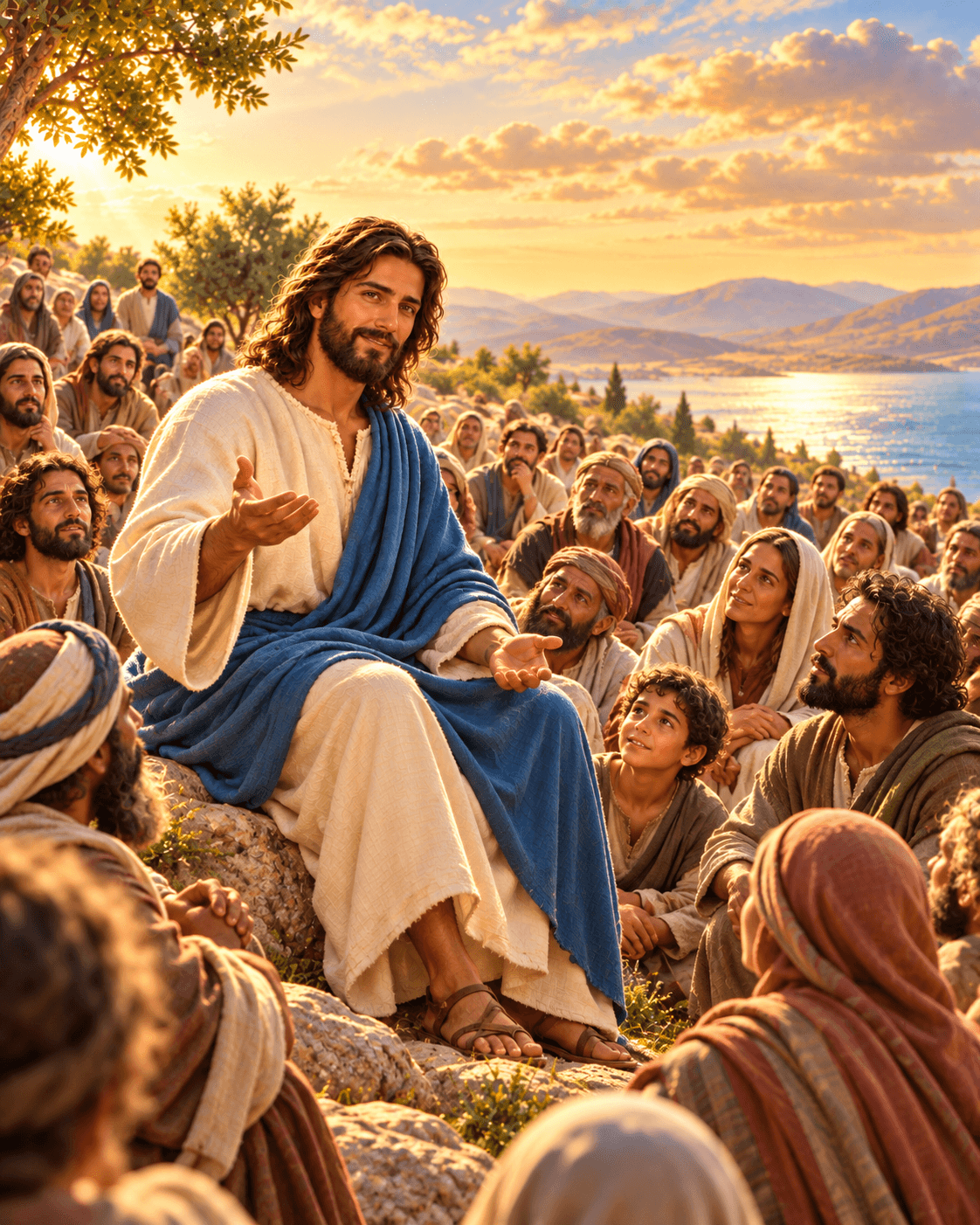
Illustrated scene from Jesus's story: The Sermon on the Mount (Matthew 5:1–7:29)
Meet the people of the Bible
Follow their lives in order, with illustrated scenes and Bible passages that tell their stories.
 Jesus

Photo: Gary Todd (Gary Lee Todd, Ph.D.), via Wikimedia Commons. License: CC0 1.0 Universal Public Domain Dedication. Source. Location: Southern end of the Temple Mount, Jerusalem Old City. Resized for the web.
Explore the places of the Bible
See where biblical events happened, why each place matters, and what archaeology helps us understand.
Jerusalem
David's capital, the city of the temple, and the place where Jesus died and rose again.
Get full access with one subscription
Explore the people and places of the Bible. Read summaries of every book, with images and clear explanations covering every chapter. Access all these features and our Bible study tools with one subscription.
See PlansAsk AI about Matthew 7:18
Ask a question about this verse and get a clear answer, with Bible references you can read for yourself.
Every Bible book, explained chapter by chapter
Explore summaries of every book of the Bible, with images and easy-to-understand explanations covering every chapter.
Keep studying Matthew 7:18
Related Bible verses
Key themes
Related topics
At a Glance — the Book of Matthew
- Author
- Matthew the apostle
- Written
- Around AD 60-70
- Genre
- Gospel
- Original Audience
- Jewish Christians
Frequently Asked Questions
Quick, clear answers about this verse
What does Matthew 7:18 mean?
Matthew 7:18 illustrates that a person's true character is reflected in their actions. A good person will naturally do good things, while a corrupt person cannot produce good outcomes.
What is the meaning of 'good fruit' in Matthew 7:18?
In Matthew 7:18, 'good fruit' symbolizes positive actions and outcomes that come from a righteous life. It represents the results of a person's inner goodness and integrity.
How can I apply Matthew 7:18 in my life?
To apply Matthew 7:18, reflect on your actions and ensure they align with your values. Also, be mindful of the influences around you, as they can impact your character and behavior.
What does 'a corrupt tree cannot bring forth good fruit' mean?
This phrase means that someone with a flawed or sinful character cannot produce positive outcomes. It emphasizes that true goodness must come from a healthy inner state.
Daily Verse — straight to your inbox
A verse and a 2-sentence plain-English explanation, every morning. Free. Unsubscribe anytime.