New Testament
Matthew 9:34
Read the Bible in clear, modern English—easy to understand, faithful to the meaning, and written for everyday readers.
But the Pharisees claimed, "He drives out demons by the power of the prince of demons."
Compare translations
But the Pharisees said, He casteth out devils through the prince of the devils.
What Matthew 9:34 means
Plain-English insight for readers
In this verse, the Pharisees, who were religious leaders, accused Jesus of casting out demons by the power of Satan, referred to as the 'prince of demons.' This accusation reflects their disbelief in Jesus' divine authority and their unwillingness to accept His miracles as acts of God. Instead of recognizing the good He was doing by freeing people from demonic oppression, they attributed His power to evil. This highlights a significant conflict between Jesus and the religious authorities of the time, showcasing their fear of losing influence and control. The Pharisees' claim also serves as a warning about the dangers of attributing God's work to evil forces, which can lead to spiritual blindness. Jesus' response to such accusations later in the chapter emphasizes the illogical nature of their claims, as a kingdom divided against itself cannot stand. This moment illustrates the tension between faith and skepticism, and the challenges faced by those who seek to follow Jesus amidst opposition.
How to apply Matthew 9:34 to your life
This verse encourages us to be cautious about how we judge others' actions, especially when they are doing good. It reminds us to seek understanding and discernment rather than jumping to conclusions based on our biases. We should be open to recognizing God's work in unexpected ways.
Curated for this public verse page. Matthew Summary
Explore more of the Bible
Learn the Bible through its people and places
Get to know the people in Scripture through illustrated stories, and explore the places where they lived and traveled.
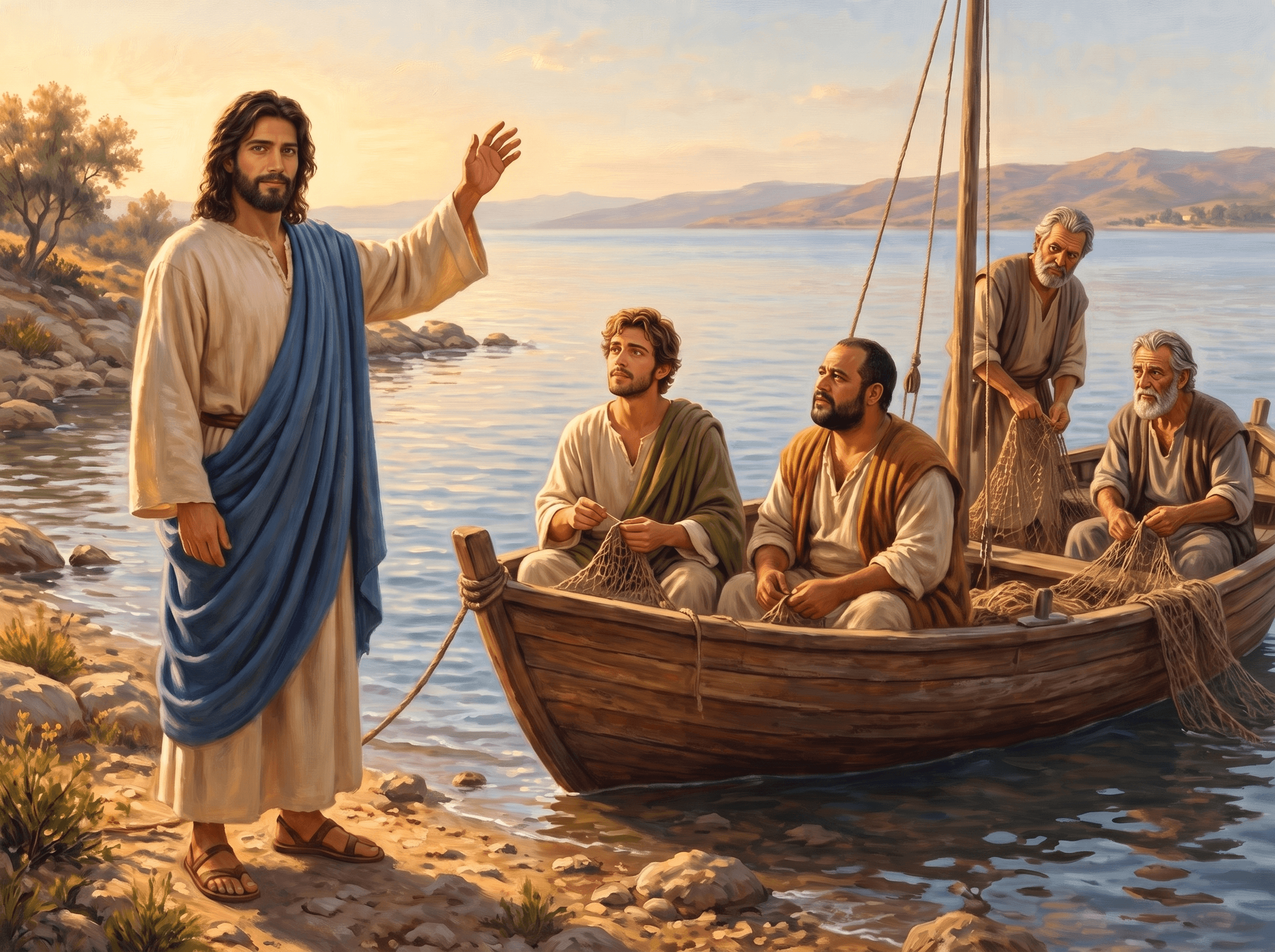
Illustrated scene from John the Apostle's story: Mending Their Nets (Mark 1:19–20)
Meet the people of the Bible
Follow their lives in order, with illustrated scenes and Bible passages that tell their stories.
 John the Apostle

Photo: Photochrom print, Library of Congress Prints and Photographs Division (LCCN 2002725045). License: Public domain in the United States; Library of Congress states no known restrictions on publication. Source. Location: Nazareth, Israel; print preserved by the Library of Congress. Resized for the web.
Explore the places of the Bible
See where biblical events happened, why each place matters, and what archaeology helps us understand.
Nazareth
The small town in Galilee where Jesus grew up.
Get full access with one subscription
Explore the people and places of the Bible. Read summaries of every book, with images and clear explanations covering every chapter. Access all these features and our Bible study tools with one subscription.
See PlansAsk AI about Matthew 9:34
Ask a question about this verse and get a clear answer, with Bible references you can read for yourself.
Every Bible book, explained chapter by chapter
Explore summaries of every book of the Bible, with images and easy-to-understand explanations covering every chapter.
Keep studying Matthew 9:34
Related Bible verses
Key themes
Related topics
At a Glance — the Book of Matthew
- Author
- Matthew the apostle
- Written
- Around AD 60-70
- Genre
- Gospel
- Original Audience
- Jewish Christians
Frequently Asked Questions
Quick, clear answers about this verse
What does Matthew 9:34 mean?
Matthew 9:34 describes how the Pharisees accused Jesus of casting out demons by the power of Satan, indicating their disbelief in His divine authority. This accusation highlights the conflict between Jesus and the religious leaders, who were unwilling to accept His miracles as acts of God.
What is the significance of the 'prince of demons' in Matthew 9:34?
The 'prince of demons' refers to Satan, suggesting that the Pharisees believed Jesus was using evil power to perform His miracles. This phrase underscores their rejection of Jesus' divine nature and the good He was doing.
What does this verse reveal about the Pharisees' attitude towards Jesus?
This verse shows that the Pharisees were skeptical and hostile towards Jesus, choosing to attribute His miraculous works to evil rather than recognizing His divine authority. Their accusation reflects their fear of losing influence and control over the people.
How does Matthew 9:34 relate to the theme of spiritual warfare?
Matthew 9:34 illustrates spiritual warfare by depicting the struggle between Jesus, who represents God's power, and the Pharisees, who accuse Him of using demonic forces. This conflict emphasizes the ongoing battle between good and evil.
Daily Verse — straight to your inbox
A verse and a 2-sentence plain-English explanation, every morning. Free. Unsubscribe anytime.