Old Testament
Nehemiah 1:7
Read the Bible in clear, modern English—easy to understand, faithful to the meaning, and written for everyday readers.
We have acted very corruptly against you and have not kept the commandments, the statutes, or the judgments you gave to your servant Moses.
Compare translations
We have dealt very corruptly against thee, and have not kept the commandments, nor the statutes, nor the judgments, which thou commandedst thy servant Moses.
What Nehemiah 1:7 means
Plain-English insight for readers
In this verse, Nehemiah acknowledges the wrongdoing of the Israelites. He admits that they have acted corruptly against God by failing to follow the commandments, statutes, and judgments that were given to Moses. This confession highlights the seriousness of their disobedience and the consequences that come from turning away from God's laws. Nehemiah's recognition of their failures is a crucial step in seeking restoration and forgiveness. By admitting their sins, he sets the stage for a collective return to faithfulness and obedience to God. This verse serves as a reminder of the importance of adhering to God's instructions and the need for repentance when we stray from His path. Nehemiah's heartfelt acknowledgment of their corruption reflects a deep understanding of their covenant relationship with God and the responsibilities that come with it. It emphasizes the need for humility and accountability in our spiritual lives, encouraging believers to reflect on their own actions and seek to align with God's will.
How to apply Nehemiah 1:7 to your life
This verse encourages us to reflect on our own lives and recognize areas where we may have strayed from God's commands. Acknowledging our shortcomings is the first step toward seeking forgiveness and making necessary changes. It reminds us to prioritize obedience to God's word in our daily actions.
Curated for this public verse page. Nehemiah Summary
Explore more of the Bible
Learn the Bible through its people and places
Get to know the people in Scripture through illustrated stories, and explore the places where they lived and traveled.

Illustrated scene from Moses's story: Israel Enslaved in Egypt (Exodus 1:8–22)
Meet the people of the Bible
Follow their lives in order, with illustrated scenes and Bible passages that tell their stories.
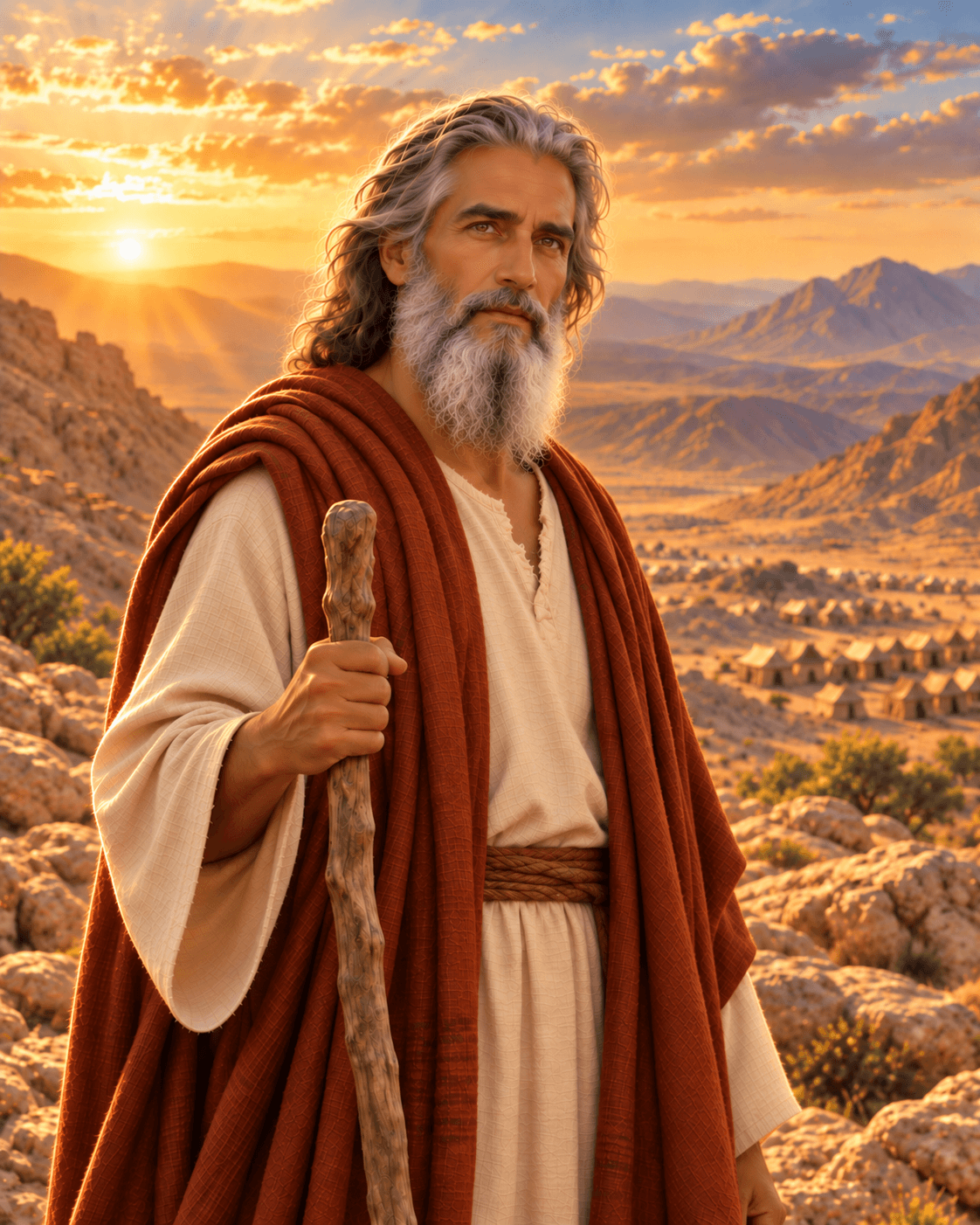 Moses
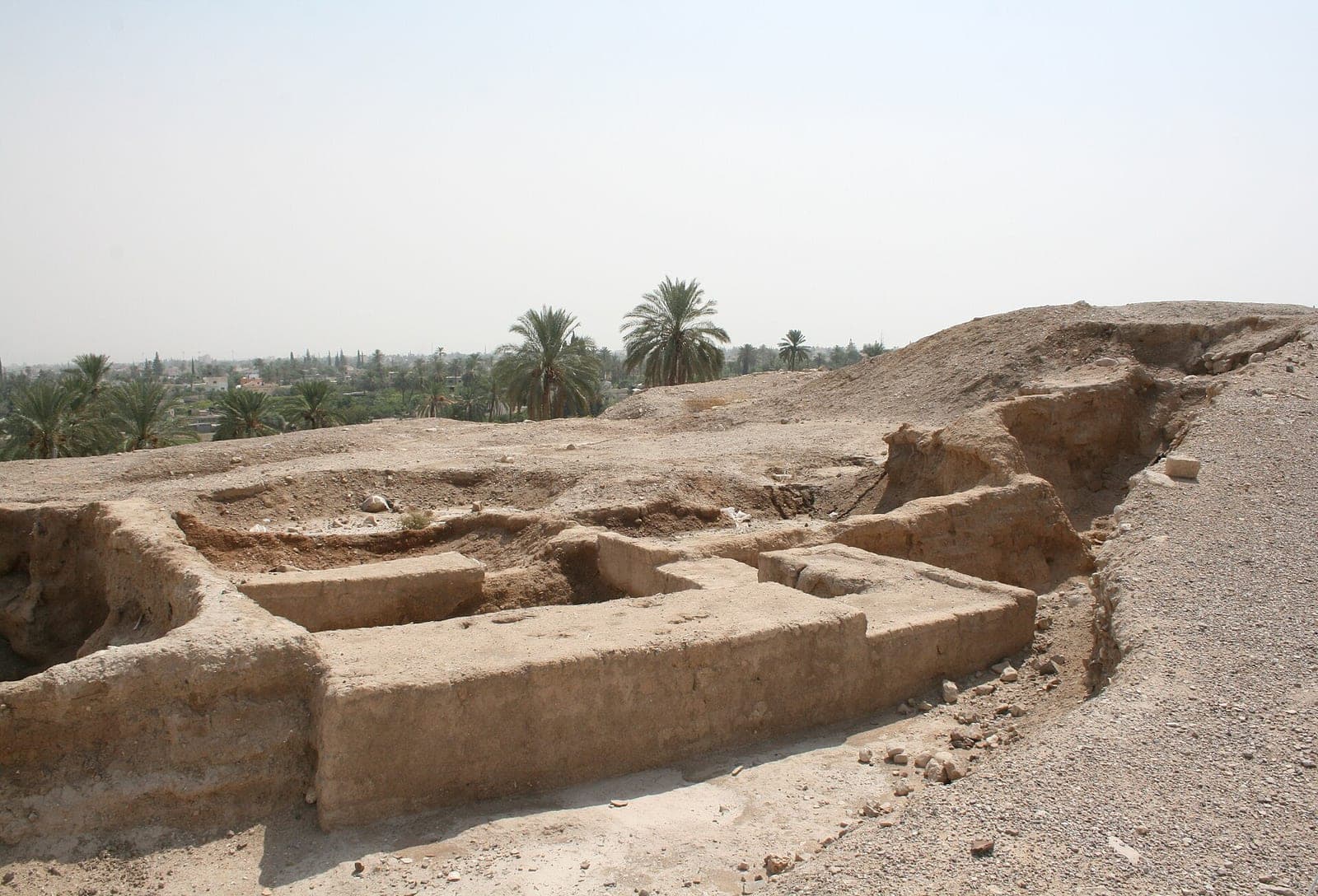
Photo: Diego Delso, via Wikimedia Commons. License: CC BY-SA 3.0. Source. Location: Tell es-Sultan, Jericho, West Bank. Resized for the web.
Explore the places of the Bible
See where biblical events happened, why each place matters, and what archaeology helps us understand.
Jericho
The city of palm trees, whose walls fell in Joshua's day.
Get full access with one subscription
Explore the people and places of the Bible. Read summaries of every book, with images and clear explanations covering every chapter. Access all these features and our Bible study tools with one subscription.
See PlansAsk AI about Nehemiah 1:7
Ask a question about this verse and get a clear answer, with Bible references you can read for yourself.
Every Bible book, explained chapter by chapter
Explore summaries of every book of the Bible, with images and easy-to-understand explanations covering every chapter.
Keep studying Nehemiah 1:7
Related Bible verses
Key themes
Related topics
At a Glance — the Book of Nehemiah
- Author
- Nehemiah, with Ezra
- Written
- Around 430 BC
- Genre
- Historical narrative
- Original Audience
- The post-exilic Jewish community
Frequently Asked Questions
Quick, clear answers about this verse
What does Nehemiah 1:7 mean?
Nehemiah 1:7 expresses the Israelites' acknowledgment of their wrongdoing against God. They confess that they have failed to follow the commandments and laws given to Moses, highlighting their need for repentance and restoration.
What is the significance of confession in Nehemiah 1:7?
The confession in Nehemiah 1:7 is significant as it shows the Israelites' recognition of their sins and their desire to return to God's ways. It emphasizes the importance of admitting faults as a step toward seeking forgiveness and renewal.
What are the commandments mentioned in Nehemiah 1:7?
The commandments mentioned in Nehemiah 1:7 refer to the laws and guidelines given by God to Moses for the Israelites. These include moral, ceremonial, and civil laws that were meant to govern their relationship with God and each other.
How does Nehemiah 1:7 relate to the theme of restoration?
Nehemiah 1:7 relates to the theme of restoration by illustrating the need for the Israelites to confess their sins before they can seek to rebuild their relationship with God. Acknowledging their failures is crucial for their spiritual renewal and returning to obedience.
Daily Verse — straight to your inbox
A verse and a 2-sentence plain-English explanation, every morning. Free. Unsubscribe anytime.