Old Testament
Nehemiah 10:11
Read the Bible in clear, modern English—easy to understand, faithful to the meaning, and written for everyday readers.
Micha, Rehob, Hashabiah,
Compare translations
Micha, Rehob, Hashabiah,
What Nehemiah 10:11 means
Plain-English insight for readers
In Nehemiah 10:11, we see a list of names, specifically Micha, Rehob, and Hashabiah. These individuals were likely part of the community that returned from exile and were involved in the rebuilding of Jerusalem and the restoration of the covenant with God. This verse highlights the importance of community and leadership in fulfilling God's purposes. Each name represents a person who contributed to the collective effort of the Israelites to renew their commitment to God after a period of disobedience and exile. The mention of these names serves as a reminder that every individual plays a role in the larger narrative of faith and community. It emphasizes the significance of accountability and the need for leaders who guide others in their spiritual journey. By recognizing these individuals, the text underscores the value of remembering those who have dedicated themselves to God's work and the importance of unity in achieving common goals.
How to apply Nehemiah 10:11 to your life
This verse encourages us to recognize and appreciate the contributions of individuals in our communities. It reminds us that everyone has a role to play in achieving collective goals, especially in spiritual matters. We should strive to support and uplift one another in our commitments to faith and service.
Curated for this public verse page. Nehemiah Summary
Explore more of the Bible
Learn the Bible through its people and places
Get to know the people in Scripture through illustrated stories, and explore the places where they lived and traveled.

Illustrated scene from Daniel's story: Faithful at the King's Table (Daniel 1:1–21)
Meet the people of the Bible
Follow their lives in order, with illustrated scenes and Bible passages that tell their stories.
 Daniel
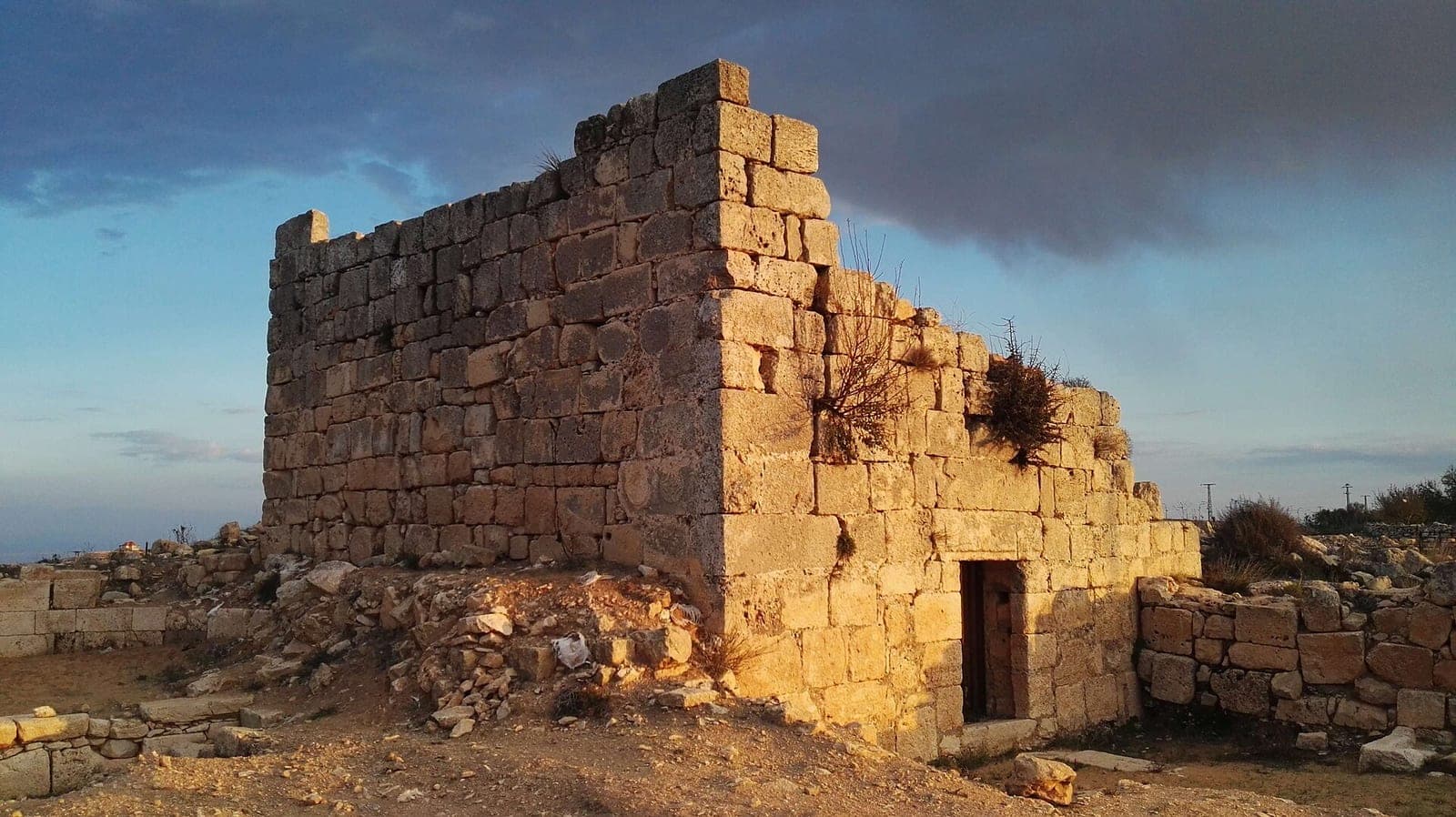
Photo: Bukvoed, via Wikimedia Commons. License: CC BY 4.0. Source. Location: Burj Beitin, Beitin, Ramallah and al-Bireh Governorate, West Bank. Resized for the web.
Explore the places of the Bible
See where biblical events happened, why each place matters, and what archaeology helps us understand.
Bethel
Where Jacob dreamed of a stairway to heaven and met God.
Get full access with one subscription
Explore the people and places of the Bible. Read summaries of every book, with images and clear explanations covering every chapter. Access all these features and our Bible study tools with one subscription.
See PlansAsk AI about Nehemiah 10:11
Ask a question about this verse and get a clear answer, with Bible references you can read for yourself.
Every Bible book, explained chapter by chapter
Explore summaries of every book of the Bible, with images and easy-to-understand explanations covering every chapter.
Keep studying Nehemiah 10:11
Related Bible verses
Key themes
Related topics
At a Glance — the Book of Nehemiah
- Author
- Nehemiah, with Ezra
- Written
- Around 430 BC
- Genre
- Historical narrative
- Original Audience
- The post-exilic Jewish community
Frequently Asked Questions
Quick, clear answers about this verse
Who are Micha, Rehob, and Hashabiah in Nehemiah 10:11?
Micha, Rehob, and Hashabiah are names mentioned in Nehemiah 10:11 as part of a list of individuals who returned from exile and contributed to the rebuilding of Jerusalem. They represent community leaders and faithful individuals who played a role in restoring the covenant with God after a period of disobedience.
What is the significance of naming individuals in Nehemiah 10:11?
The mention of Micha, Rehob, and Hashabiah highlights the importance of individual contributions within a community. It emphasizes that each person has a role in fulfilling God's purposes and that collective efforts are essential for spiritual renewal and accountability among the Israelites.
How does Nehemiah 10:11 relate to community and leadership?
Nehemiah 10:11 illustrates the themes of community and leadership by showcasing individuals who took part in a significant collective effort. Their involvement signifies the need for strong leaders who guide others in their faith journey and the importance of unity in achieving shared spiritual goals.
What can we learn from Nehemiah 10:11 about our own communities?
From Nehemiah 10:11, we learn the value of recognizing and appreciating the contributions of individuals in our communities. It encourages us to support one another in our commitments to faith and service, reminding us that everyone plays a vital role in achieving collective goals.
Daily Verse — straight to your inbox
A verse and a 2-sentence plain-English explanation, every morning. Free. Unsubscribe anytime.