Old Testament
Numbers 11:34
Read the Bible in clear, modern English—easy to understand, faithful to the meaning, and written for everyday readers.
That place was named Kibroth Hattaavah, which means "graves of craving," because that's where they buried the people who had given in to their cravings.
Compare translations
And he called the name of that place Kibrothhattaavah: because there they buried the people that lusted.
What Numbers 11:34 means
Plain-English insight for readers
In Numbers 11:34, the Israelites faced severe consequences for their cravings and desires. They had been complaining about their food and longing for the variety they had in Egypt, which led to God sending quail. However, their insatiable desire resulted in a plague that killed many. The name Kibroth Hattaavah, meaning "graves of craving," reflects the tragic outcome of their lust for more than what God provided. This story serves as a warning about the dangers of giving in to our cravings and desires without gratitude for what we have. It highlights the importance of contentment and trusting in God's provision, rather than allowing our desires to lead us away from His will. The burial of those who succumbed to their cravings symbolizes the spiritual death that can result from unchecked desires, reminding us to seek fulfillment in God rather than in fleeting pleasures.
How to apply Numbers 11:34 to your life
This passage encourages us to reflect on our own desires and cravings. Are we seeking fulfillment in things that lead us away from God? We should practice gratitude for what we have and trust that God knows our needs better than we do. Contentment can lead to a more fulfilling life.
Curated for this public verse page. Numbers Summary
Learn the Bible through its people and places
Get to know the people in Scripture through illustrated stories, and explore the places where they lived and traveled.
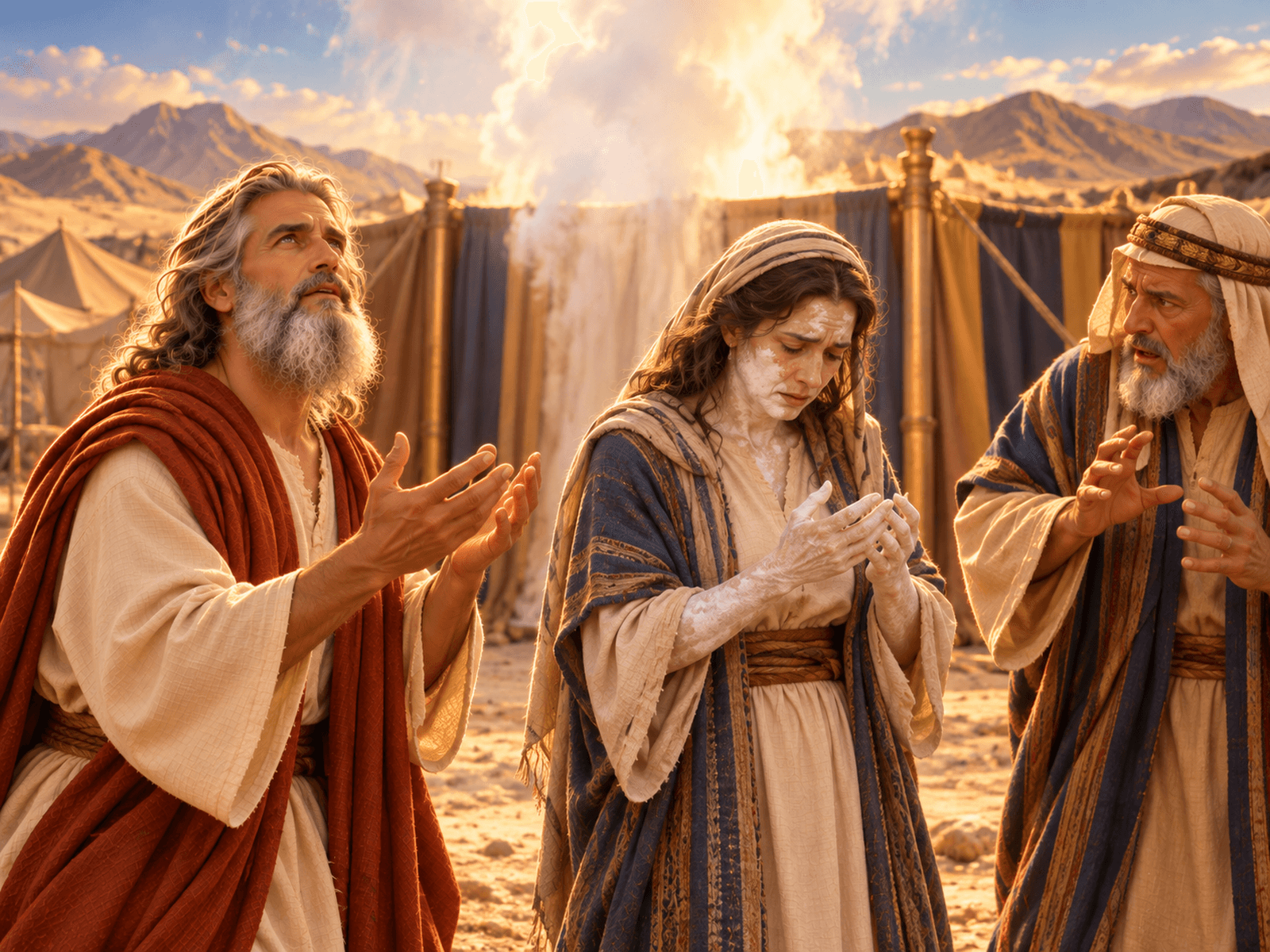
Illustrated scene from Moses's story: Seventy Elders and the Quail (Numbers 11:1–35)
Meet the people of the Bible
Follow their lives in order, with illustrated scenes and Bible passages that tell their stories.
 Moses

Photo: Zeev Stein / PikiWiki Israel, via Wikimedia Commons. License: CC BY 2.5. Source. Location: Tel Beer Sheva National Park, Israel. Resized for the web.
Explore the places of the Bible
See where biblical events happened, why each place matters, and what archaeology helps us understand.
Beersheba
Where Abraham and Isaac dug wells and worshiped the LORD, at the southern edge of the land.
Get full access with one subscription
Explore the people and places of the Bible. Read summaries of every book, with images and clear explanations covering every chapter. Access all these features and our Bible study tools with one subscription.
See PlansAsk AI about Numbers 11:34
Ask a question about this verse and get a clear answer, with Bible references you can read for yourself.
Every Bible book, explained chapter by chapter
Explore summaries of every book of the Bible, with images and easy-to-understand explanations covering every chapter.
Keep studying Numbers 11:34
Related Bible verses
Key themes
Related topics
At a Glance — the Book of Numbers
- Author
- Traditionally attributed to Moses
- Written
- Around 1400 BC
- Genre
- Law (Pentateuch)
- Original Audience
- The Israelites in the wilderness
Frequently Asked Questions
Quick, clear answers about this verse
What does Numbers 11:34 mean?
Numbers 11:34 refers to the place called Kibroth Hattaavah, meaning 'graves of craving.' It highlights the consequences faced by the Israelites for their excessive desires and complaints about God's provision, leading to their deaths.
What is the meaning of Kibroth Hattaavah in Numbers 11:34?
Kibroth Hattaavah translates to 'graves of craving.' This name signifies the burial site of those who succumbed to their insatiable desires for food, illustrating the dangers of unchecked cravings.
Why did the Israelites die in Numbers 11:34?
The Israelites died because they gave in to their cravings for more food, complaining about what God provided. Their insatiable desires led to a plague, demonstrating the severe consequences of ungratefulness.
What lesson can we learn from Numbers 11:34?
Numbers 11:34 teaches the importance of contentment and gratitude for what we have. It warns against allowing our cravings to lead us away from God's will and highlights the spiritual dangers of unchecked desires.
Daily Verse — straight to your inbox
A verse and a 2-sentence plain-English explanation, every morning. Free. Unsubscribe anytime.