Old Testament
Obadiah 1:3
Read the Bible in clear, modern English—easy to understand, faithful to the meaning, and written for everyday readers.
The pride of your heart has deceived you, you who live in the clefts of the rock, whose dwelling is high; you say in your heart, 'Who can bring me down to the ground?'
Compare translations
The pride of thine heart hath deceived thee, thou that dwellest in the clefts of the rock, whose habitation is high; that saith in his heart, Who shall bring me down to the ground?
What Obadiah 1:3 means
Plain-English insight for readers
In Obadiah 1:3, the verse addresses the pride and arrogance of Edom, a nation that felt secure due to its geographical advantages, such as living in high, rocky places. This pride led them to believe they were invincible and beyond the reach of others. The verse highlights how their self-deception blinded them to the reality of their vulnerability. They thought that no one could bring them down, but this attitude of superiority ultimately set them up for downfall. The message serves as a warning against the dangers of pride, which can distort our perception of reality and lead to our own destruction. It emphasizes that no matter how secure we may feel, we should remain humble and aware of our limitations, as pride can lead to a fall.
How to apply Obadiah 1:3 to your life
This verse encourages us to examine our own hearts for pride. We should recognize that feeling invincible can lead to our downfall. Instead of relying on our perceived strengths, we should practice humility and remain open to the reality of our situations, seeking wisdom and guidance.
Curated for this public verse page. Obadiah Summary
Explore more of the Bible
Learn the Bible through its people and places
Get to know the people in Scripture through illustrated stories, and explore the places where they lived and traveled.

Illustrated scene from Daniel's story: Faithful at the King's Table (Daniel 1:1–21)
Meet the people of the Bible
Follow their lives in order, with illustrated scenes and Bible passages that tell their stories.
 Daniel
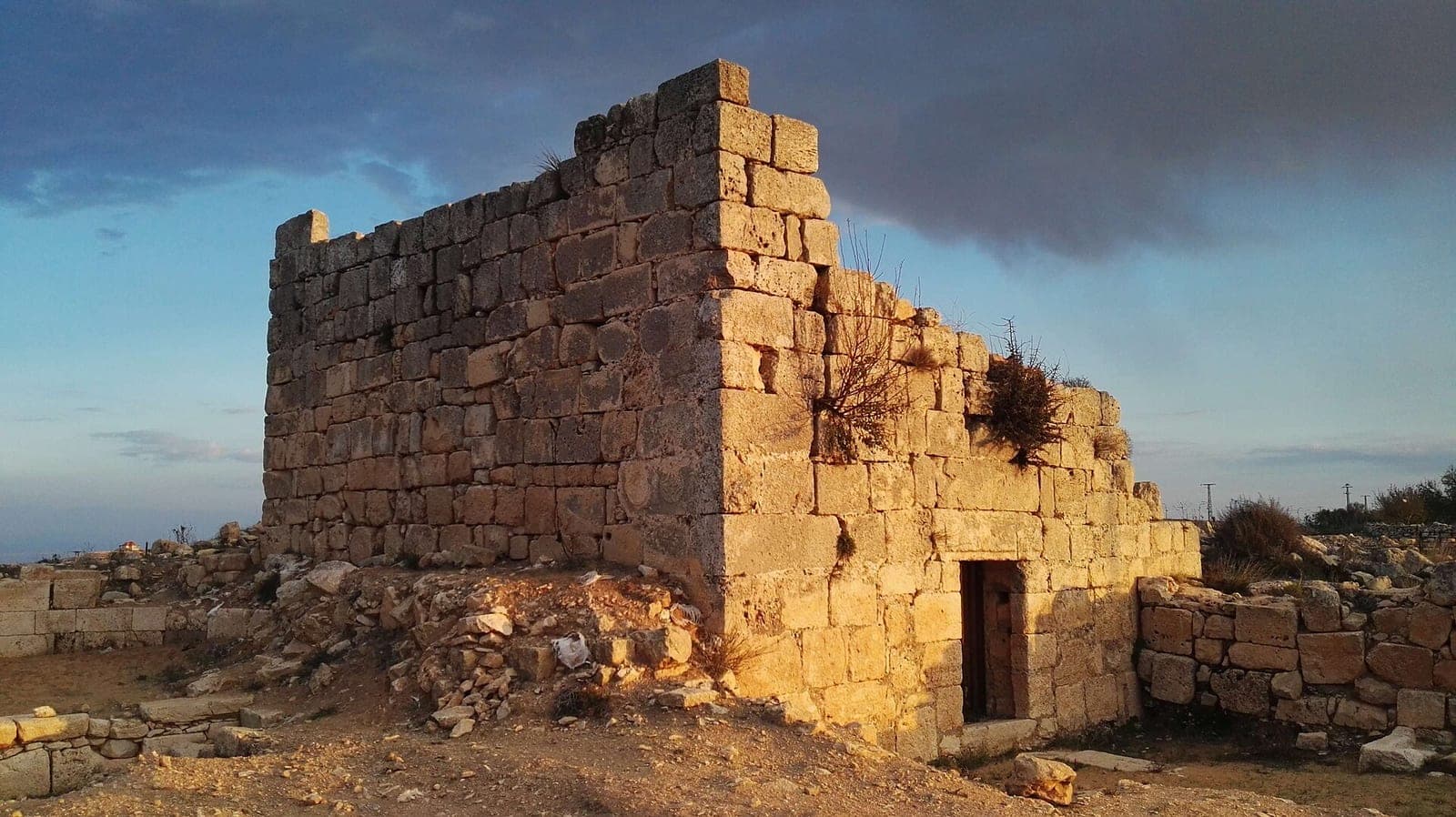
Photo: Bukvoed, via Wikimedia Commons. License: CC BY 4.0. Source. Location: Burj Beitin, Beitin, Ramallah and al-Bireh Governorate, West Bank. Resized for the web.
Explore the places of the Bible
See where biblical events happened, why each place matters, and what archaeology helps us understand.
Bethel
Where Jacob dreamed of a stairway to heaven and met God.
Get full access with one subscription
Explore the people and places of the Bible. Read summaries of every book, with images and clear explanations covering every chapter. Access all these features and our Bible study tools with one subscription.
See PlansAsk AI about Obadiah 1:3
Ask a question about this verse and get a clear answer, with Bible references you can read for yourself.
Every Bible book, explained chapter by chapter
Explore summaries of every book of the Bible, with images and easy-to-understand explanations covering every chapter.
Keep studying Obadiah 1:3
Related Bible verses
Related topics
At a Glance — the Book of Obadiah
- Author
- Obadiah the prophet
- Written
- Around 586 BC
- Genre
- Prophecy
- Original Audience
- Israel concerning Edom
Frequently Asked Questions
Quick, clear answers about this verse
What does Obadiah 1:3 mean?
Obadiah 1:3 highlights the pride and false sense of security of Edom, a nation that believed its high and rocky dwelling made it invulnerable. The verse warns that such arrogance can lead to self-deception and eventual downfall.
What is the significance of pride in Obadiah 1:3?
In Obadiah 1:3, pride is portrayed as a deceptive force that blinds individuals to their vulnerabilities. The verse serves as a reminder that excessive pride can distort our perception and lead to negative consequences.
What does the phrase 'clefts of the rock' mean in Obadiah 1:3?
The phrase 'clefts of the rock' refers to the high, secure locations where the Edomites lived, symbolizing their false sense of safety and superiority. It illustrates how their geographical advantages contributed to their pride.
How does Obadiah 1:3 relate to vulnerability?
Obadiah 1:3 emphasizes that despite their perceived security, the Edomites were vulnerable due to their pride. The verse teaches that feeling invincible can blind us to real dangers and lead to our downfall.
Daily Verse — straight to your inbox
A verse and a 2-sentence plain-English explanation, every morning. Free. Unsubscribe anytime.