Old Testament
Psalms 115:7
Read the Bible in clear, modern English—easy to understand, faithful to the meaning, and written for everyday readers.
They have hands, but they do not handle. They have feet, but they do not walk. Neither do they speak through their throat.
Compare translations
They have hands, but they handle not: feet have they, but they walk not: neither speak they through their throat.
What Psalms 115:7 means
Plain-English insight for readers
This verse highlights the futility of idol worship by describing the lifelessness of idols. They are depicted as having physical features like hands and feet, yet they cannot perform any actions or communicate. This serves to emphasize that these idols are powerless and cannot help their worshippers. The psalmist contrasts the living God, who is active and responsive, with these inanimate objects that cannot fulfill any needs or desires. The imagery suggests that reliance on such idols is misguided, as they lack the ability to act or speak, making them ineffective in providing guidance or support. This verse serves as a reminder of the importance of worshiping a living God who is capable of engaging with His people, unlike the lifeless idols that cannot respond or assist in any way.
How to apply Psalms 115:7 to your life
In our modern lives, we may not worship physical idols, but we can still place our trust in things that are ultimately powerless, like wealth or status. This verse encourages us to evaluate what we truly rely on and to ensure our faith is placed in the living God who can act and respond to our needs.
Curated for this public verse page. Psalms Summary
Explore more of the Bible
Learn the Bible through its people and places
Get to know the people in Scripture through illustrated stories, and explore the places where they lived and traveled.

Illustrated scene from Moses's story: Israel Enslaved in Egypt (Exodus 1:8–22)
Meet the people of the Bible
Follow their lives in order, with illustrated scenes and Bible passages that tell their stories.
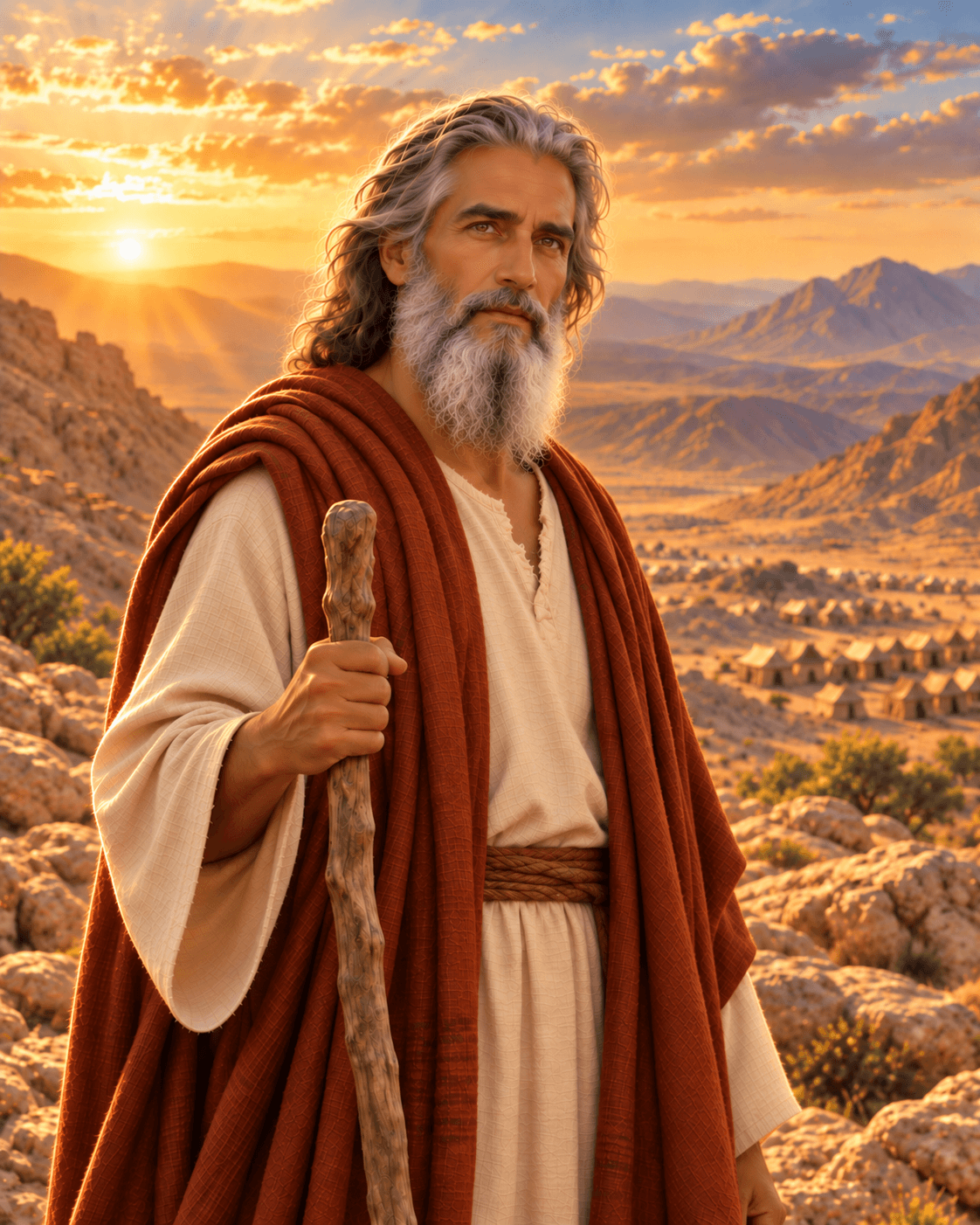 Moses
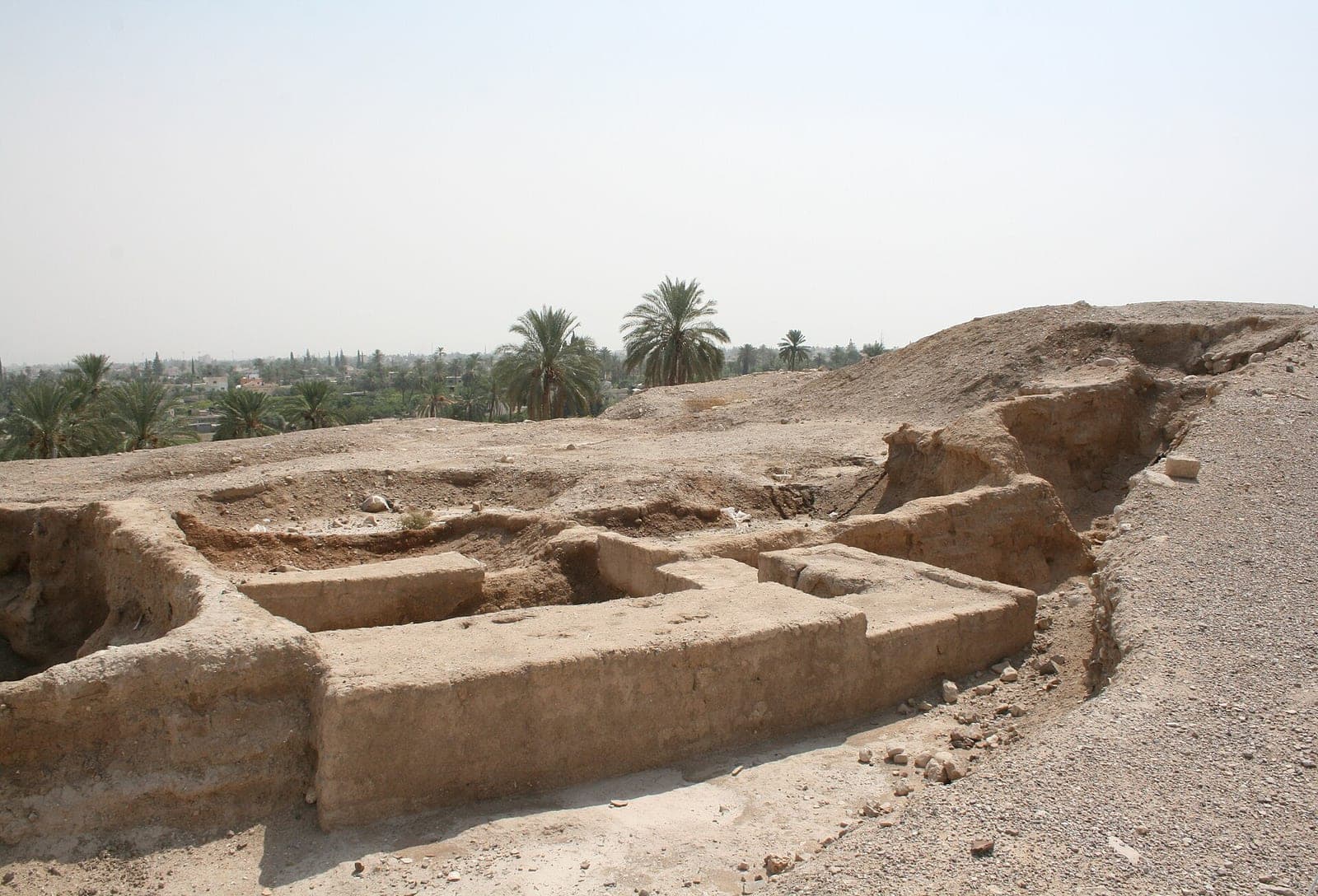
Photo: Diego Delso, via Wikimedia Commons. License: CC BY-SA 3.0. Source. Location: Tell es-Sultan, Jericho, West Bank. Resized for the web.
Explore the places of the Bible
See where biblical events happened, why each place matters, and what archaeology helps us understand.
Jericho
The city of palm trees, whose walls fell in Joshua's day.
Get full access with one subscription
Explore the people and places of the Bible. Read summaries of every book, with images and clear explanations covering every chapter. Access all these features and our Bible study tools with one subscription.
See PlansAsk AI about Psalms 115:7
Ask a question about this verse and get a clear answer, with Bible references you can read for yourself.
Every Bible book, explained chapter by chapter
Explore summaries of every book of the Bible, with images and easy-to-understand explanations covering every chapter.
Keep studying Psalms 115:7
Related Bible verses
At a Glance — the Book of Psalms
- Author
- David, Asaph, the sons of Korah, Solomon, and others
- Written
- Around 1000-500 BC
- Genre
- Poetry and worship
- Original Audience
- Worshipers of Israel
Frequently Asked Questions
Quick, clear answers about this verse
What does Psalms 115:7 mean?
Psalms 115:7 illustrates the lifelessness of idols by stating they have hands and feet but cannot act or speak. This emphasizes the futility of idol worship, contrasting these powerless objects with the living God who can respond to His people.
What is the meaning of 'hands' and 'feet' in Psalms 115:7?
In Psalms 115:7, 'hands' and 'feet' symbolize the physical attributes of idols, which are depicted as having the appearance of life but lack the ability to perform actions or communicate. This highlights their powerlessness and inability to assist worshippers.
How does Psalms 115:7 relate to modern life?
Psalms 115:7 encourages us to reflect on what we place our trust in today. While we may not worship physical idols, we can still rely on things like wealth or status that ultimately lack power, reminding us to focus our faith on the living God.
What themes are present in Psalms 115:7?
Key themes in Psalms 115:7 include idolatry, the powerlessness of idols, the contrast between false gods and the living God, and the futility of relying on inanimate objects for support or guidance.
Daily Verse — straight to your inbox
A verse and a 2-sentence plain-English explanation, every morning. Free. Unsubscribe anytime.