Old Testament
Psalms 136:15
Read the Bible in clear, modern English—easy to understand, faithful to the meaning, and written for everyday readers.
But overthrew Pharaoh and his host in the Red Sea — for his mercy endures forever.
Compare translations
But overthrew Pharaoh and his host in the Red sea: for his mercy endureth for ever.
What Psalms 136:15 means
Plain-English insight for readers
This verse highlights a significant event in the history of Israel, where God demonstrated His power by defeating Pharaoh and his army in the Red Sea. This act of deliverance is a reminder of God's unwavering mercy and faithfulness to His people. The phrase "for his mercy endures forever" emphasizes that God's love and compassion are constant and unchanging, providing reassurance to believers. The defeat of Pharaoh symbolizes the triumph of good over evil and God's ability to protect and save those who trust in Him. This verse serves as a celebration of God's mighty acts and a call to remember His enduring mercy throughout generations. It encourages believers to reflect on the past victories God has provided and to trust in His continued support in their lives.
How to apply Psalms 136:15 to your life
In our lives, we can draw strength from this verse by remembering that God is always with us, ready to help us overcome our challenges. Just as He delivered the Israelites, we can trust in His mercy and power to guide us through difficult times. This encourages us to remain faithful and hopeful.
Curated for this public verse page. Psalms Summary
Explore more of the Bible
Learn the Bible through its people and places
Get to know the people in Scripture through illustrated stories, and explore the places where they lived and traveled.

Illustrated scene from Joseph, Jacob's son's story: Joseph Is Born (Genesis 30:22–24)
Meet the people of the Bible
Follow their lives in order, with illustrated scenes and Bible passages that tell their stories.
 Joseph, Jacob's son
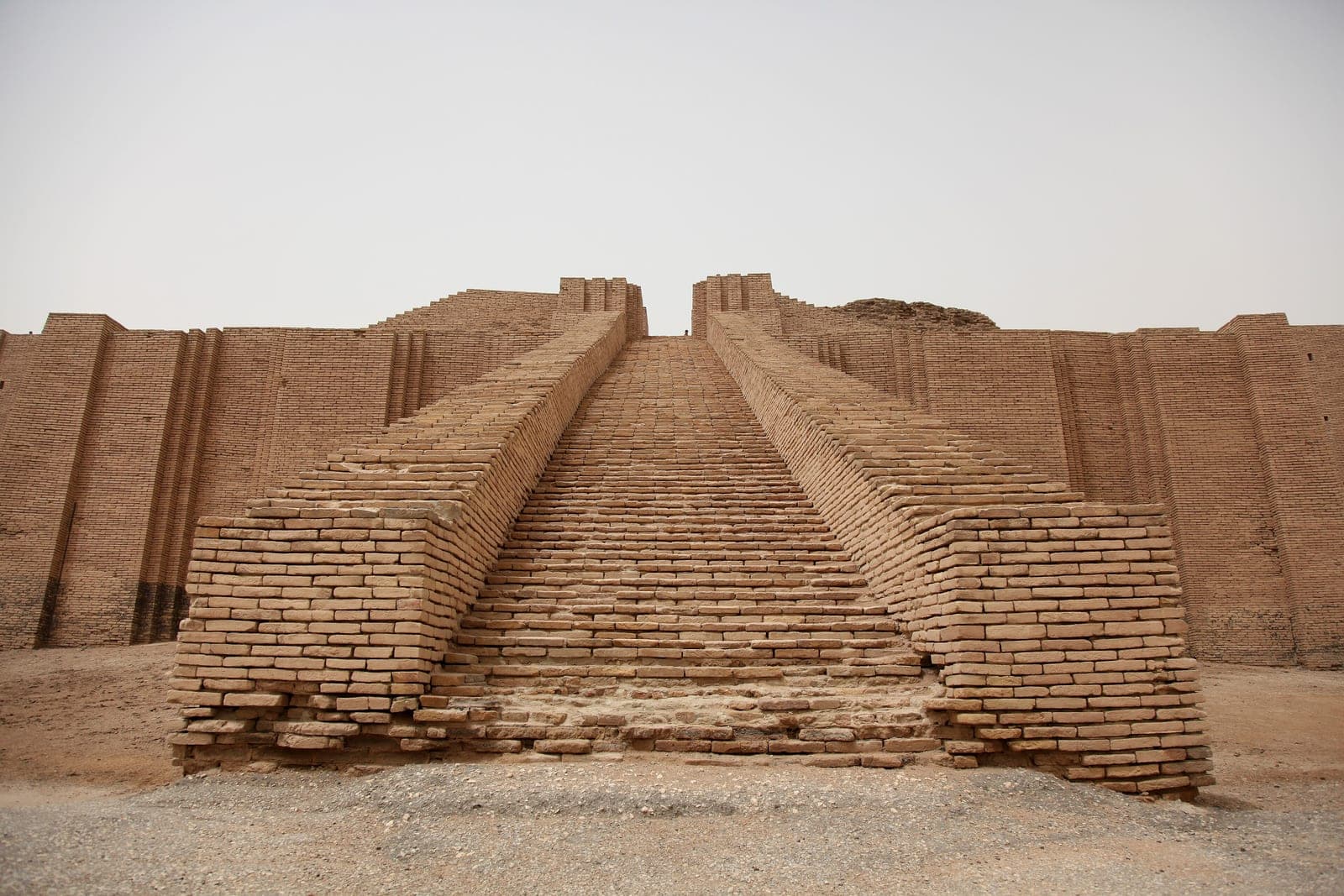
Photo: U.S. Army photo by Spc. Samantha R. Ciaramitaro, via DVIDS and Wikimedia Commons. License: Public domain in the United States — U.S. federal-government work. Source. Location: Great Ziggurat, Ur Archaeological City (Tell el-Mukayyar), Dhi Qar Governorate, Iraq. Resized for the web.
Explore the places of the Bible
See where biblical events happened, why each place matters, and what archaeology helps us understand.
Ur
The city Abram's family left to travel toward Canaan.
Get full access with one subscription
Explore the people and places of the Bible. Read summaries of every book, with images and clear explanations covering every chapter. Access all these features and our Bible study tools with one subscription.
See PlansAsk AI about Psalms 136:15
Ask a question about this verse and get a clear answer, with Bible references you can read for yourself.
Every Bible book, explained chapter by chapter
Explore summaries of every book of the Bible, with images and easy-to-understand explanations covering every chapter.
Keep studying Psalms 136:15
Related Bible verses
Key themes
Related topics
At a Glance — the Book of Psalms
- Author
- David, Asaph, the sons of Korah, Solomon, and others
- Written
- Around 1000-500 BC
- Genre
- Poetry and worship
- Original Audience
- Worshipers of Israel
Frequently Asked Questions
Quick, clear answers about this verse
What does Psalms 136:15 teach us about God's mercy?
Psalms 136:15 emphasizes that God's mercy is everlasting. The verse recounts how God overthrew Pharaoh and his army in the Red Sea, showcasing His power and commitment to protect His people. This act serves as a reminder that God's love and compassion are constant, providing reassurance to believers that they can rely on His mercy in their lives.
How can I apply Psalms 136:15 to my life today?
You can apply Psalms 136:15 by trusting in God's presence during your struggles. Just as He delivered the Israelites from Pharaoh, He is capable of helping you overcome your challenges. This verse encourages you to remember past victories and to maintain faith in God's ability to guide and support you through difficult times.
What historical event is referenced in Psalms 136:15?
Psalms 136:15 references the biblical event of the Exodus, where God parted the Red Sea to allow the Israelites to escape from slavery in Egypt. The defeat of Pharaoh and his army symbolizes God's power over evil and His commitment to deliver His people, marking a pivotal moment in Israel's history.
Why is the phrase 'for his mercy endures forever' significant?
The phrase 'for his mercy endures forever' is significant because it highlights the unchanging nature of God's love and compassion. It serves as a refrain throughout Psalms 136, reminding believers that no matter the circumstances, God's mercy is always available, offering hope and comfort in times of need.
Daily Verse — straight to your inbox
A verse and a 2-sentence plain-English explanation, every morning. Free. Unsubscribe anytime.