Old Testament
Psalms 146:9
Read the Bible in clear, modern English—easy to understand, faithful to the meaning, and written for everyday readers.
The LORD preserves the strangers; he relieves the fatherless and widow, but the way of the wicked he turns upside down.
Compare translations
The LORD preserveth the strangers; he relieveth the fatherless and widow: but the way of the wicked he turneth upside down.
What Psalms 146:9 means
Plain-English insight for readers
This verse highlights God's protective and caring nature, especially towards those who are vulnerable and marginalized, such as strangers, orphans, and widows. It emphasizes that God actively supports and provides for those in need, ensuring their safety and well-being. In contrast, the verse warns that God opposes the wicked, turning their paths upside down, which suggests that their plans will ultimately fail. This duality illustrates God's justice and mercy, showing that He is a refuge for the helpless while also being a force against evil. The verse encourages believers to trust in God's provision and to reflect His care for the needy in their own lives, promoting justice and compassion in their communities.
How to apply Psalms 146:9 to your life
As individuals, we can embody God's care by actively supporting those in need around us, such as the homeless, orphans, and widows. This may involve volunteering, donating, or advocating for social justice. By doing so, we reflect God's love and compassion in our communities.
Curated for this public verse page. Psalms Summary
Explore more of the Bible
Learn the Bible through its people and places
Get to know the people in Scripture through illustrated stories, and explore the places where they lived and traveled.

Illustrated scene from Esther's story: Esther Becomes Queen (Esther 2:1–18)
Meet the people of the Bible
Follow their lives in order, with illustrated scenes and Bible passages that tell their stories.
 Esther
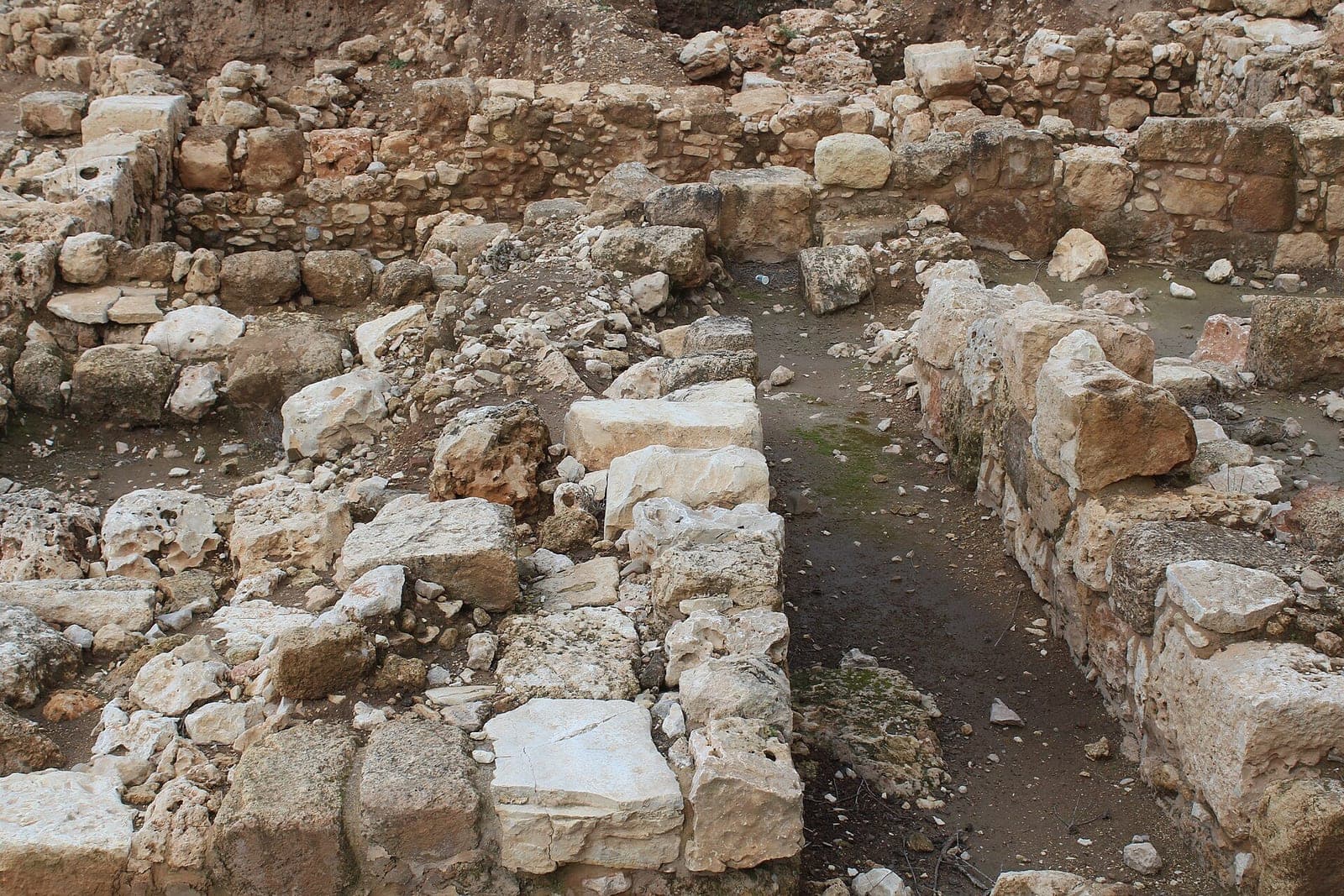
Photo: Deror Avi, via Wikimedia Commons. License: CC BY-SA 4.0. Source. Location: Tel Shiloh archaeological site, West Bank. Resized for the web.
Explore the places of the Bible
See where biblical events happened, why each place matters, and what archaeology helps us understand.
Shiloh
Where Israel set up the tabernacle, and where God called the boy Samuel.
Get full access with one subscription
Explore the people and places of the Bible. Read summaries of every book, with images and clear explanations covering every chapter. Access all these features and our Bible study tools with one subscription.
See PlansAsk AI about Psalms 146:9
Ask a question about this verse and get a clear answer, with Bible references you can read for yourself.
Every Bible book, explained chapter by chapter
Explore summaries of every book of the Bible, with images and easy-to-understand explanations covering every chapter.
Keep studying Psalms 146:9
Related Bible verses
Related topics
At a Glance — the Book of Psalms
- Author
- David, Asaph, the sons of Korah, Solomon, and others
- Written
- Around 1000-500 BC
- Genre
- Poetry and worship
- Original Audience
- Worshipers of Israel
Frequently Asked Questions
Quick, clear answers about this verse
What does Psalms 146:9 mean?
Psalms 146:9 expresses God's commitment to protect and support those who are vulnerable, such as strangers, orphans, and widows. It contrasts this care with God's opposition to the wicked, indicating that their plans will ultimately fail.
What is the meaning of 'the way of the wicked he turns upside down' in Psalms 146:9?
The phrase 'the way of the wicked he turns upside down' means that God disrupts the plans and paths of those who do evil. It suggests that their actions will not succeed and that justice will prevail.
How can I apply Psalms 146:9 in my life?
You can apply Psalms 146:9 by actively helping those in need, such as volunteering with the homeless or supporting orphans and widows. This reflects God's love and care in your community.
Who are the 'strangers' mentioned in Psalms 146:9?
The 'strangers' in Psalms 146:9 refer to those who are outsiders or marginalized in society. This includes immigrants or those without a home, emphasizing God's protection for all vulnerable individuals.
Daily Verse — straight to your inbox
A verse and a 2-sentence plain-English explanation, every morning. Free. Unsubscribe anytime.