Old Testament
Psalms 51:2
Read the Bible in clear, modern English—easy to understand, faithful to the meaning, and written for everyday readers.
Wash me thoroughly from my iniquity, and cleanse me from my sin.
Compare translations
Wash me throughly from mine iniquity, and cleanse me from my sin.
What Psalms 51:2 means
Plain-English insight for readers
In this verse, the speaker is pleading with God for a deep and complete cleansing from wrongdoing. The terms 'iniquity' and 'sin' highlight the seriousness of moral failures. The speaker recognizes the need for divine intervention to be purified from guilt and shame. This request reflects a deep understanding of personal failure and a desire for restoration. The act of washing symbolizes a fresh start, indicating that the speaker wants to be free from the burden of past mistakes. This verse emphasizes the importance of acknowledging one's faults and seeking forgiveness, which is a central theme in many spiritual traditions. It shows that true repentance involves not just a desire to be forgiven but also a commitment to change and live righteously. The speaker's vulnerability in asking for cleansing illustrates the relationship between humanity and the divine, where one can seek help in times of moral distress. Overall, this verse serves as a powerful reminder of the need for spiritual renewal and the hope that comes from seeking God's mercy.
How to apply Psalms 51:2 to your life
When we recognize our mistakes, we should approach God with a sincere heart, asking for forgiveness and cleansing. This verse encourages us to reflect on our actions, seek reconciliation, and strive for a renewed life free from past burdens. Embracing this process can lead to personal growth and healing.
Curated for this public verse page. Psalms Summary
Explore more of the Bible
Learn the Bible through its people and places
Get to know the people in Scripture through illustrated stories, and explore the places where they lived and traveled.

Illustrated scene from David's story: Samuel Anoints David (1 Samuel 16:1–13)
Meet the people of the Bible
Follow their lives in order, with illustrated scenes and Bible passages that tell their stories.
 David
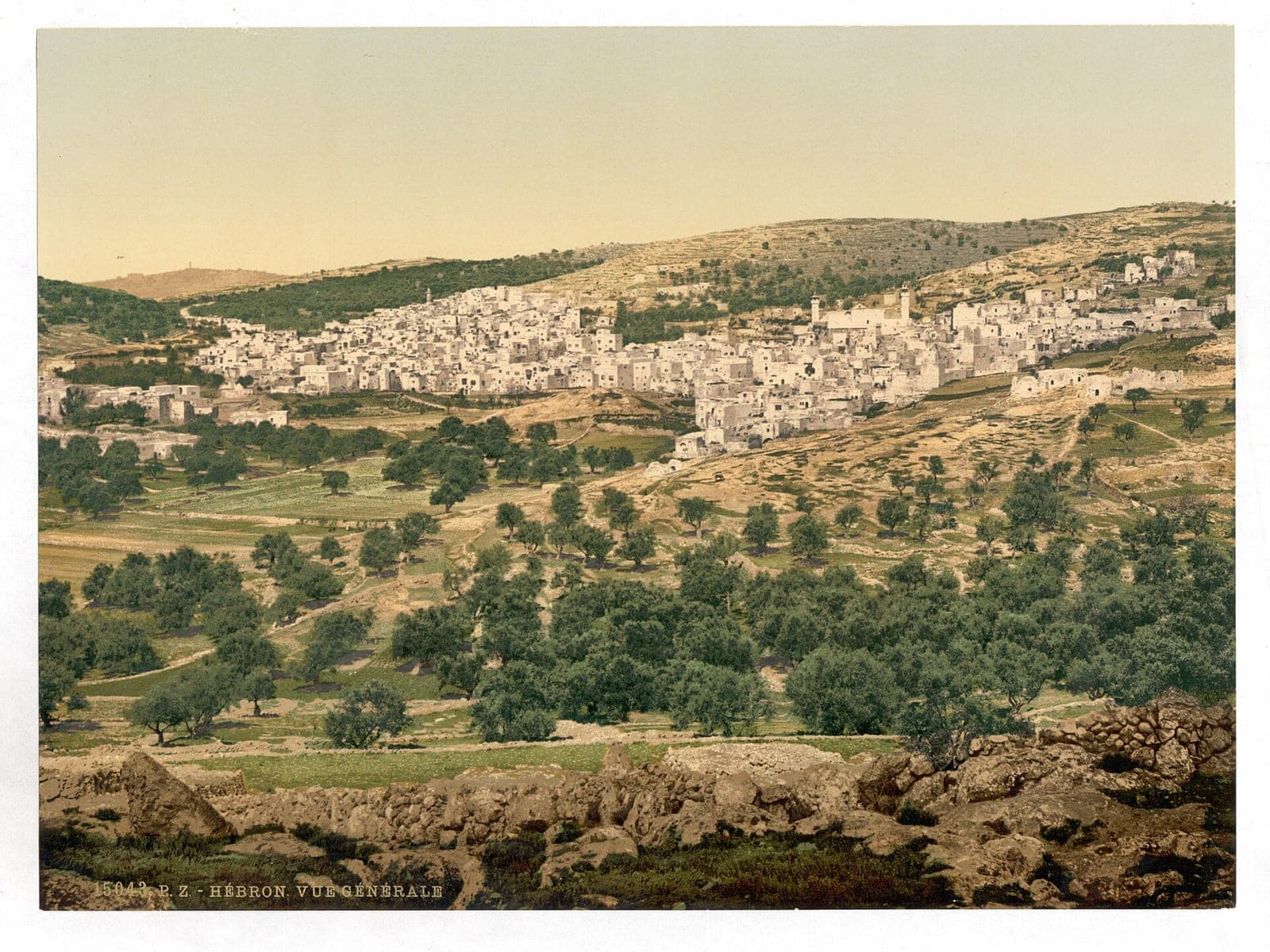
Photo: Photochrom print, Library of Congress Prints and Photographs Division (LCCN 2002724987). License: Public domain in the United States; Library of Congress states no known restrictions on publication. Source. Location: Hebron, West Bank; print preserved by the Library of Congress. Resized for the web.
Explore the places of the Bible
See where biblical events happened, why each place matters, and what archaeology helps us understand.
Hebron
Where Abraham lived and buried Sarah, and where David was first made king.
Get full access with one subscription
Explore the people and places of the Bible. Read summaries of every book, with images and clear explanations covering every chapter. Access all these features and our Bible study tools with one subscription.
See PlansAsk AI about Psalms 51:2
Ask a question about this verse and get a clear answer, with Bible references you can read for yourself.
Every Bible book, explained chapter by chapter
Explore summaries of every book of the Bible, with images and easy-to-understand explanations covering every chapter.
Keep studying Psalms 51:2
Related Bible verses
Key themes
Related topics
At a Glance — the Book of Psalms
- Author
- David, Asaph, the sons of Korah, Solomon, and others
- Written
- Around 1000-500 BC
- Genre
- Poetry and worship
- Original Audience
- Worshipers of Israel
Frequently Asked Questions
Quick, clear answers about this verse
What does Psalms 51:2 mean by 'iniquity' and 'sin'?
In Psalms 51:2, 'iniquity' refers to gross injustice or wickedness, while 'sin' denotes any act that goes against God's laws. The speaker acknowledges both the deep moral failures and the everyday wrongdoings that separate them from God, highlighting the need for a thorough cleansing to restore their relationship with the divine.
How can I apply the message of Psalms 51:2 in my life?
To apply the message of Psalms 51:2, start by reflecting on your actions and identifying areas where you feel guilt or shame. Approach God with sincerity, asking for forgiveness and a fresh start. This process encourages personal growth and healing, reminding you to seek divine help in overcoming past mistakes and striving for a more righteous life.
Why is the act of washing significant in Psalms 51:2?
The act of washing in Psalms 51:2 symbolizes purification and renewal. It represents the desire to be cleansed from guilt and shame, allowing the speaker to start anew. This imagery emphasizes the importance of acknowledging one's faults and the transformative power of seeking God's mercy, which can lead to spiritual renewal and a restored relationship with Him.
How does Psalms 51:2 relate to the theme of divine mercy?
Psalms 51:2 highlights divine mercy by illustrating the speaker's reliance on God's grace for forgiveness and cleansing. It shows that no matter how deep the iniquity or sin, God is willing to wash away those burdens. This verse reassures believers that seeking God's mercy can lead to spiritual renewal and a fresh start, reinforcing the compassionate nature of the divine.
Daily Verse — straight to your inbox
A verse and a 2-sentence plain-English explanation, every morning. Free. Unsubscribe anytime.