Psalms 94:20
Shall the throne of iniquity have fellowship with you, which frames mischief by a law?
What Psalms 94:20 means
Plain-English insight for readers
Psalm 94:20 asks whether God could ever partner with a corrupt ruler who uses laws to cause harm, and the expected answer is no. A "throne" here stands for ruling power. The psalmist trusts that God will never side with leaders who make evil acts legal.
The psalm is a prayer to the LORD, who is called the judge of the earth in verse 2. Earlier verses describe wicked people who crush God's people and kill widows and orphans (Psalm 94:5–6). "Devising mischief by decree" means planning harm and making it official through law, and the psalm never names which rulers it means. Readers often wonder whether a government with unjust laws can ever have God's support.
In the King James Version
Shall the throne of iniquity have fellowship with thee, which frameth mischief by a law?
Ask about this verse
Tap a question to get a clear answer from Scripture.
Example answer · Premium
“Can a government that passes unjust laws ever truly be on God's side?”
In the Berean Standard Bible, Psalm 94:20 reads: "Can a corrupt throne be Your ally—one devising mischief by decree?" The American King James Version phrases it as "Shall the throne of iniquity have fellowship with you, which frames mischief by a law?" Both convey the same meaning: the psalmist is asking whether a government that makes unjust laws can be allied with God. The answer embedded in the psalm is no. The passage shows a corrupt throne standing in opposition to God's character, alongside people who "band together against the righteous and condemn the innocent to death." The psalmist affirms that God is the true Judge who will bring judgment on such rulers for their own iniquity. Scripture teaches that God's justice and righteousness cannot align with corrupt authority—a government that systematically passes unjust laws places itself against God, not with Him.
From Scripture: Psalms 94:20 · Psalms 94:21 · Psalms 94:23
Have a question about this verse? Explore it with ClearBible.
Premium answers your questions about any verse from Scripture itself, shows the verses it rests on, and opens Clear on every passage. You also get all 66 book summaries.
7 days free, then $99/year. Card required. Cancel anytime.
Explore more of the Bible
Learn the Bible through its people and places
Get to know the people in Scripture through illustrated stories, and explore the places where they lived and traveled.

Illustrated scene from Ruth's story: Three Widows (Ruth 1:1–5)
Meet the people of the Bible
Follow their lives in order, with illustrated scenes and Bible passages that tell their stories.
 Ruth
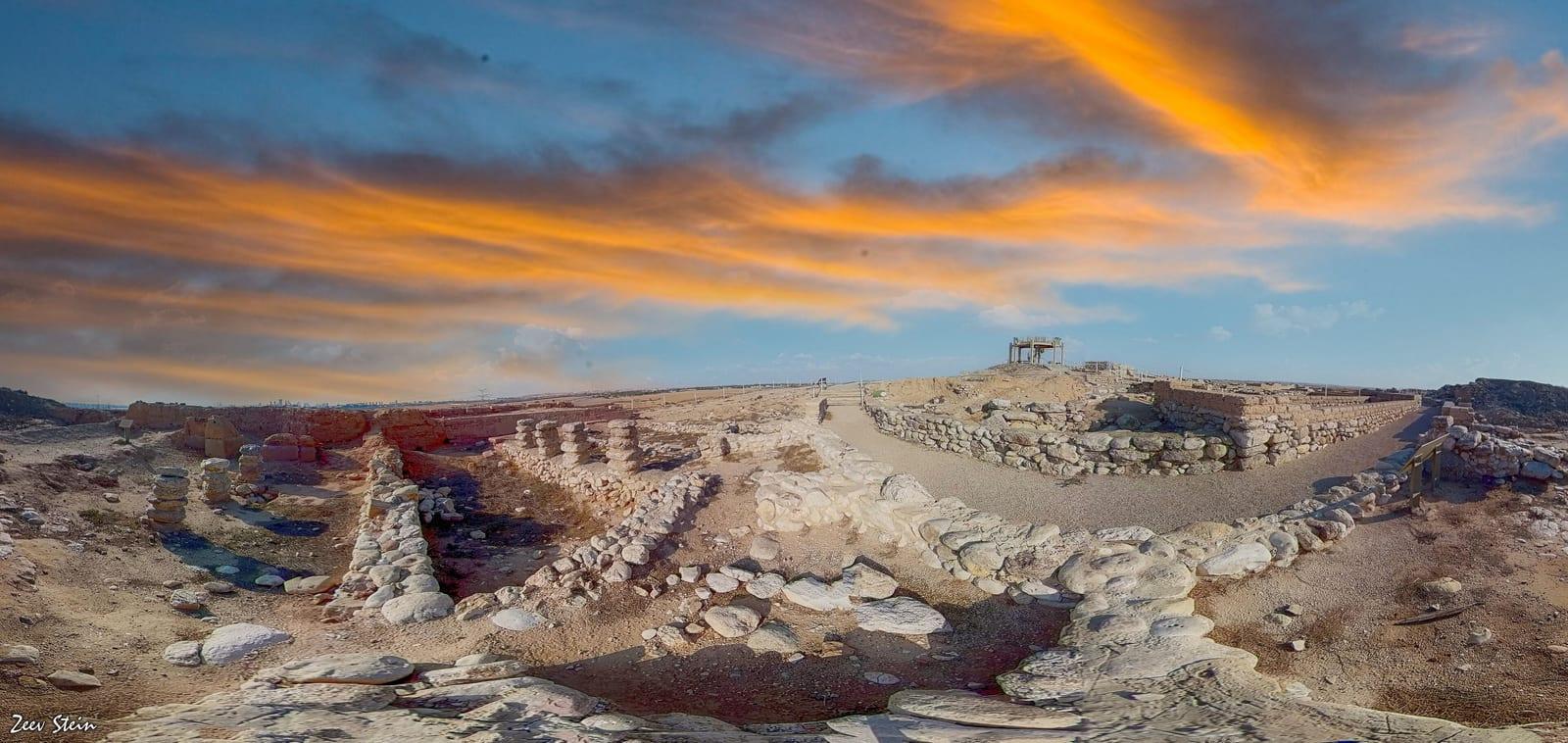
Photo: Zeev Stein / PikiWiki Israel, via Wikimedia Commons. License: CC BY 2.5. Source. Location: Tel Beer Sheva National Park, Israel. Resized for the web.
Explore the places of the Bible
See where biblical events happened, why each place matters, and what archaeology helps us understand.
Beersheba
Where Abraham and Isaac dug wells and worshiped the LORD, at the southern edge of the land.
Every Bible book, explained chapter by chapter
Explore summaries of every book of the Bible, with images and easy-to-understand explanations covering every chapter.
Keep studying Psalms 94:20
Related Bible verses
Key themes
Related topics
At a Glance — the Book of Psalms
- Author
- David, Asaph, the sons of Korah, Solomon, and others
- Written
- Around 1000-500 BC
- Genre
- Poetry and worship
- Original Audience
- Worshipers of Israel
Frequently Asked Questions
Quick, clear answers about this verse
What does Psalms 94:20 mean?
The verse is a question with an obvious answer: God cannot be allied with a government that does wrong through its laws. It sets God's justice against rulers who turn the law into a weapon.
What does "frameth mischief by a law" mean in Psalm 94:20?
The KJV says "frameth mischief by a law," which describes rulers who build harm into official decrees. The Berean Standard Bible says "devising mischief by decree." The wrong is planned and given the force of law.
Who is speaking in Psalm 94?
The psalm does not name its writer. The speaker prays directly to the LORD, asking him to judge the proud and to defend the weak. In verses 18–19 the speaker also describes personal fear and God's comfort.
What happens after Psalm 94:20?
Verse 21 says the wicked "band together against the righteous and condemn the innocent to death." Verse 22 answers with trust: "the LORD has been my stronghold." The psalm then ends by saying God will repay the wicked for their evil (Psalm 94:23).
Daily Verse — straight to your inbox
A verse and a 2-sentence plain-English explanation, every morning. Free. Unsubscribe anytime.