New Testament
Revelation 2:13
Read the Bible in clear, modern English—easy to understand, faithful to the meaning, and written for everyday readers.
I know your works and where you live, where Satan's throne is. Yet you hold firmly to my name and have not denied my faith, even in the days when Antipas, my faithful martyr, was killed among you, where Satan dwells.
Compare translations
I know thy works, and where thou dwellest, even where Satan’s seat is: and thou holdest fast my name, and hast not denied my faith, even in those days wherein Antipas was my faithful martyr, who was slain among you, where Satan dwelleth.
What Revelation 2:13 means
Plain-English insight for readers
In this verse, Jesus acknowledges the church in Pergamum for their steadfastness in faith despite living in a challenging environment where evil is prevalent, symbolized by "Satan's throne." The mention of Antipas, a martyr, highlights the persecution faced by believers. Despite the danger, the church remains loyal to Jesus and does not renounce their faith. This shows their courage and commitment to uphold their beliefs even when faced with severe consequences. The reference to Satan's dwelling signifies the spiritual warfare and moral challenges they encounter daily. Jesus commends them for their resilience, indicating that their faith is recognized and valued, even in the face of death. This verse serves as a reminder of the importance of holding onto one's faith amidst trials and tribulations, encouraging believers to remain steadfast in their convictions.
How to apply Revelation 2:13 to your life
This verse encourages believers to remain steadfast in their faith, even when faced with challenges or persecution. It reminds us to hold onto our beliefs and support one another in difficult times, just as the church in Pergamum did.
Curated for this public verse page. Revelation Summary
Explore more of the Bible
Learn the Bible through its people and places
Get to know the people in Scripture through illustrated stories, and explore the places where they lived and traveled.
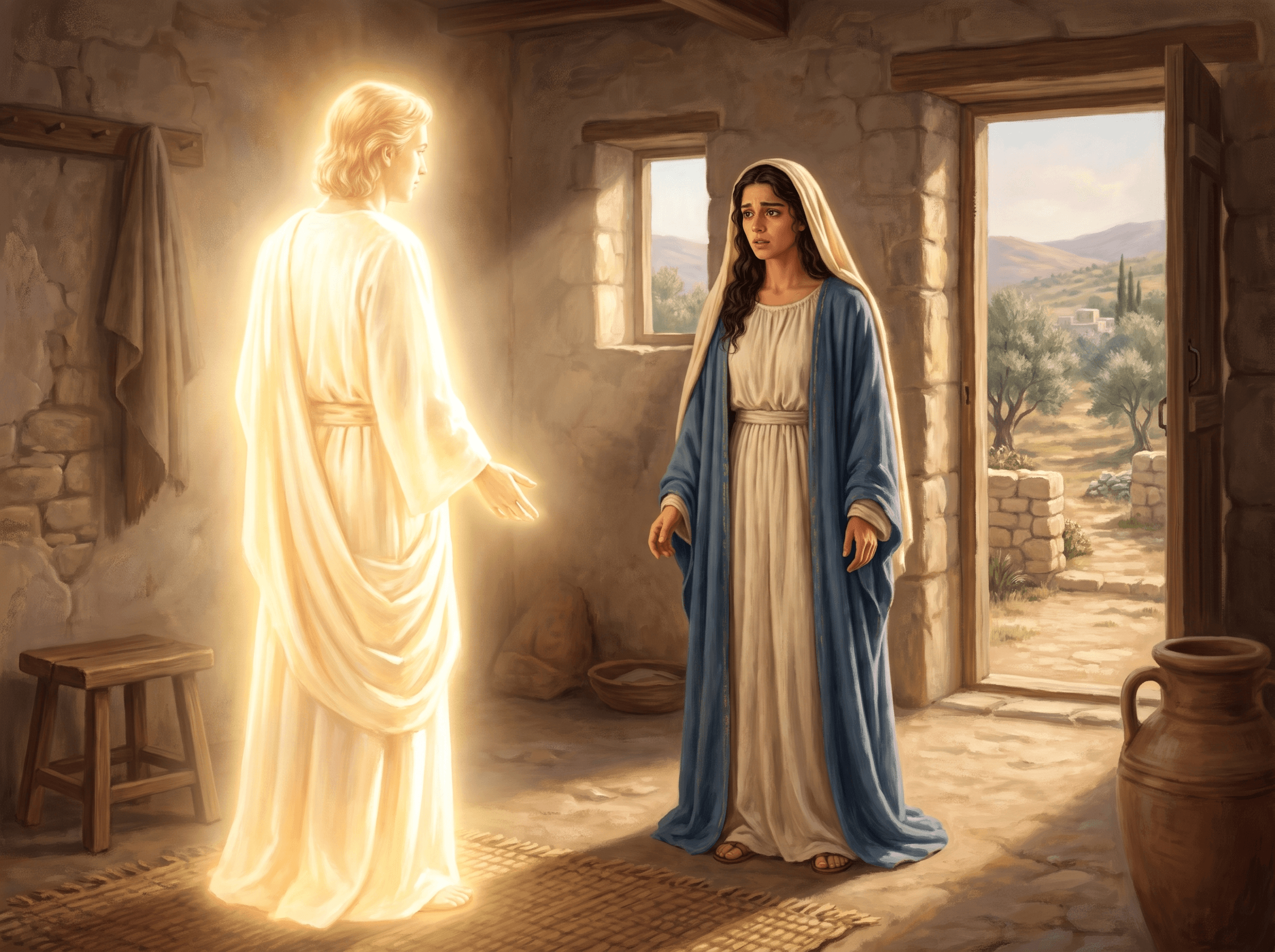
Illustrated scene from Mary, Jesus' mother's story: An Angel Visits Mary (Luke 1:26–38)
Meet the people of the Bible
Follow their lives in order, with illustrated scenes and Bible passages that tell their stories.
 Mary, Jesus' mother

Photo: Photochrom print, Library of Congress Prints and Photographs Division (LCCN 2002725045). License: Public domain in the United States; Library of Congress states no known restrictions on publication. Source. Location: Nazareth, Israel; print preserved by the Library of Congress. Resized for the web.
Explore the places of the Bible
See where biblical events happened, why each place matters, and what archaeology helps us understand.
Nazareth
The small town in Galilee where Jesus grew up.
Get full access with one subscription
Explore the people and places of the Bible. Read summaries of every book, with images and clear explanations covering every chapter. Access all these features and our Bible study tools with one subscription.
See PlansAsk AI about Revelation 2:13
Ask a question about this verse and get a clear answer, with Bible references you can read for yourself.
Every Bible book, explained chapter by chapter
Explore summaries of every book of the Bible, with images and easy-to-understand explanations covering every chapter.
Keep studying Revelation 2:13
Related Bible verses
Key themes
Related topics
At a Glance — the Book of Revelation
- Author
- John the apostle
- Written
- Around AD 95
- Genre
- Apocalyptic prophecy
- Original Audience
- The seven churches of Asia Minor
Frequently Asked Questions
Quick, clear answers about this verse
What does Revelation 2:13 mean?
Revelation 2:13 highlights the faithfulness of the church in Pergamum, acknowledging their commitment to Jesus despite living in a place associated with evil, referred to as 'Satan's throne.' It emphasizes their courage in maintaining their faith even in the face of persecution, exemplified by the martyrdom of Antipas.
What is the significance of 'Satan's throne' in Revelation 2:13?
'Satan's throne' symbolizes the presence of evil and the challenges faced by the believers in Pergamum. It indicates that the church was situated in a morally corrupt environment, yet they remained steadfast in their faith.
Who is Antipas mentioned in Revelation 2:13?
Antipas is referred to as a faithful martyr in Revelation 2:13, indicating that he was killed for his faith in Jesus. His mention serves to illustrate the severe persecution that early Christians faced in Pergamum.
How can Revelation 2:13 apply to modern believers?
Revelation 2:13 encourages modern believers to stay strong in their faith during difficult times, reminding them of the importance of supporting one another and remaining committed to their beliefs, just as the church in Pergamum did.
Daily Verse — straight to your inbox
A verse and a 2-sentence plain-English explanation, every morning. Free. Unsubscribe anytime.