New Testament
Revelation 2:6
Read the Bible in clear, modern English—easy to understand, faithful to the meaning, and written for everyday readers.
But you do have this in your favor: you hate the practices of the Nicolaitans, which I also hate.
Compare translations
But this thou hast, that thou hatest the deeds of the Nicolaitanes, which I also hate.
What Revelation 2:6 means
Plain-English insight for readers
In this verse, Jesus commends the church for their strong stance against the Nicolaitans, a group known for promoting immoral practices and compromising Christian values. The term 'hate' here reflects a deep disapproval of actions that contradict the teachings of Christ. The Nicolaitans likely represented a threat to the purity of the church, encouraging behaviors that were contrary to the faith. By expressing hatred for their deeds, Jesus emphasizes the importance of maintaining moral integrity and standing firm against false teachings. This commendation serves as a reminder that while love is central to the Christian faith, there are also things that believers must reject to uphold their commitment to God’s truth. The church's ability to discern right from wrong is crucial in their spiritual journey, and this verse highlights the necessity of being vigilant against influences that could lead them astray.
How to apply Revelation 2:6 to your life
As believers, we should evaluate our own lives and communities for influences that contradict our faith. It’s essential to stand firm against practices that compromise our values, just as the church did. This requires discernment and a commitment to uphold the teachings of Christ in our daily lives.
Curated for this public verse page. Revelation Summary
Explore more of the Bible
Learn the Bible through its people and places
Get to know the people in Scripture through illustrated stories, and explore the places where they lived and traveled.
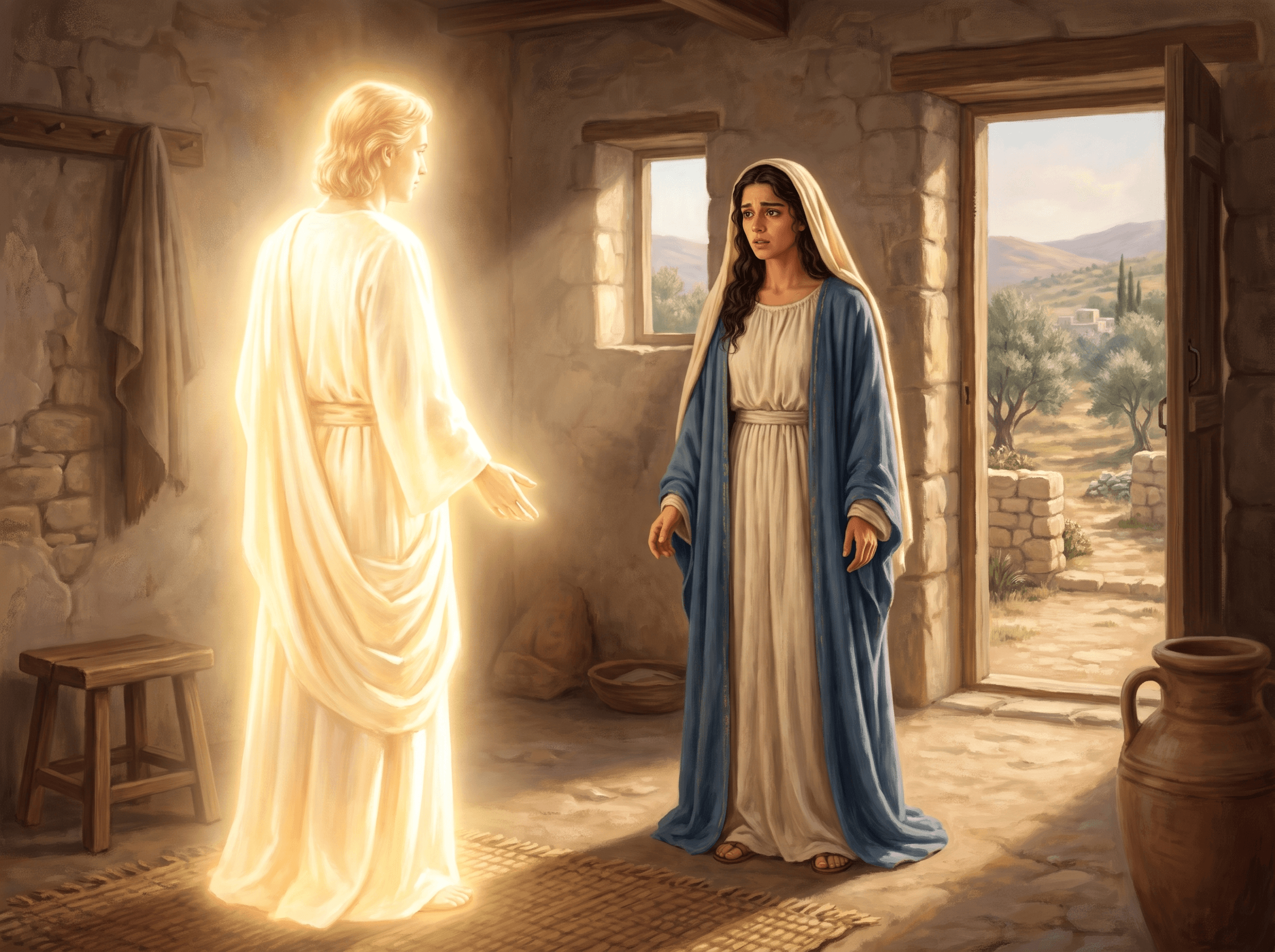
Illustrated scene from Mary, Jesus' mother's story: An Angel Visits Mary (Luke 1:26–38)
Meet the people of the Bible
Follow their lives in order, with illustrated scenes and Bible passages that tell their stories.
 Mary, Jesus' mother

Photo: Photochrom print, Library of Congress Prints and Photographs Division (LCCN 2002725045). License: Public domain in the United States; Library of Congress states no known restrictions on publication. Source. Location: Nazareth, Israel; print preserved by the Library of Congress. Resized for the web.
Explore the places of the Bible
See where biblical events happened, why each place matters, and what archaeology helps us understand.
Nazareth
The small town in Galilee where Jesus grew up.
Get full access with one subscription
Explore the people and places of the Bible. Read summaries of every book, with images and clear explanations covering every chapter. Access all these features and our Bible study tools with one subscription.
See PlansAsk AI about Revelation 2:6
Ask a question about this verse and get a clear answer, with Bible references you can read for yourself.
Every Bible book, explained chapter by chapter
Explore summaries of every book of the Bible, with images and easy-to-understand explanations covering every chapter.
Keep studying Revelation 2:6
Related Bible verses
Key themes
Related topics
At a Glance — the Book of Revelation
- Author
- John the apostle
- Written
- Around AD 95
- Genre
- Apocalyptic prophecy
- Original Audience
- The seven churches of Asia Minor
Frequently Asked Questions
Quick, clear answers about this verse
Who were the Nicolaitans mentioned in Revelation 2:6?
The Nicolaitans were a group in the early church known for promoting immoral practices and compromising Christian values. Their teachings likely encouraged behaviors that contradicted the core tenets of Christianity, posing a threat to the moral integrity of the church. Jesus' condemnation of their deeds highlights the importance of maintaining purity in faith and rejecting influences that lead believers away from God's truth.
How can we apply Revelation 2:6 in our lives today?
Applying Revelation 2:6 today involves evaluating our own lives and communities for influences that contradict our Christian values. It calls for discernment in recognizing practices that may compromise our faith. Believers are encouraged to stand firm against such influences, ensuring that their actions align with the teachings of Christ. This commitment to moral integrity is essential for spiritual growth and maintaining a faithful witness in the world.
What is the significance of Jesus commending the church in Revelation 2:6?
Jesus' commendation of the church in Revelation 2:6 signifies the importance of moral integrity and discernment in the Christian faith. By praising their rejection of the Nicolaitans' practices, He underscores that believers must actively oppose false teachings and immoral behaviors. This encouragement serves as a reminder that faithfulness to God's truth is crucial, and that standing firm against negative influences is a vital part of the Christian journey.
What lessons can we learn from the church's stance against the Nicolaitans?
The church's stance against the Nicolaitans teaches us the importance of discernment and the need to reject practices that compromise our faith. It highlights that while love is central to Christianity, there are also actions and teachings that must be firmly opposed. This encourages believers to be vigilant in their spiritual lives, ensuring that they uphold the teachings of Christ and maintain their commitment to moral integrity in a world filled with conflicting values.
Daily Verse — straight to your inbox
A verse and a 2-sentence plain-English explanation, every morning. Free. Unsubscribe anytime.