New Testament
Romans 2:5
Read the Bible in clear, modern English—easy to understand, faithful to the meaning, and written for everyday readers.
But because of your stubbornness and unrepentant heart, you are storing up wrath against yourself for the day of wrath, when God's righteous judgment will be revealed.
Compare translations
But after thy hardness and impenitent heart treasurest up unto thyself wrath against the day of wrath and revelation of the righteous judgment of God;
What Romans 2:5 means
Plain-English insight for readers
In this verse, Paul addresses the consequences of a stubborn and unrepentant heart. He warns that those who refuse to change their ways are accumulating God's wrath against themselves. This 'day of wrath' refers to a future time when God's righteous judgment will be fully revealed. The imagery of 'storing up' suggests that every act of disobedience adds to the judgment that will come. Paul emphasizes that God's judgment is not arbitrary; it is based on righteousness and fairness. The verse serves as a serious reminder that ignoring God's call to repentance can lead to dire consequences. It highlights the importance of being open to change and recognizing one's faults, as this is essential for receiving God's mercy instead of judgment. Ultimately, it calls for self-examination and a willingness to turn away from sin to avoid the impending judgment.
How to apply Romans 2:5 to your life
This verse encourages us to reflect on our hearts and attitudes. Are we holding onto stubbornness or refusing to repent? It’s vital to recognize our faults and seek change, as this can lead to mercy rather than judgment. Embrace humility and openness to God's guidance.
Curated for this public verse page. Romans Summary
Explore more of the Bible
Learn the Bible through its people and places
Get to know the people in Scripture through illustrated stories, and explore the places where they lived and traveled.

Illustrated scene from Jesus's story: An Angel Visits Mary (Luke 1:26–38)
Meet the people of the Bible
Follow their lives in order, with illustrated scenes and Bible passages that tell their stories.
 Jesus
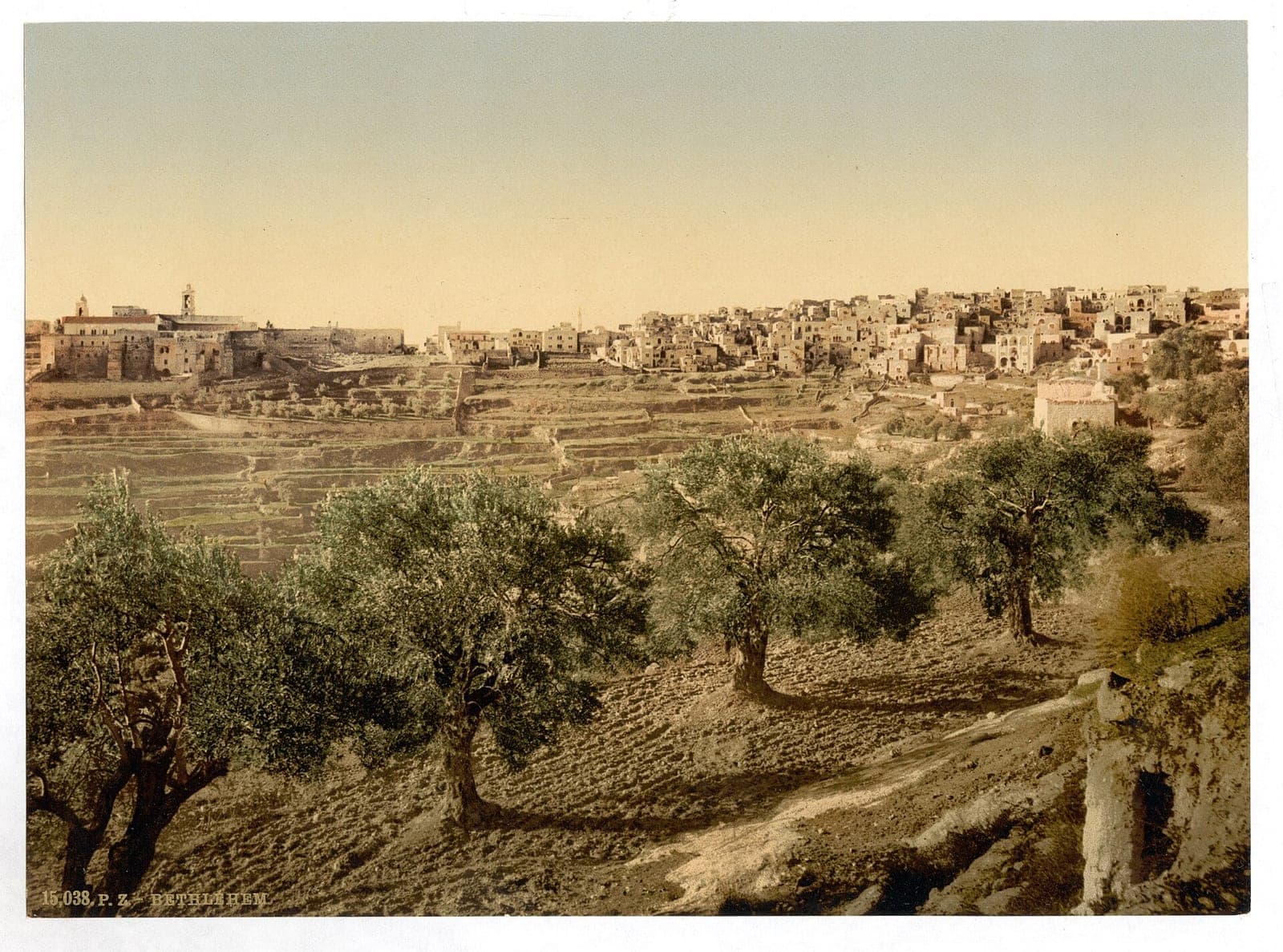
Photo: Photochrom print, Library of Congress Prints and Photographs Division (LCCN 2002724966). License: Public domain in the United States; Library of Congress states no known restrictions on publication. Source. Location: Bethlehem, West Bank; print preserved by the Library of Congress. Resized for the web.
Explore the places of the Bible
See where biblical events happened, why each place matters, and what archaeology helps us understand.
Bethlehem
David's hometown, and the town where Jesus was born.
Get full access with one subscription
Explore the people and places of the Bible. Read summaries of every book, with images and clear explanations covering every chapter. Access all these features and our Bible study tools with one subscription.
See PlansAsk AI about Romans 2:5
Ask a question about this verse and get a clear answer, with Bible references you can read for yourself.
Every Bible book, explained chapter by chapter
Explore summaries of every book of the Bible, with images and easy-to-understand explanations covering every chapter.
Keep studying Romans 2:5
Related Bible verses
Key themes
Related topics
At a Glance — the Book of Romans
- Author
- Paul the apostle
- Written
- Around AD 57
- Genre
- Letter (epistle)
- Original Audience
- Christians in Rome
Frequently Asked Questions
Quick, clear answers about this verse
What does Romans 2:5 mean?
Romans 2:5 warns that a stubborn and unrepentant heart leads to accumulating God's wrath. It emphasizes that ignoring the call to change can result in serious consequences when God's judgment is revealed.
What is the day of wrath in Romans 2:5?
The 'day of wrath' in Romans 2:5 refers to a future time when God's righteous judgment will be fully revealed. It signifies a moment of accountability for those who have not repented.
How does Romans 2:5 relate to God's judgment?
Romans 2:5 illustrates that God's judgment is based on righteousness and fairness. It shows that stubbornness and refusal to repent can lead to accumulating judgment against oneself.
Daily Verse — straight to your inbox
A verse and a 2-sentence plain-English explanation, every morning. Free. Unsubscribe anytime.