New Testament
Romans 4:15
Read the Bible in clear, modern English—easy to understand, faithful to the meaning, and written for everyday readers.
For the law brings wrath, because where there is no law, there is no transgression.
Compare translations
Because the law worketh wrath: for where no law is, there is no transgression.
What Romans 4:15 means
Plain-English insight for readers
This verse explains that the law of God is important because it defines what is right and wrong. When there is no law, people cannot be held accountable for their actions since there is no standard to measure against. The presence of the law reveals human shortcomings and leads to God's wrath because it shows how far people fall short of His standards. In essence, the law highlights transgressions, making it clear that without it, there can be no violation or sin. This understanding emphasizes the need for grace and faith, as it is through faith that one can be justified, rather than through adherence to the law alone. The law serves as a guide, but it also brings awareness of sin, which is why it is crucial to recognize its role in the relationship between humanity and God.
How to apply Romans 4:15 to your life
Understanding the role of the law helps us recognize our need for grace. Instead of relying solely on our ability to follow rules, we should focus on faith in God’s mercy. This perspective encourages humility and a deeper relationship with God.
Curated for this public verse page. Romans Summary
Explore more of the Bible
Learn the Bible through its people and places
Get to know the people in Scripture through illustrated stories, and explore the places where they lived and traveled.
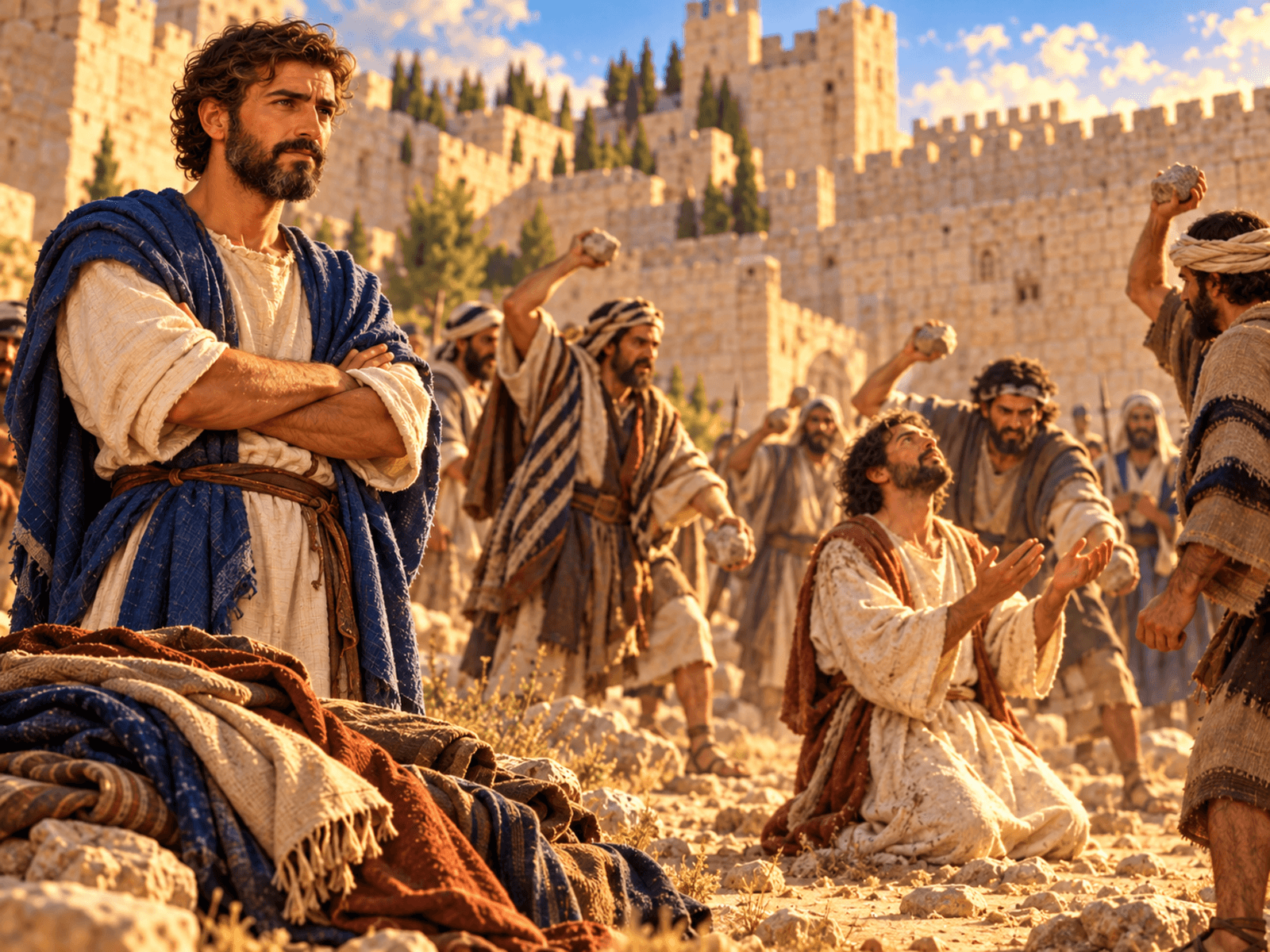
Illustrated scene from Paul's story: The Stoning of Stephen (Acts 7:57–8:2)
Meet the people of the Bible
Follow their lives in order, with illustrated scenes and Bible passages that tell their stories.
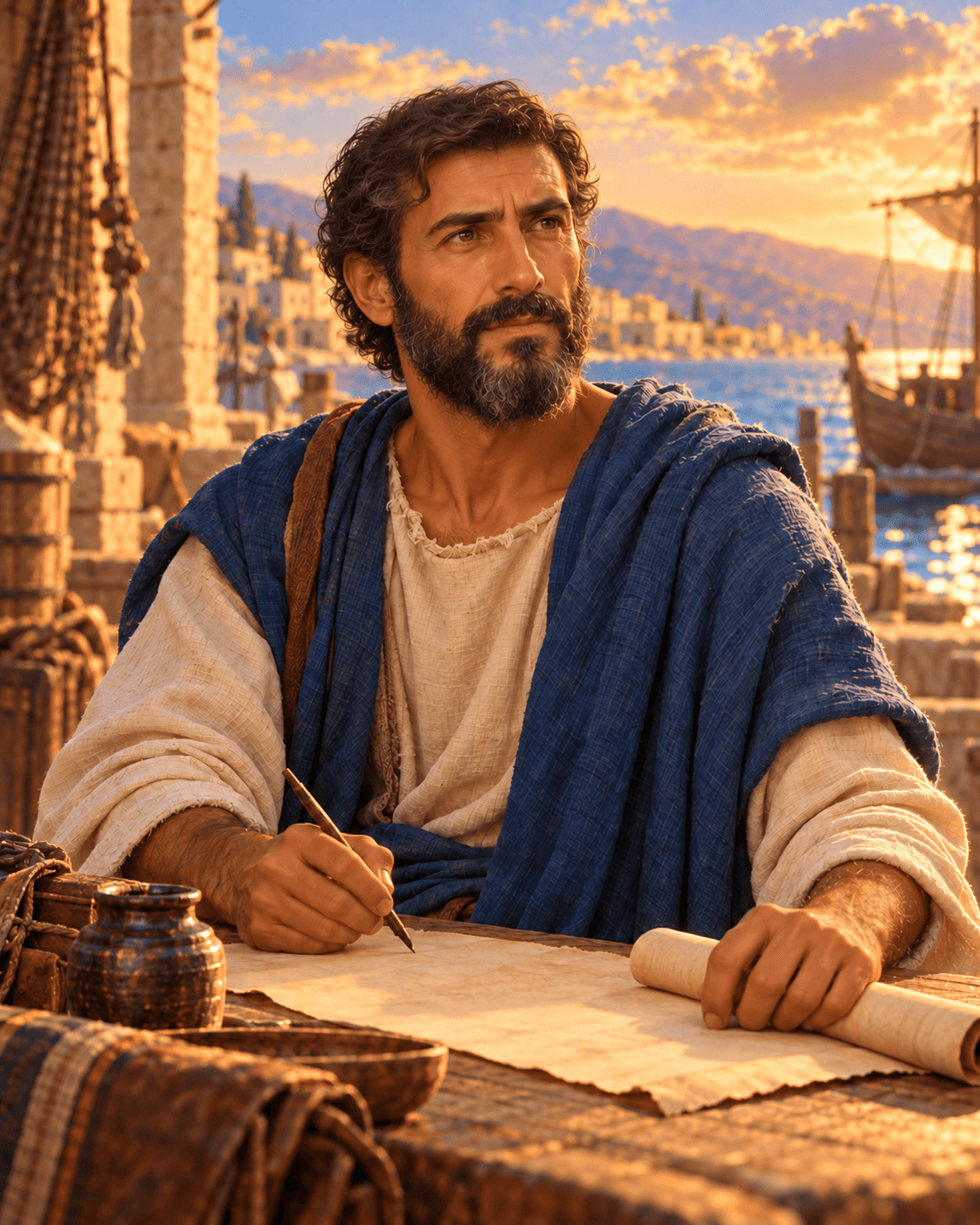 Paul
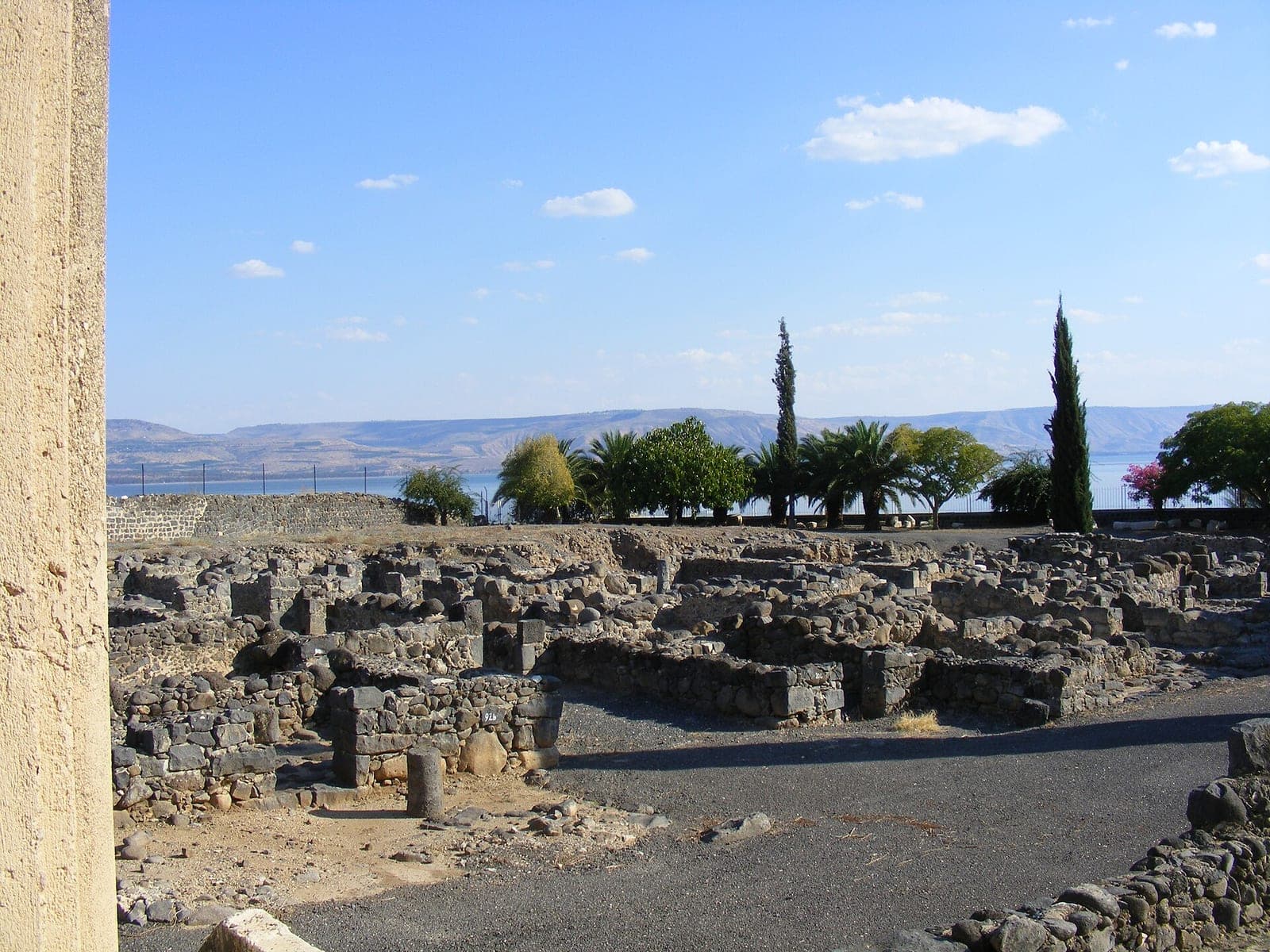
Photo: zeevveez, via Wikimedia Commons. License: CC BY 2.0. Source. Location: Capernaum, on the northern shore of the Sea of Galilee. Resized for the web.
Explore the places of the Bible
See where biblical events happened, why each place matters, and what archaeology helps us understand.
Capernaum
Jesus' home base by the Sea of Galilee, and the town where Peter lived.
Get full access with one subscription
Explore the people and places of the Bible. Read summaries of every book, with images and clear explanations covering every chapter. Access all these features and our Bible study tools with one subscription.
See PlansAsk AI about Romans 4:15
Ask a question about this verse and get a clear answer, with Bible references you can read for yourself.
Every Bible book, explained chapter by chapter
Explore summaries of every book of the Bible, with images and easy-to-understand explanations covering every chapter.
Keep studying Romans 4:15
Related Bible verses
Key themes
Related topics
At a Glance — the Book of Romans
- Author
- Paul the apostle
- Written
- Around AD 57
- Genre
- Letter (epistle)
- Original Audience
- Christians in Rome
Frequently Asked Questions
Quick, clear answers about this verse
What does Romans 4:15 mean?
Romans 4:15 means that the law defines what is right and wrong, and without it, there can be no accountability for actions. The verse highlights that the presence of the law reveals human shortcomings and leads to God's wrath because it shows how far people fall short of His standards.
What is the meaning of transgression in Romans 4:15?
In Romans 4:15, transgression refers to the act of violating God's law. The verse explains that without the law, there can be no transgression, as there would be no standard to measure against.
How does Romans 4:15 relate to grace?
Romans 4:15 relates to grace by showing that while the law reveals sin and accountability, it is through faith that individuals can be justified. This highlights the importance of relying on God's mercy rather than solely on adherence to the law.
Why is the law important according to Romans 4:15?
The law is important according to Romans 4:15 because it establishes a standard for right and wrong. It reveals human shortcomings and the need for accountability, making it clear that without the law, there can be no recognition of sin.
Daily Verse — straight to your inbox
A verse and a 2-sentence plain-English explanation, every morning. Free. Unsubscribe anytime.