New Testament
Romans 8:24
Read the Bible in clear, modern English—easy to understand, faithful to the meaning, and written for everyday readers.
For we are saved by hope. But hope that is seen is not hope, for who hopes for what they already see?
Compare translations
For we are saved by hope: but hope that is seen is not hope: for what a man seeth, why doth he yet hope for?
What Romans 8:24 means
Plain-English insight for readers
In this verse, Paul emphasizes the importance of hope in the Christian faith. He explains that salvation is linked to hope, which is a confident expectation of future good. However, true hope is not based on what we can see or possess right now. If we already have something, there is no need to hope for it. This means that our hope is directed towards things that are not yet visible, such as eternal life and the fulfillment of God's promises. The unseen nature of hope encourages believers to trust in God’s plan, even when circumstances seem challenging. It reminds us that faith involves looking beyond our current reality and believing in what God has promised, even if we cannot see it yet. This hope sustains us through trials and uncertainties, reinforcing the idea that our ultimate salvation is not just a present reality but a future promise that we eagerly await.
How to apply Romans 8:24 to your life
In our daily lives, we can cultivate hope by focusing on God's promises rather than our current struggles. When faced with difficulties, remind yourself of the future blessings that await you. This perspective can provide strength and encouragement during tough times.
Curated for this public verse page. Romans Summary
Explore more of the Bible
Learn the Bible through its people and places
Get to know the people in Scripture through illustrated stories, and explore the places where they lived and traveled.
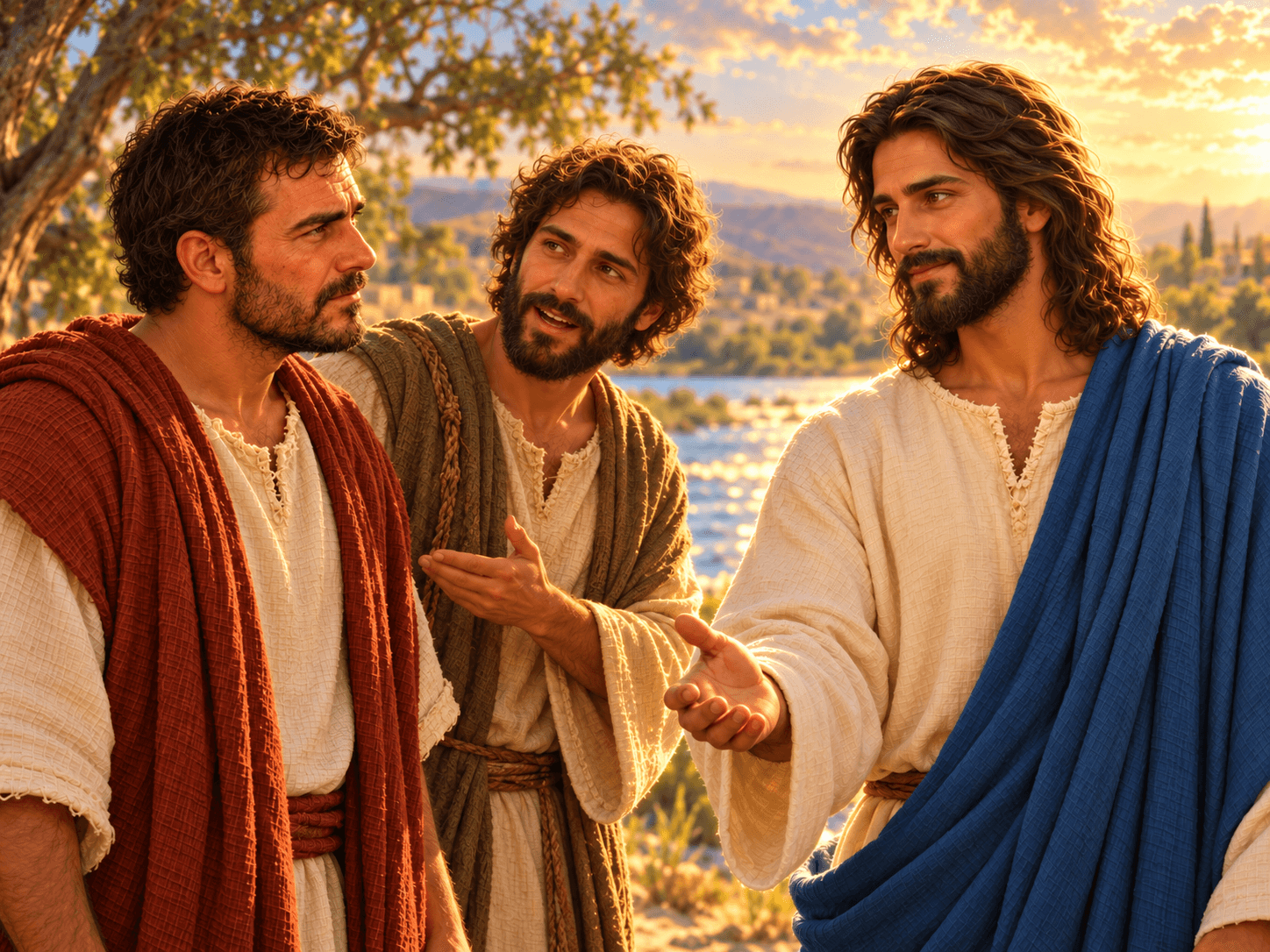
Illustrated scene from Peter's story: Andrew Brings Simon to Jesus (John 1:40–42)
Meet the people of the Bible
Follow their lives in order, with illustrated scenes and Bible passages that tell their stories.
 Peter
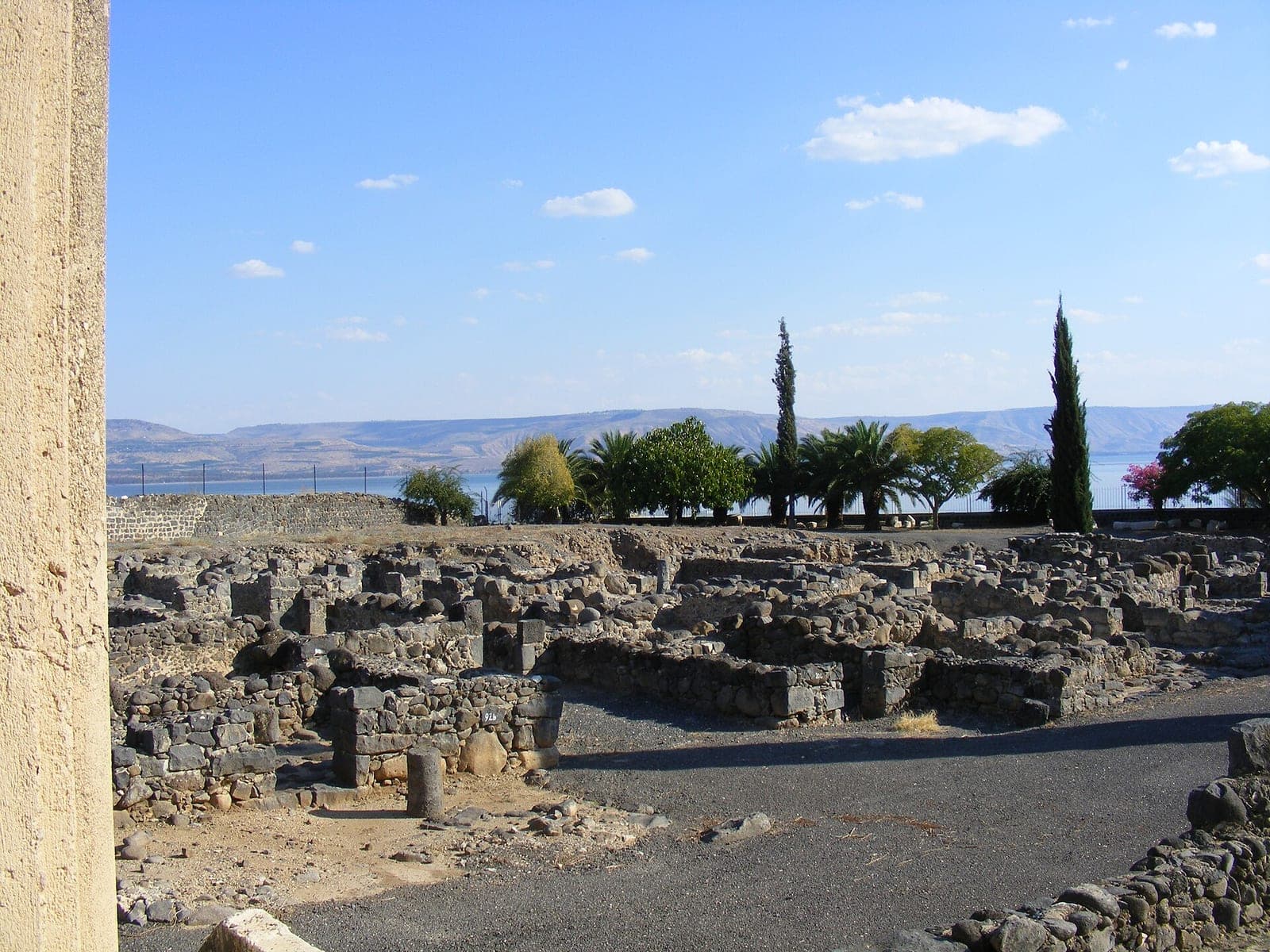
Photo: zeevveez, via Wikimedia Commons. License: CC BY 2.0. Source. Location: Capernaum, on the northern shore of the Sea of Galilee. Resized for the web.
Explore the places of the Bible
See where biblical events happened, why each place matters, and what archaeology helps us understand.
Capernaum
Jesus' home base by the Sea of Galilee, and the town where Peter lived.
Get full access with one subscription
Explore the people and places of the Bible. Read summaries of every book, with images and clear explanations covering every chapter. Access all these features and our Bible study tools with one subscription.
See PlansAsk AI about Romans 8:24
Ask a question about this verse and get a clear answer, with Bible references you can read for yourself.
Every Bible book, explained chapter by chapter
Explore summaries of every book of the Bible, with images and easy-to-understand explanations covering every chapter.
Keep studying Romans 8:24
Related Bible verses
At a Glance — the Book of Romans
- Author
- Paul the apostle
- Written
- Around AD 57
- Genre
- Letter (epistle)
- Original Audience
- Christians in Rome
Frequently Asked Questions
Quick, clear answers about this verse
What does Romans 8:24 mean?
Romans 8:24 highlights that our salvation is rooted in hope, which is a confident expectation of future good. It emphasizes that true hope is for things we cannot see yet, such as eternal life and God's promises.
What is the meaning of hope in Romans 8:24?
In Romans 8:24, hope refers to the assurance and expectation of future blessings that believers look forward to, even if they are not currently visible. It signifies trust in God's promises despite present challenges.
How does Romans 8:24 relate to faith?
Romans 8:24 connects hope and faith by showing that faith involves trusting in what is not yet seen. It reminds believers that their hope in salvation is a future promise that requires faith to believe.
What can we learn from Romans 8:24?
From Romans 8:24, we learn the importance of focusing on God's promises rather than our current struggles. It teaches us to cultivate hope, which can provide strength during difficult times.
Daily Verse — straight to your inbox
A verse and a 2-sentence plain-English explanation, every morning. Free. Unsubscribe anytime.