New Testament
Romans 8:35
Read the Bible in clear, modern English—easy to understand, faithful to the meaning, and written for everyday readers.
Who can separate us from the love of Christ? Can tribulation, or distress, or persecution, or famine, or nakedness, or danger, or the sword?
Compare translations
Who shall separate us from the love of Christ? shall tribulation, or distress, or persecution, or famine, or nakedness, or peril, or sword?
What Romans 8:35 means
Plain-English insight for readers
In Romans 8:35, Paul poses a rhetorical question about what could possibly separate believers from the love of Christ. He lists various hardships such as tribulation, distress, persecution, famine, nakedness, danger, and sword, emphasizing that none of these challenges can sever the bond between Christ and His followers. This verse reassures Christians that despite facing severe trials and suffering, they remain secure in Christ's love. The love of Christ is steadfast and unchanging, providing comfort and hope even in the darkest times. Paul’s message is clear: no external circumstances can diminish the love that Christ has for His people. This assurance encourages believers to endure hardships with faith, knowing that they are never alone and that their relationship with Christ is unbreakable.
How to apply Romans 8:35 to your life
In times of difficulty, remember that nothing can separate you from Christ's love. When facing challenges like persecution or loss, lean on this truth for strength and comfort. Trust that your relationship with Christ remains intact, no matter the circumstances.
Curated for this public verse page. Romans Summary
Explore more of the Bible
Learn the Bible through its people and places
Get to know the people in Scripture through illustrated stories, and explore the places where they lived and traveled.
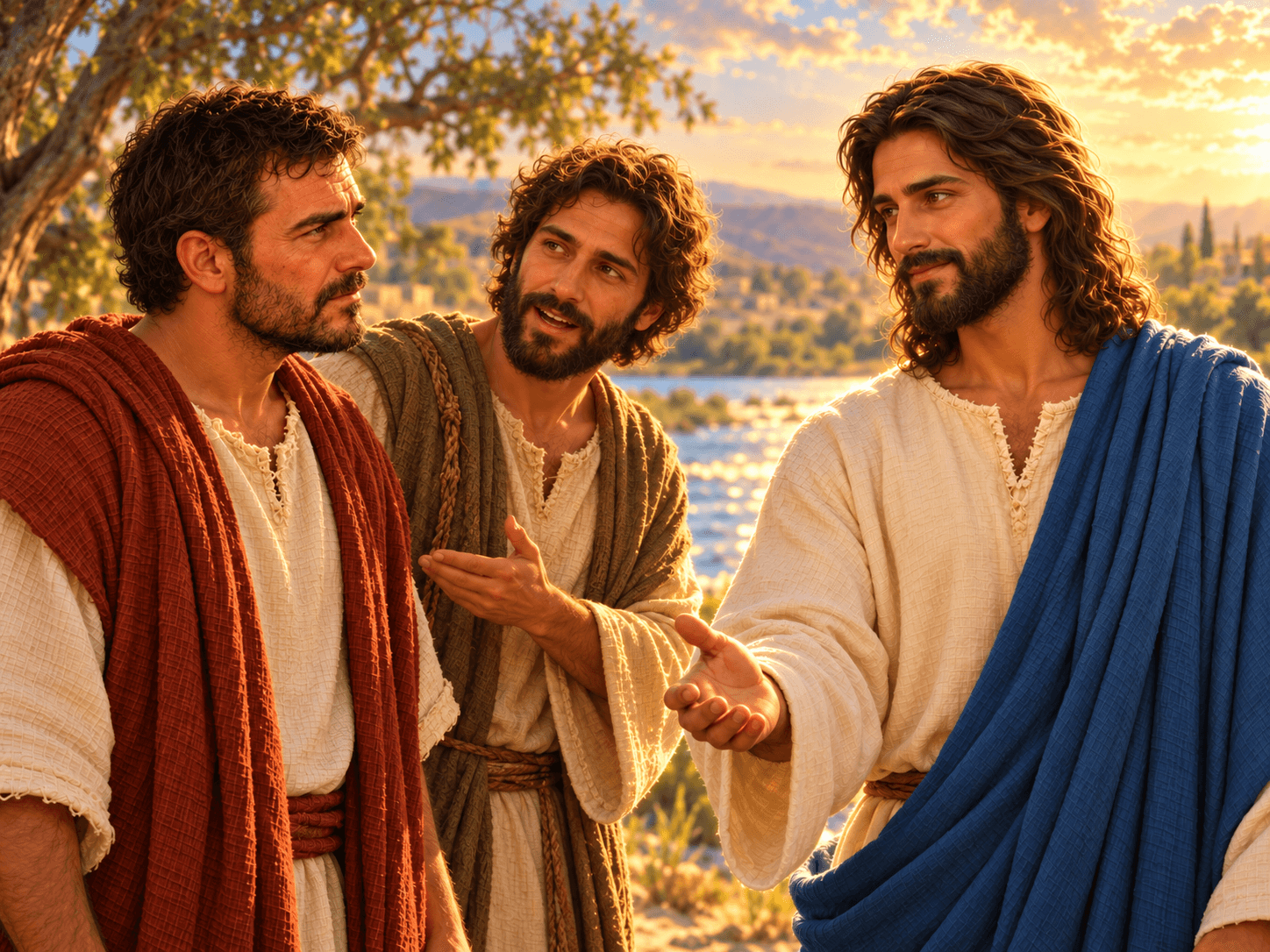
Illustrated scene from Peter's story: Andrew Brings Simon to Jesus (John 1:40–42)
Meet the people of the Bible
Follow their lives in order, with illustrated scenes and Bible passages that tell their stories.
 Peter
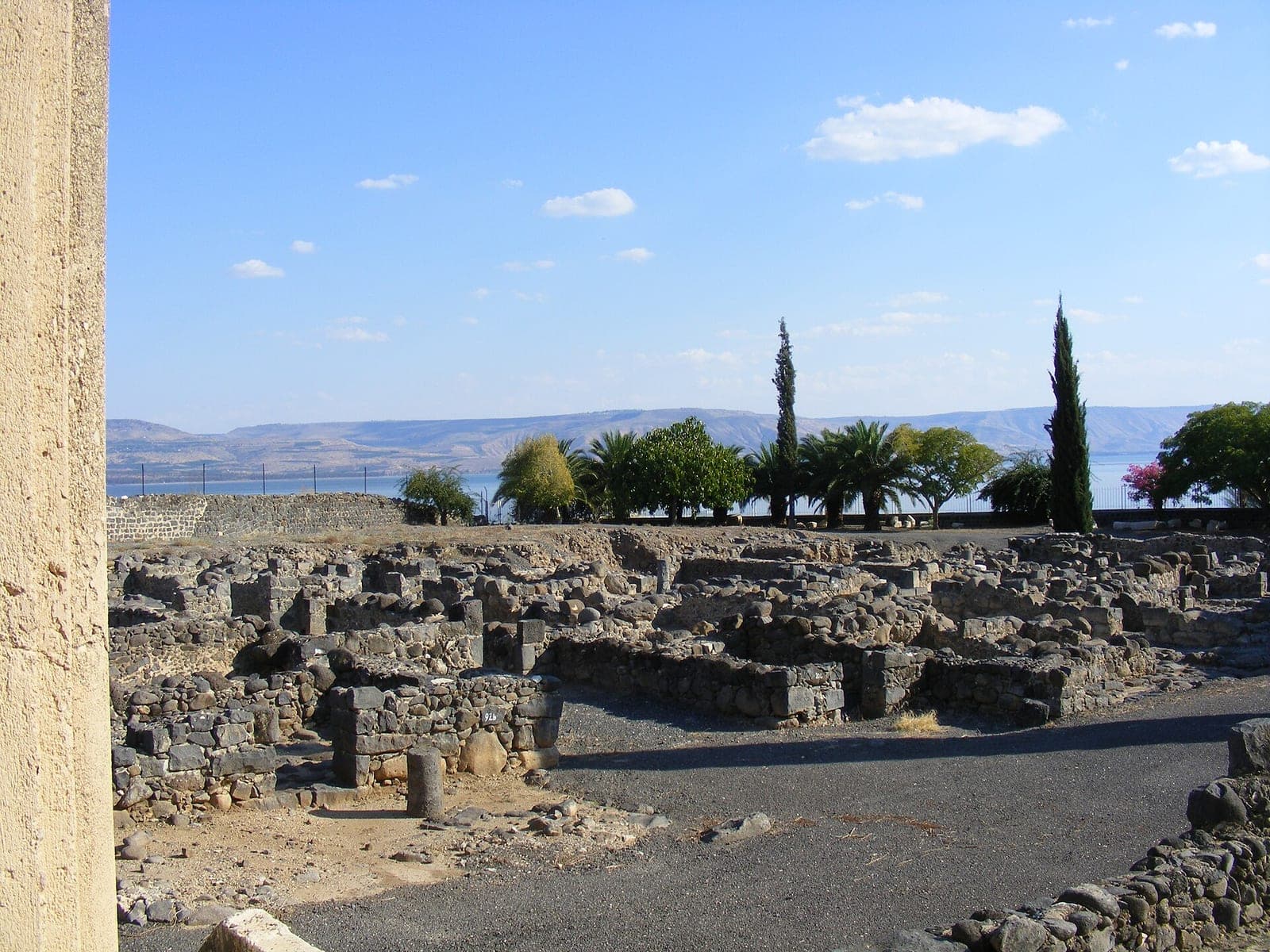
Photo: zeevveez, via Wikimedia Commons. License: CC BY 2.0. Source. Location: Capernaum, on the northern shore of the Sea of Galilee. Resized for the web.
Explore the places of the Bible
See where biblical events happened, why each place matters, and what archaeology helps us understand.
Capernaum
Jesus' home base by the Sea of Galilee, and the town where Peter lived.
Get full access with one subscription
Explore the people and places of the Bible. Read summaries of every book, with images and clear explanations covering every chapter. Access all these features and our Bible study tools with one subscription.
See PlansAsk AI about Romans 8:35
Ask a question about this verse and get a clear answer, with Bible references you can read for yourself.
Fuller verse explanations
Explore what a verse means, what was happening around it, and how it connects to other Bible passages.
Plain Meaning
Paul asks a question he expects no one can answer: what could ever cut believers off from Christ's love? He then lists seven real and painful things — suffering, tight circumstances, being hunted for faith, hunger, having no clothing, danger, and violent death. The list is not random. These are the hardest things life can throw at a person. Paul is asking whether any of them can do it.
Read It in Context
Paul has just argued that God is for believers, that Christ died and rose and now speaks for them before God. This verse continues that line of thought by asking what force could undo all of that. The next two verses answer the question: none of these things can separate believers from Christ's love.
The full Clear view adds what to notice, common misreadings, and the passage that best explains this one — for Romans 8:35 and any verse in the Bible.
Every Bible book, explained chapter by chapter
Explore summaries of every book of the Bible, with images and easy-to-understand explanations covering every chapter.
Keep studying Romans 8:35
Related Bible verses
Key themes
Related topics
At a Glance — the Book of Romans
- Author
- Paul the apostle
- Written
- Around AD 57
- Genre
- Letter (epistle)
- Original Audience
- Christians in Rome
Frequently Asked Questions
Quick, clear answers about this verse
What does Romans 8:35 mean about separation from Christ's love?
Romans 8:35 emphasizes that no external circumstances, such as tribulation, distress, or persecution, can sever the bond between believers and the love of Christ. Paul reassures Christians that regardless of the hardships they face, their relationship with Christ remains secure and unbreakable. This verse serves as a reminder that Christ's love is steadfast, providing comfort and hope even in the most challenging times.
How can I apply Romans 8:35 in my life?
To apply Romans 8:35 in your life, remind yourself during tough times that nothing can separate you from Christ's love. When facing challenges like loss or persecution, lean on this truth for strength and comfort. Trust that your relationship with Christ is intact, and use this assurance to endure hardships with faith, knowing you are never alone.
What hardships are mentioned in Romans 8:35?
In Romans 8:35, Paul lists several hardships that believers might face, including tribulation, distress, persecution, famine, nakedness, danger, and the sword. These examples illustrate the various trials that can occur in life, yet Paul emphasizes that none of these can separate believers from the love of Christ, reinforcing the idea of security in their faith.
Why is the love of Christ important in difficult times?
The love of Christ is crucial during difficult times because it provides believers with a sense of security and hope. Romans 8:35 reassures Christians that no matter the trials they encounter, they are enveloped in Christ's unwavering love. This assurance helps them endure suffering, knowing they are supported and never abandoned, which can be a source of immense strength and comfort.
Daily Verse — straight to your inbox
A verse and a 2-sentence plain-English explanation, every morning. Free. Unsubscribe anytime.