What Does Numbers 23:19 Mean?
Numbers 23:19 meaning: what it means that God cannot lie or change His mind like humans do
Historical and Literary Context
Moses recorded this account during Israel's wilderness wanderings, approximately 1440-1400 BC, as they prepared to enter the Promised Land.
God's divine nature stands in absolute contrast to human weakness and inconsistency. While humans lie to protect themselves or gain advantage, and while they change their minds when new information emerges or circumstances shift, God operates from perfect knowledge and unchanging character. His promises carry the weight of divine immutability—what He declares will unfailingly come to pass because His word flows from His eternal, perfect nature.
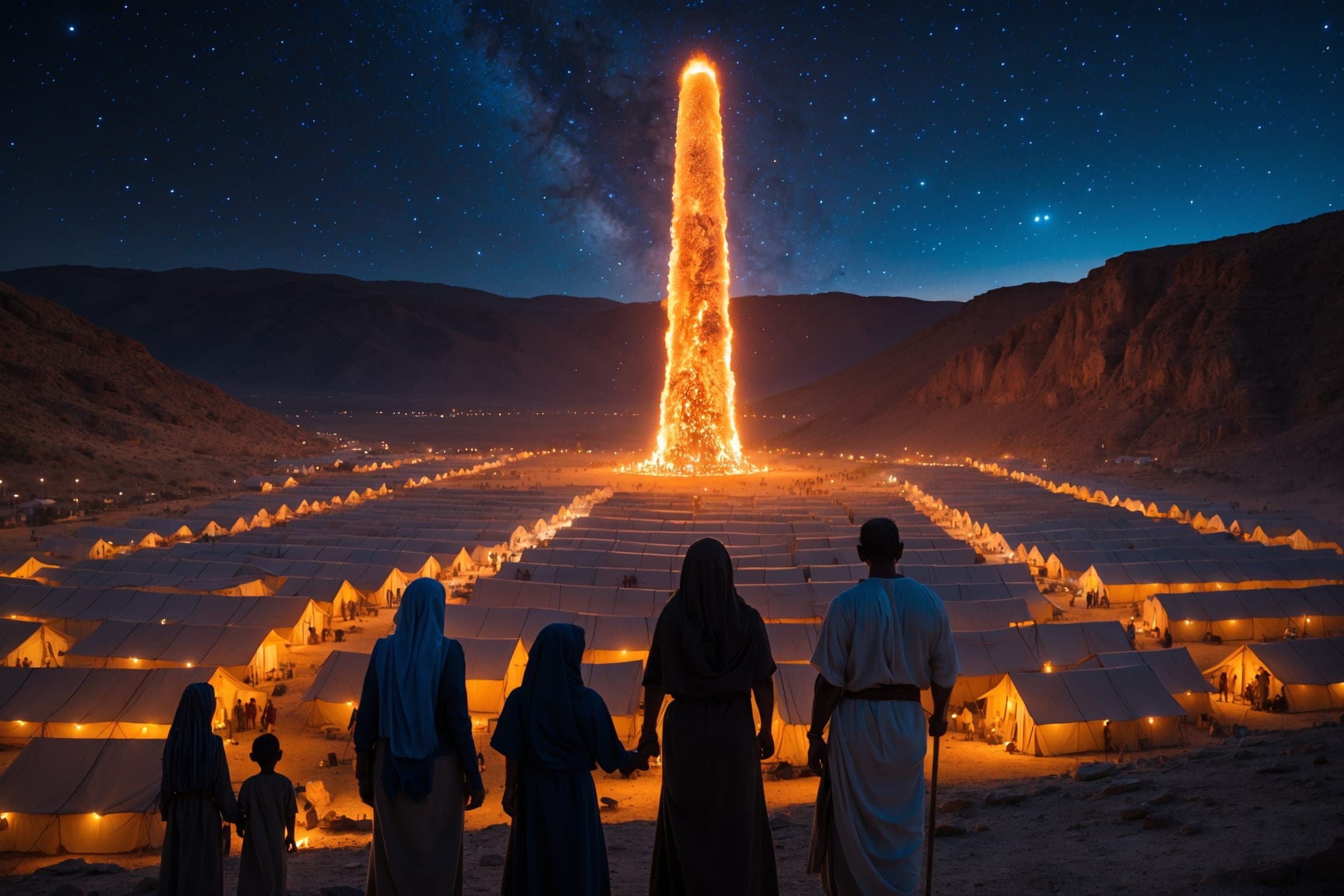
Balaam speaks these words while standing on a mountaintop overlooking Israel's camp, hired by King Balak to curse God's people but finding himself unable to do anything but bless them. The prophet has just delivered his second oracle blessing Israel, and Balak angrily demands to know why Balaam won't curse them as promised. Balaam explains that he cannot contradict what God has determined—Israel's blessing flows from divine covenant promises that cannot be revoked.
Read the full chapter: Numbers 23 →
Clear Bible Translation
Modern EnglishGod is not a man, that he should lie, nor a human being, that he should repent. Has he ever spoken and not acted? Has he ever promised and not fulfilled it?
King James Version
God is not a man, that he should lie; neither the son of man, that he should repent: hath he said, and shall he not do it? or hath he spoken, and shall he not make it good?
Living This Out
When circumstances make God's promises seem impossible or delayed, this declaration anchors faith in His unchanging character rather than shifting circumstances. Unlike human promises that crumble under pressure, divine commitments remain as solid as God's own nature.
Connected Passages
- Jeremiah 29:11 →Connects divine immutability with divine sovereignty
- Romans 8:28 →Connects divine immutability with providence
- Joshua 1:9 →Connects divine immutability with divine courage
- 2 Timothy 3:16 →Connects divine immutability with biblical authority
The Book of Numbers
Numbers 1: First Census and Tribal Leaders
The LORD speaks to Moses and Aaron in the wilderness of Sinai and orders a count of the men of Israel who are twenty years old and able to go to war. A leader from each tribe stands with them: Elizur for Reuben, Shelumiel for Simeon, Nahshon for Judah, Nethaneel for Issachar, Eliab for Zebulun, Elishama for Ephraim, Gamaliel for Manasseh, Abidan for Benjamin, Ahiezer for Dan, Pagiel for Asher, and Ahira for Naphtali. The totals are recorded by tribe, and the combined number of fighting men is six hundred three thousand five hundred fifty.
Unlock the full Numbers summary
Continue reading every chapter — themes, structure, and turning points.
The complete summary of Numbers — a chapter-by-chapter breakdown covering all 36 chapters.
What you get
Every chapter of Numbers summarized in clear, modern English
How each section connects — narrative flow, key themes, and turning points
Permanent access — read anytime, on any device
All 66 book summaries • unlimited AI tools • $99/year after trial
ClearBible summaries are proprietary content and may not be copied, republished, or resold.
Reader Questions
- What is the historical background of Numbers 23:19?
- Moses recorded this account during Israel's wilderness wanderings, approximately 1440-1400 BC, as they prepared to enter the Promised Land.
- What is the main theme of Numbers 23:19?
- The primary theme is divine immutability. Related themes include covenant faithfulness and divine promises and trustworthiness.
- Where is Numbers 23:19 in the Bible?
- Numbers, chapter 23, verse 19. Read Numbers 23 →
Daily Verse — straight to your inbox
A verse and a 2-sentence plain-English explanation, every morning. Free. Unsubscribe anytime.