What Does Philippians 3:20 Mean?
Philippians 3:20 meaning: what does it mean that our citizenship is in heaven and how should this affect how Christians live
Clear Bible Translation
Modern EnglishBut our citizenship is in heaven, and we eagerly wait for a Savior from there — the Lord Jesus Christ.
King James Version
For our conversation is in heaven; from whence also we look for the Saviour, the Lord Jesus Christ:
Language, Structure, and Intent
Paul declares that Christians possess a citizenship that transcends earthly nationality—their true commonwealth exists in heaven. The Greek word *politeia* carries the full weight of civic identity, rights, and allegiance that defines who we fundamentally are. While believers physically dwell on earth, their ultimate loyalty, values, and identity derive from God's kingdom rather than any human government or culture. This heavenly citizenship shapes how Christians live now, as they await Christ's return when He will transform their mortal bodies to match His glorified state. The expectation of Christ as Savior here emphasizes not just past redemption but future consummation—He comes to complete what He began. This dual reality creates a holy tension: fully engaged in earthly responsibilities yet never fully at home in worldly systems.
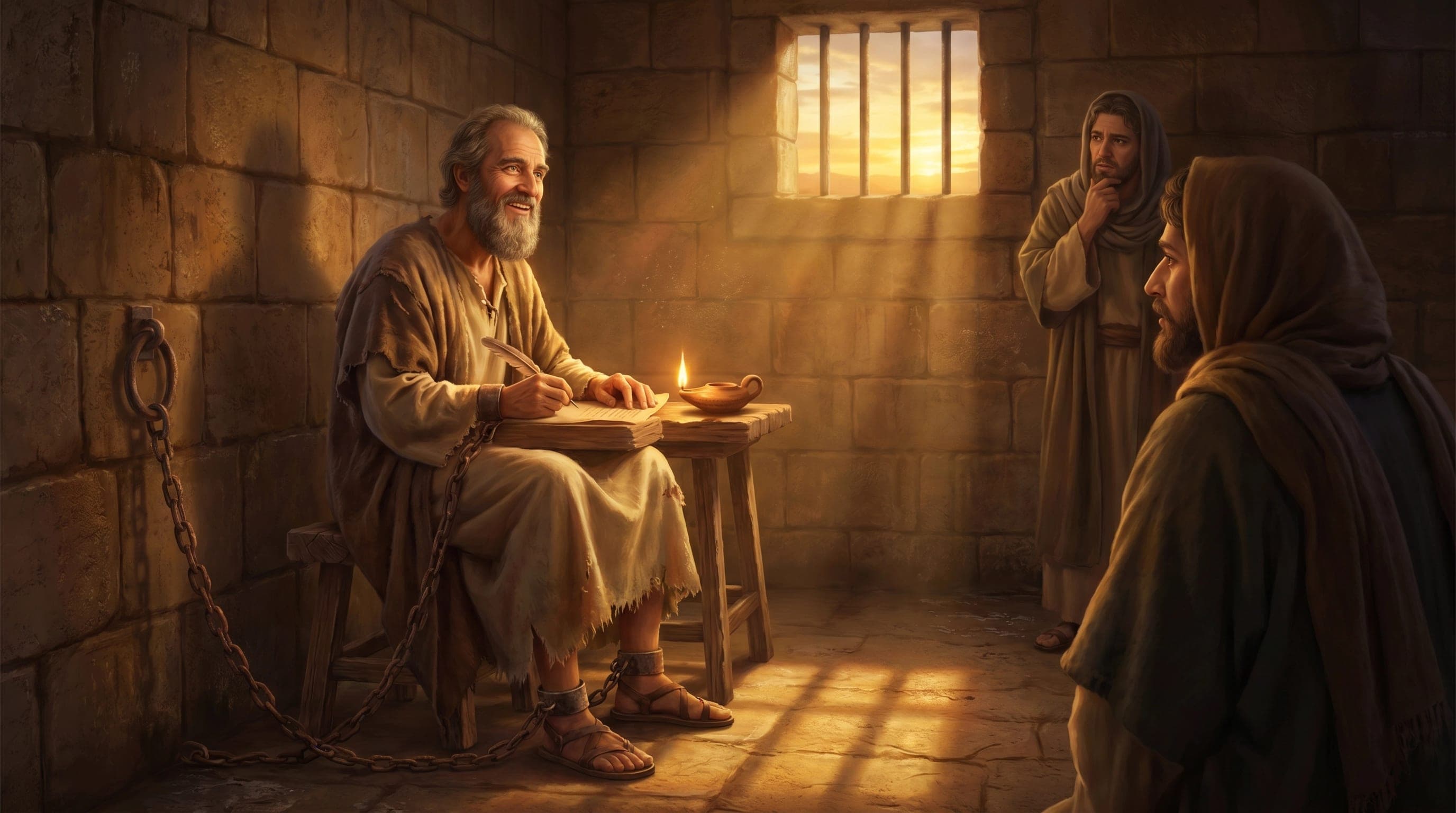
Paul wrote from Roman imprisonment around AD 60-62 to believers in Philippi, a Roman colony whose citizens took pride in their Roman citizenship and privileges.
Paul contrasts true Christian identity with false teachers who live as 'enemies of the cross' (verse 18). He has just warned against those whose god is their belly and whose glory is in their shame, people who set their minds on earthly things. This heavenly citizenship serves as the positive counterpoint to such earthbound thinking. Paul prepares to transition into practical instructions about unity and joy that flow from this eternal perspective.
Read the full chapter: Philippians 3 →
Present-Day Relevance
Christians today must evaluate their deepest loyalties—do political parties, national identities, or cultural movements command the allegiance that belongs to Christ's kingdom? When earthly systems disappoint or oppress, believers find stability in knowing their true home lies beyond any human institution.
Connected Passages
- Romans 12:2 →Connects heavenly citizenship with transformation
- John 14:6 →Connects heavenly citizenship with exclusive salvation
- Ephesians 2:8 →Connects heavenly citizenship with grace
Reader Questions
- What is the historical background of Philippians 3:20?
- Paul wrote from Roman imprisonment around AD 60-62 to believers in Philippi, a Roman colony whose citizens took pride in their Roman citizenship and privileges.
- What is the main theme of Philippians 3:20?
- The primary theme is heavenly citizenship. Related themes include eternal perspective and christian identity.
- Where is Philippians 3:20 in the Bible?
- Philippians, chapter 3, verse 20. Read Philippians 3 →
Daily Verse — straight to your inbox
A verse and a 2-sentence plain-English explanation, every morning. Free. Unsubscribe anytime.