What Does Psalms 23:1 Mean?
Psalms 23:1 meaning: what it means that God is our shepherd and we shall not want
Clear Bible Translation
Modern EnglishThe LORD is my shepherd; I have everything I need.
King James Version
The LORD is my shepherd; I shall not want.
Explanation and Context
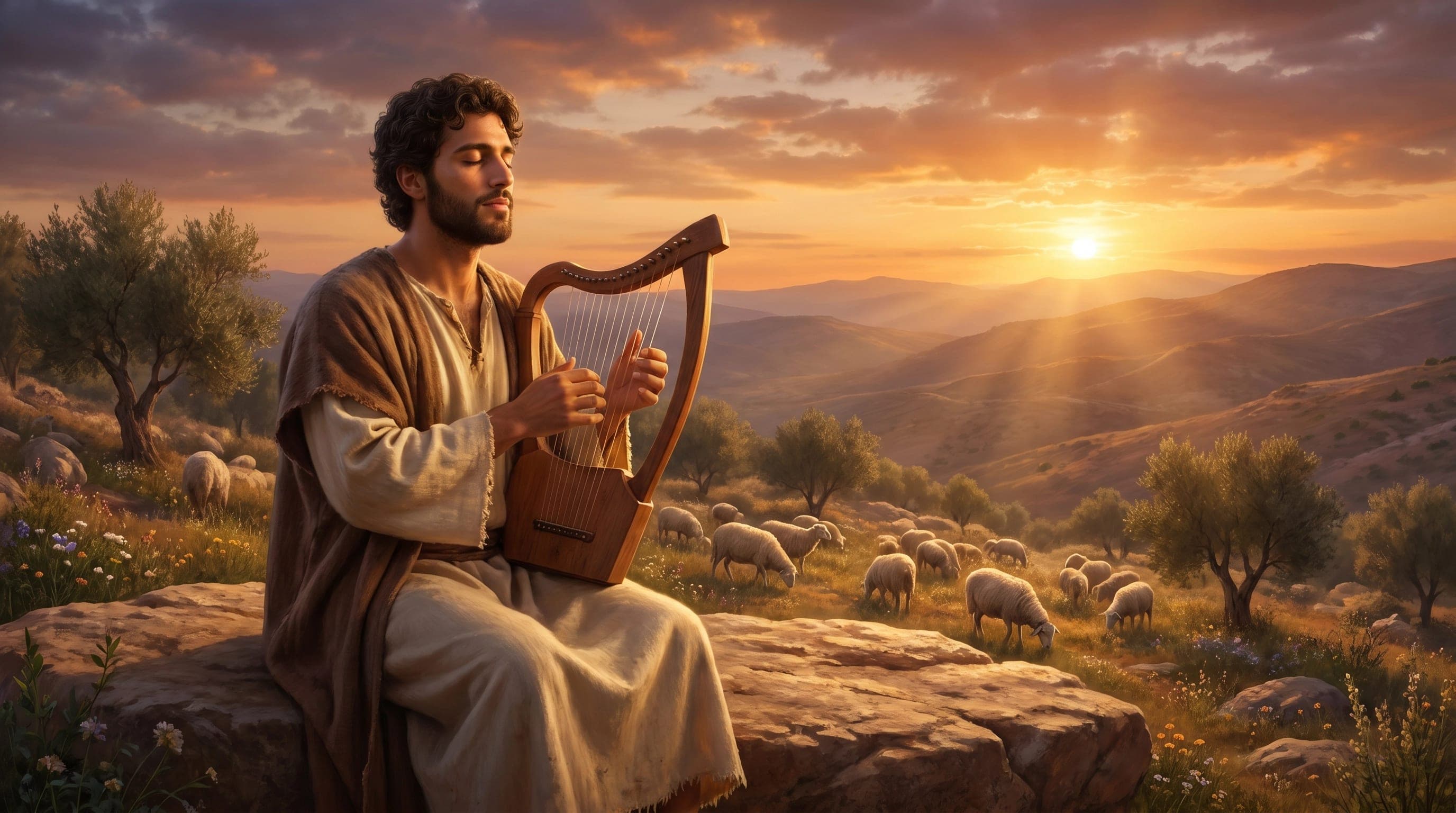
David declares absolute confidence in divine provision through the most intimate metaphor ancient Israel knew. The Hebrew word ro'i carries profound depth—this is not a hired hand but the personal shepherd who knows each sheep individually, who sleeps among the flock and would die defending them. When David proclaims 'I shall not want,' the Hebrew lo' echsar means far more than having basic needs met; it speaks to a completeness that transcends material provision. The verb tense indicates ongoing reality: 'I am not lacking, I will not lack.' This opening declaration establishes the entire psalm's foundation—not wishful thinking about God's care, but settled conviction born from lived experience. David had literally been a shepherd in Bethlehem's fields, understanding both the vulnerability of sheep and the total devotion required of their protector. The covenant name Yahweh (LORD) emphasizes that this shepherd-relationship flows from God's unchanging character, not human worthiness. Here lies radical trust: the former shepherd-boy stakes his entire existence on divine faithfulness.
King David composed this psalm drawing from his youth as a shepherd in Bethlehem and his experience of God's protection throughout his tumultuous rise to Israel's throne. Written likely during his reign (approximately 1000-960 BCE), it reflects mature faith tested through wilderness years, royal court intrigue, and military campaigns.
This opening verse launches the Bible's most beloved psalm, immediately establishing the shepherd-sheep metaphor that carries through verse four before shifting to host-guest imagery. David structures the entire composition around personal pronouns—'my shepherd,' 'I shall not want'—creating intimate, conversational tone with God. The psalm moves from declaration (verses 1-3) through testing (verse 4) to celebration (verses 5-6), but everything hinges on this foundational statement of trust. Archaeological discoveries reveal that Ancient Near Eastern kings often portrayed themselves as shepherds of their people, making David's reversal—presenting himself as sheep under the divine Shepherd—remarkably humble for a monarch.
In a culture obsessed with self-sufficiency and accumulation, this verse confronts our deepest anxieties about security and provision. It calls believers to examine whether we truly trust God's shepherding or frantically scramble to shepherd ourselves through control and acquisition.
Read the full chapter: Psalms 23 →
Connected Passages
- Psalms 23:4 →Connects divine provision with divine presence
- Philippians 4:13 →Connects divine provision with divine strength
- Matthew 11:28 →Connects divine provision with divine rest
- 1 Peter 5:7 →Connects divine provision with divine care
Reader Questions
- What is the historical background of Psalms 23:1?
- King David composed this psalm drawing from his youth as a shepherd in Bethlehem and his experience of God's protection throughout his tumultuous rise to Israel's throne. Written likely during his reign (approximately 1000-960 BCE), it reflects mature faith tested through wilderness years, royal court intrigue, and military campaigns.
- What is the main theme of Psalms 23:1?
- The primary theme is divine provision. Related themes include trust and security and relationship.
- Where is Psalms 23:1 in the Bible?
- Psalms, chapter 23, verse 1. Read Psalms 23 →
Daily Verse — straight to your inbox
A verse and a 2-sentence plain-English explanation, every morning. Free. Unsubscribe anytime.