Old Testament
1 Chronicles 6:5
Read the Bible in clear, modern English—easy to understand, faithful to the meaning, and written for everyday readers.
Abishua was the father of Bukki, and Bukki was the father of Uzzi.
Compare translations
And Abishua begat Bukki, and Bukki begat Uzzi,
What 1 Chronicles 6:5 means
Plain-English insight for readers
In this verse, we see a simple family lineage that connects three generations: Abishua, Bukki, and Uzzi. This genealogy highlights the importance of family and heritage in the context of the Israelite community. Each name represents a person with a unique story and contribution to their society. While the verse may seem straightforward, it serves as a reminder that every individual plays a role in the larger narrative of their family and culture. Understanding our roots can help us appreciate our identity and the values passed down through generations. This lineage also emphasizes continuity and the significance of maintaining traditions. It invites us to reflect on our own family histories and the legacies we inherit and create. Ultimately, these names remind us that we are part of something bigger than ourselves, and our lives are interconnected with those who came before us and those who will come after us. Recognizing this connection can inspire us to live meaningfully and honor our heritage.
How to apply 1 Chronicles 6:5 to your life
Consider your own family history and the stories that shape who you are today. Reflect on the values and traditions passed down to you. How can you honor your heritage while also creating a positive legacy for future generations? Embrace your identity and the connections that bind you to your family and community. Live in a way that respects your roots and inspires others to do the same.
Curated for this public verse page. 1 Chronicles Summary
Explore more of the Bible
Learn the Bible through its people and places
Get to know the people in Scripture through illustrated stories, and explore the places where they lived and traveled.

Illustrated scene from Noah's story: Noah Is Born (Genesis 5:28–32)
Meet the people of the Bible
Follow their lives in order, with illustrated scenes and Bible passages that tell their stories.
 Noah
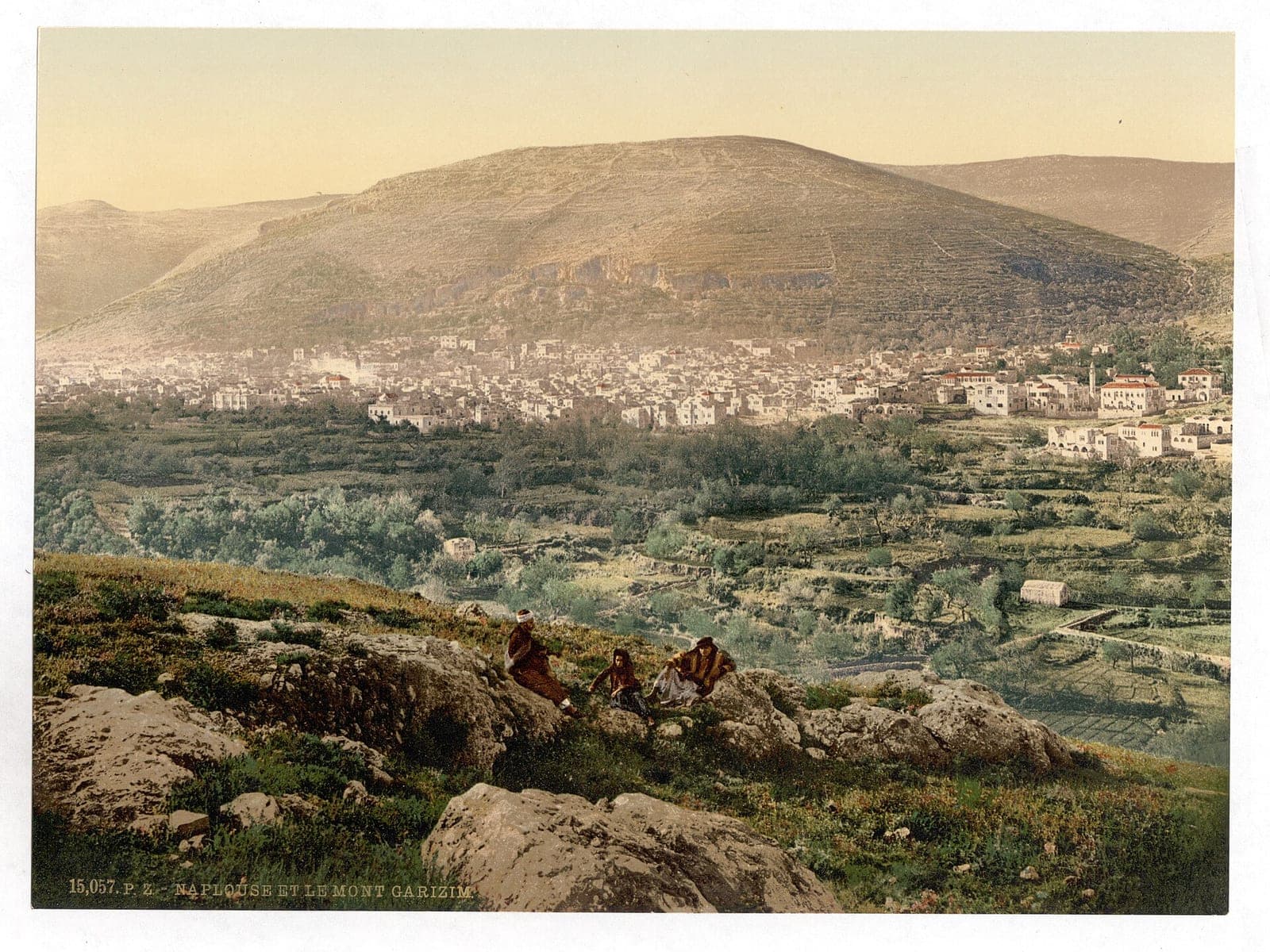
Photo: Photochrom print, Library of Congress Prints and Photographs Division (LCCN 2002725043). License: Public domain in the United States; Library of Congress states no known restrictions on publication. Source. Location: Nablus and Mount Gerizim, West Bank; print preserved by the Library of Congress. Resized for the web.
Explore the places of the Bible
See where biblical events happened, why each place matters, and what archaeology helps us understand.
Shechem
Where God promised the land to Abram, and where Joshua led Israel to renew the covenant.
Get full access with one subscription
Explore the people and places of the Bible. Read summaries of every book, with images and clear explanations covering every chapter. Access all these features and our Bible study tools with one subscription.
See PlansAsk AI about 1 Chronicles 6:5
Ask a question about this verse and get a clear answer, with Bible references you can read for yourself.
Every Bible book, explained chapter by chapter
Explore summaries of every book of the Bible, with images and easy-to-understand explanations covering every chapter.
Keep studying 1 Chronicles 6:5
Related Bible verses
At a Glance — the Book of 1 Chronicles
- Author
- Traditionally attributed to Ezra
- Written
- Around 430 BC
- Genre
- Historical narrative
- Original Audience
- Post-exilic Jews
Frequently Asked Questions
Quick, clear answers about this verse
What does 1 Chronicles 6:5 mean?
1 Chronicles 6:5 outlines a genealogy, specifically mentioning Abishua, Bukki, and Uzzi. This verse emphasizes the importance of family lineage and heritage in the Israelite community.
What is the significance of Abishua in 1 Chronicles 6:5?
Abishua is significant as he is the starting point of this genealogy, linking the lineage of priests in Israel. His mention highlights the continuity of family lines and their roles in society.
Who are Bukki and Uzzi in 1 Chronicles 6:5?
Bukki and Uzzi are the descendants of Abishua mentioned in this verse. Their inclusion in the genealogy signifies their roles in the family lineage and the broader narrative of Israel's history.
How does 1 Chronicles 6:5 relate to family heritage?
1 Chronicles 6:5 relates to family heritage by illustrating the importance of lineage and the connections between generations. It encourages reflection on one's own family history and the values passed down through time.
Daily Verse — straight to your inbox
A verse and a 2-sentence plain-English explanation, every morning. Free. Unsubscribe anytime.